In late October, my friend and I took a trip to Miyako Island in Okinawa. I did everything I could to avoid typhoon season—I checked years of weather records and even asked my colleague Ben, who lived in Okinawa for years. But this October had a mind of its own.
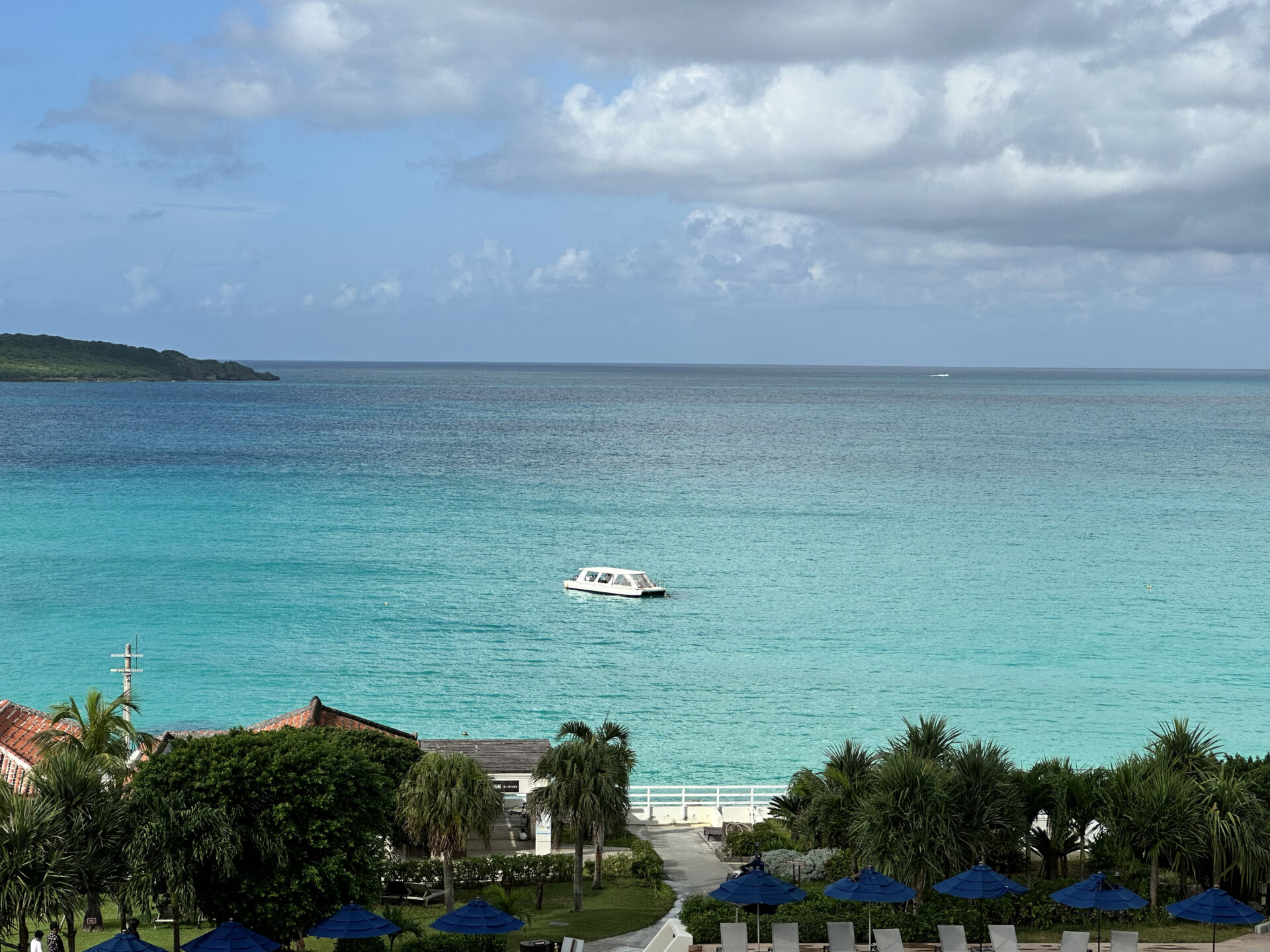
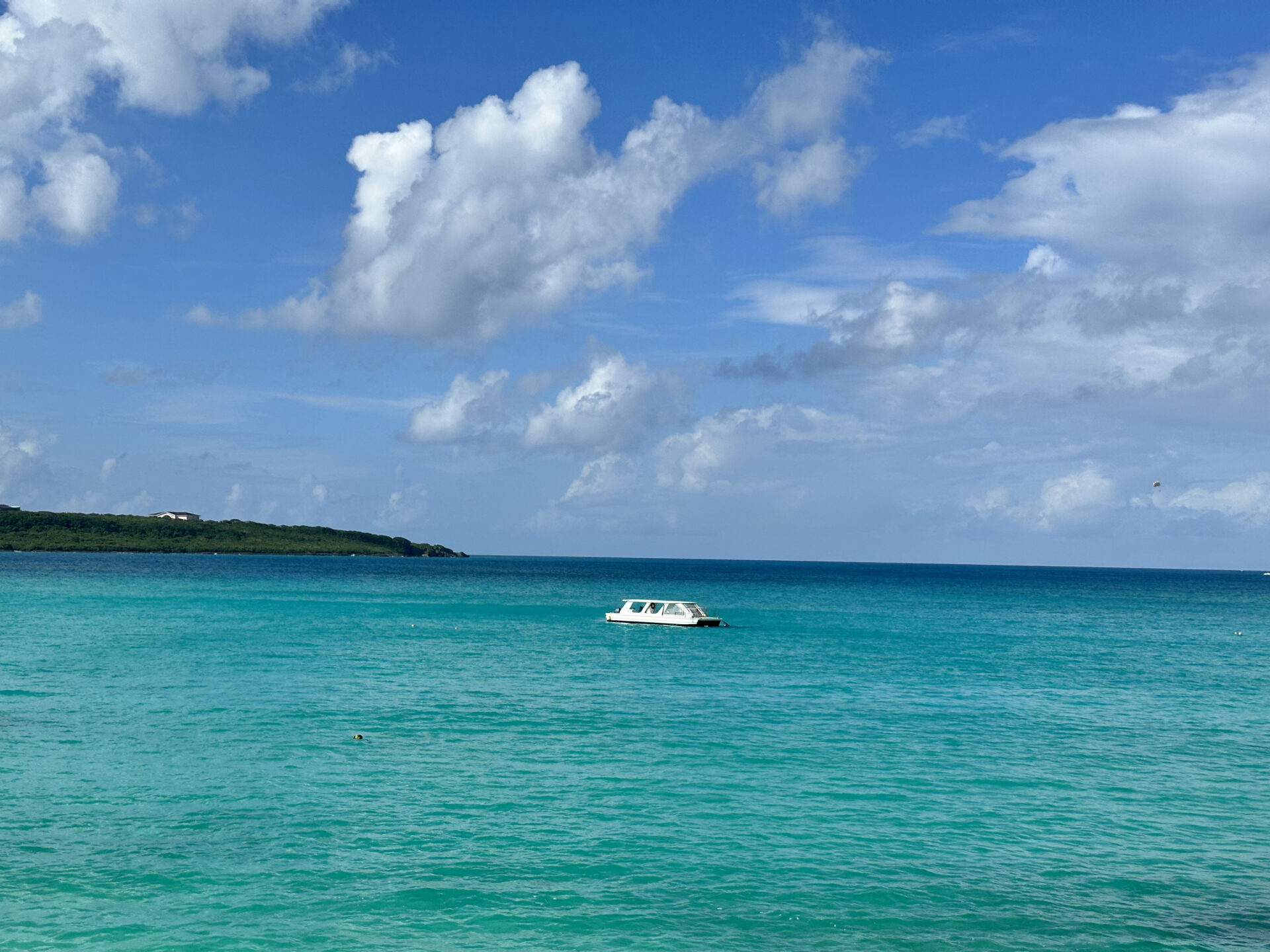
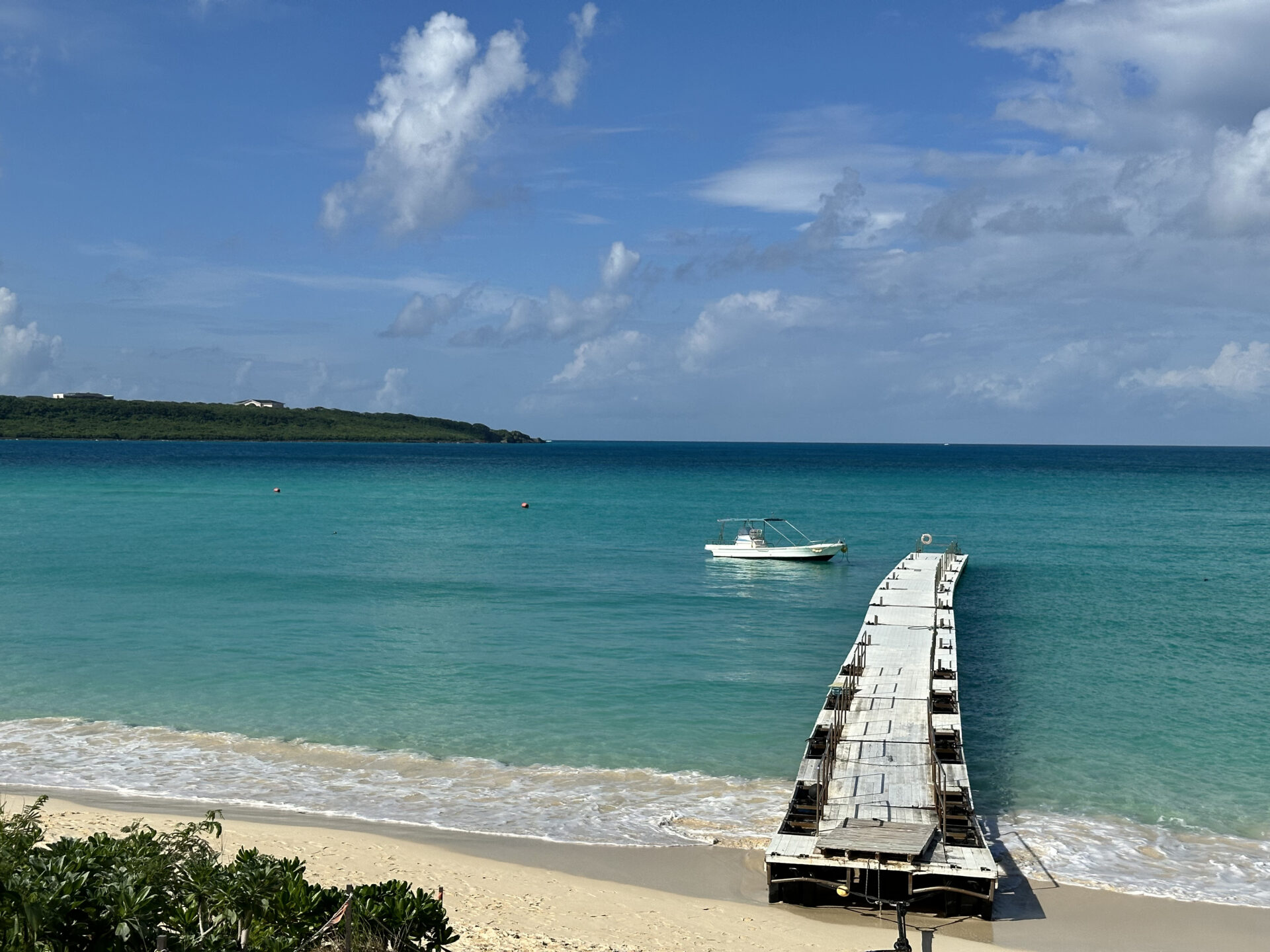
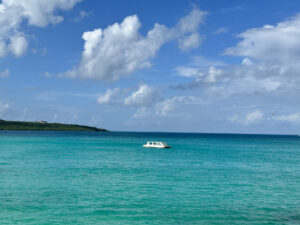
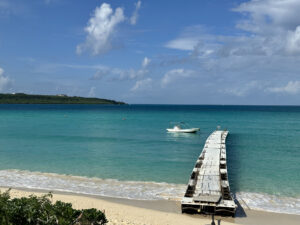
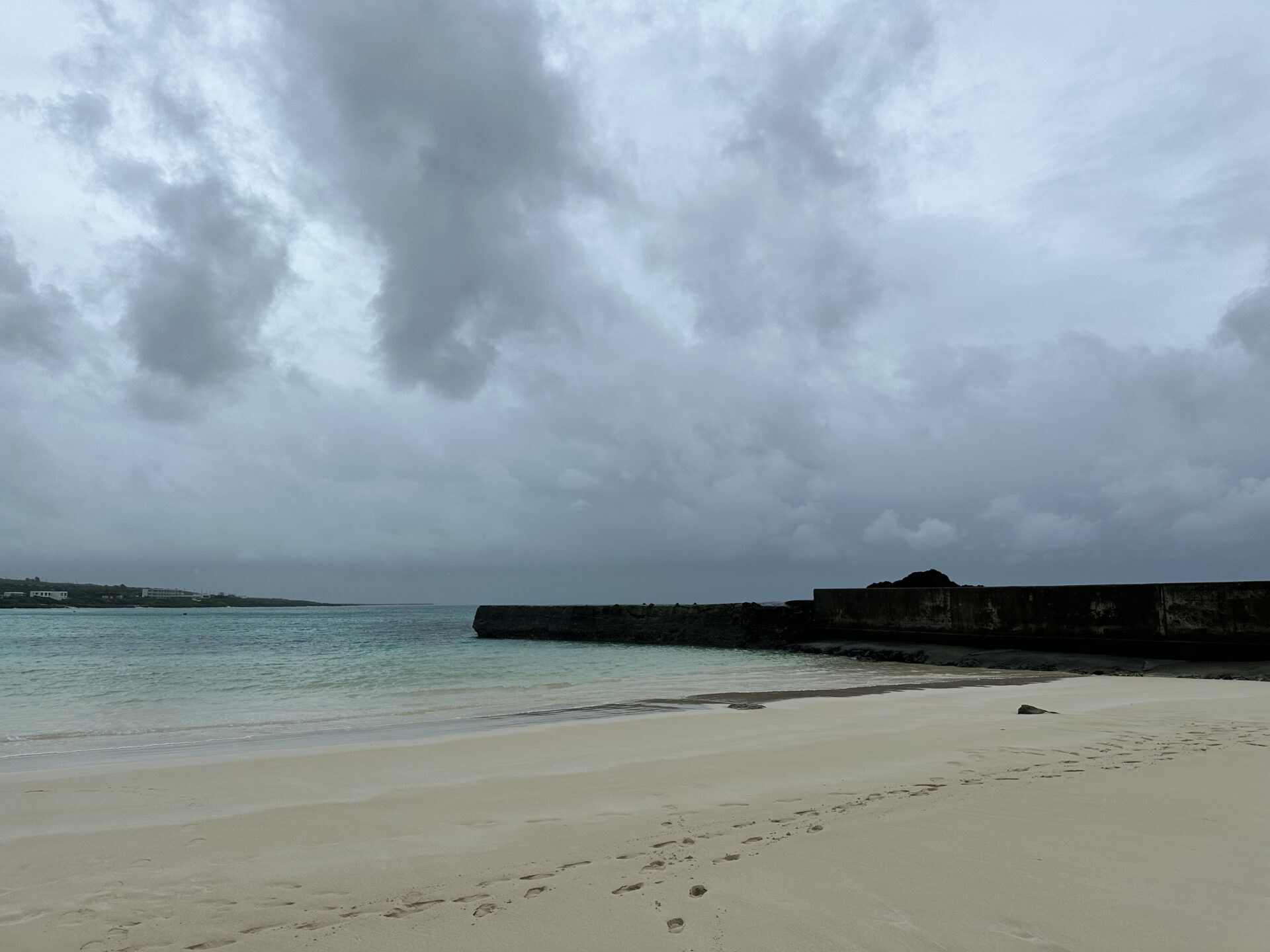
We were greeted by four straight days of rain and strong winds, with only half a day of sunshine on our final morning—and that “Miyako Blue” we’d been dreaming of.
“Even typhoon days have their own charm!” I said, trying my hardest to remain optimistic. Because really—who doesn’t want perfect sunshine on a beach vacation? But once we accepted the weather for what it was, we started looking for new ways to enjoy the island.
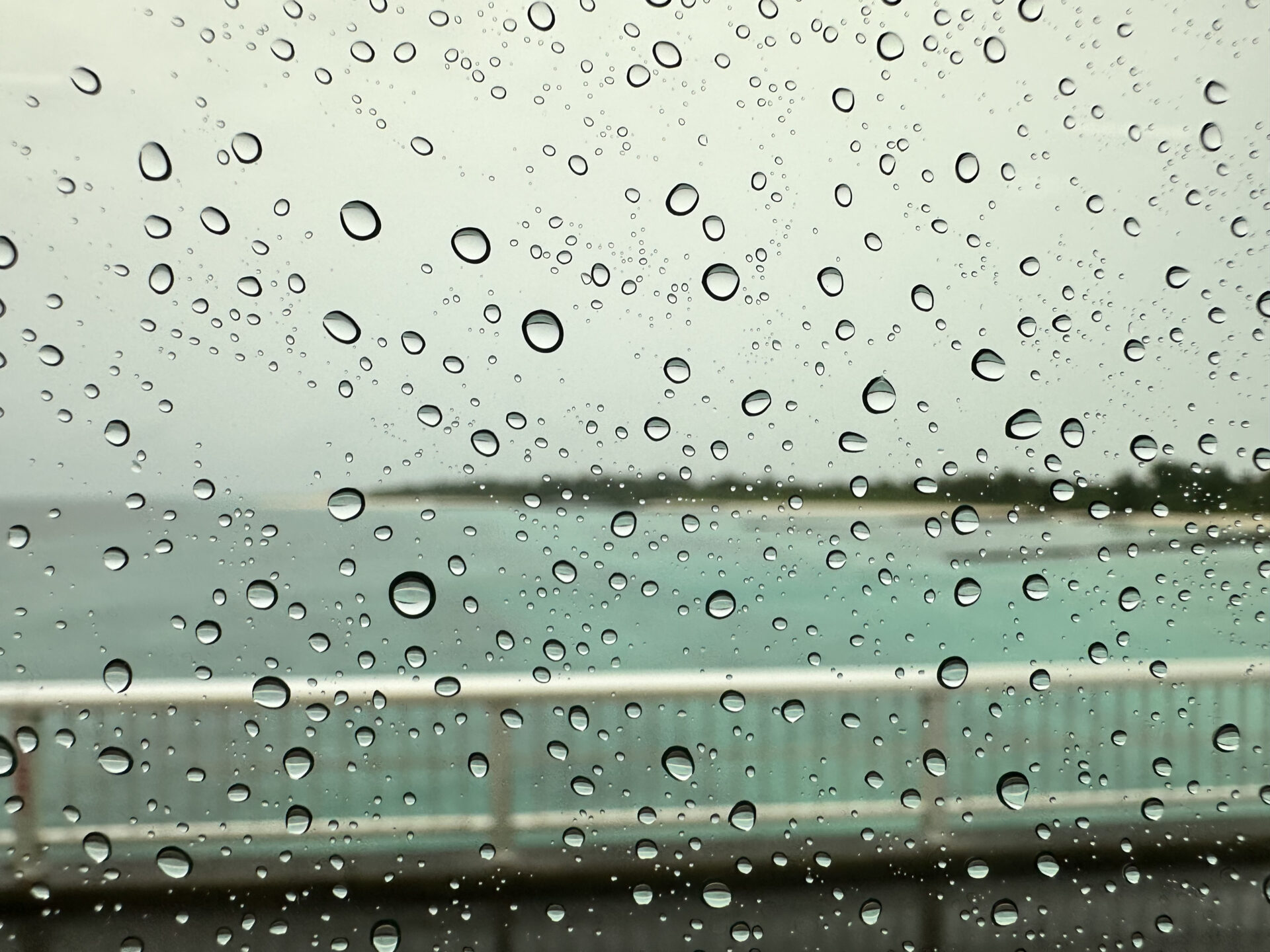
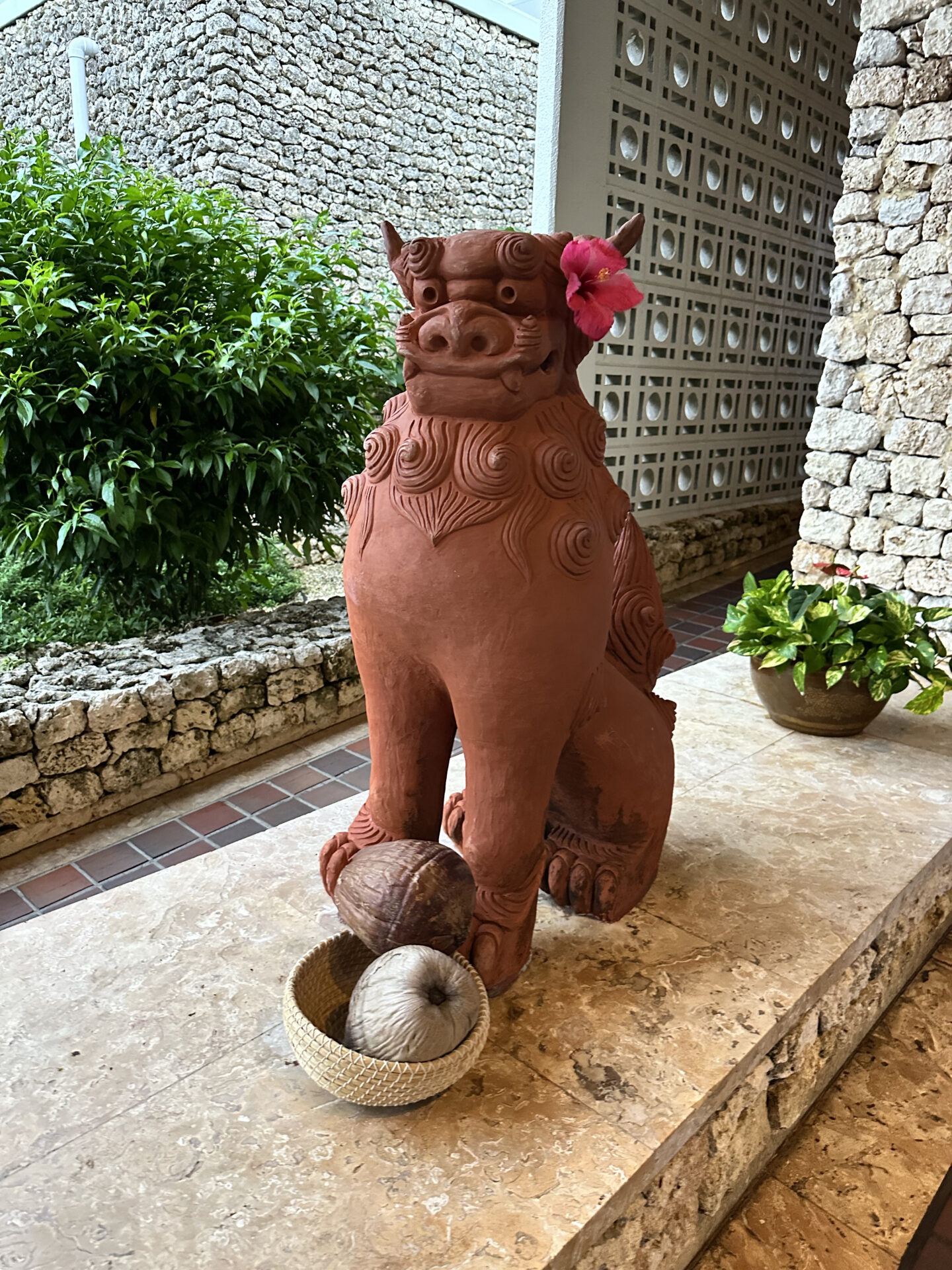
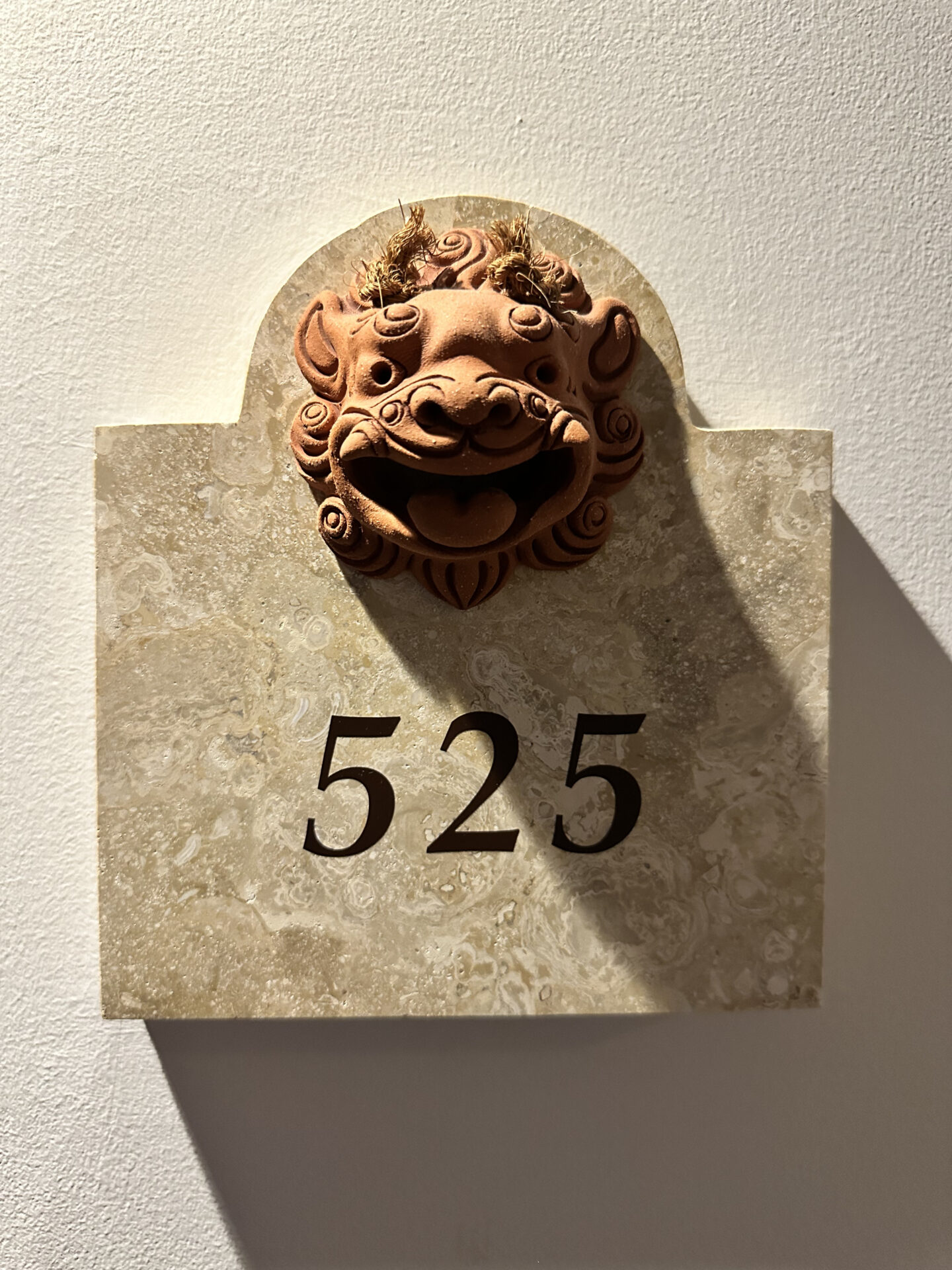
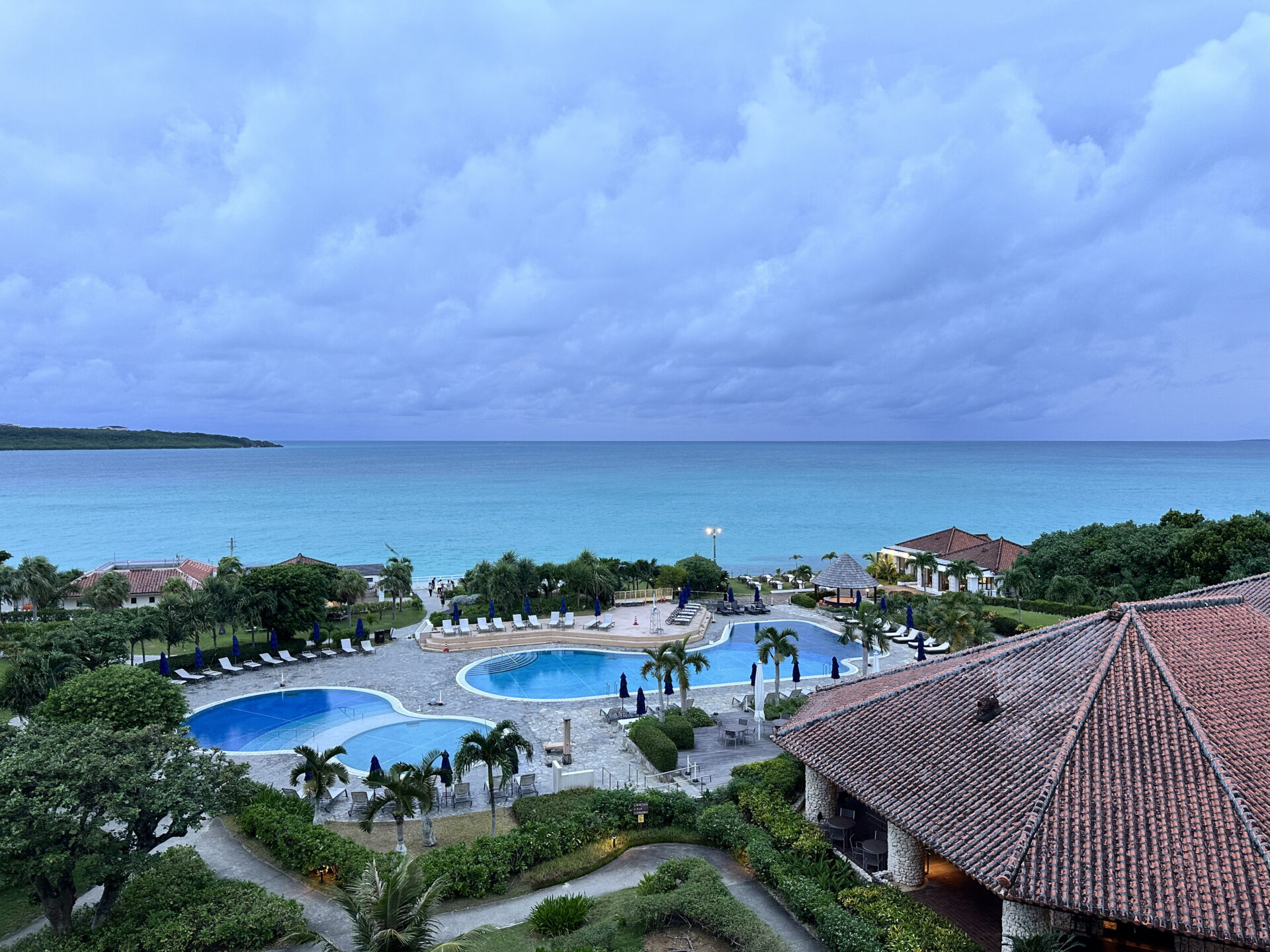
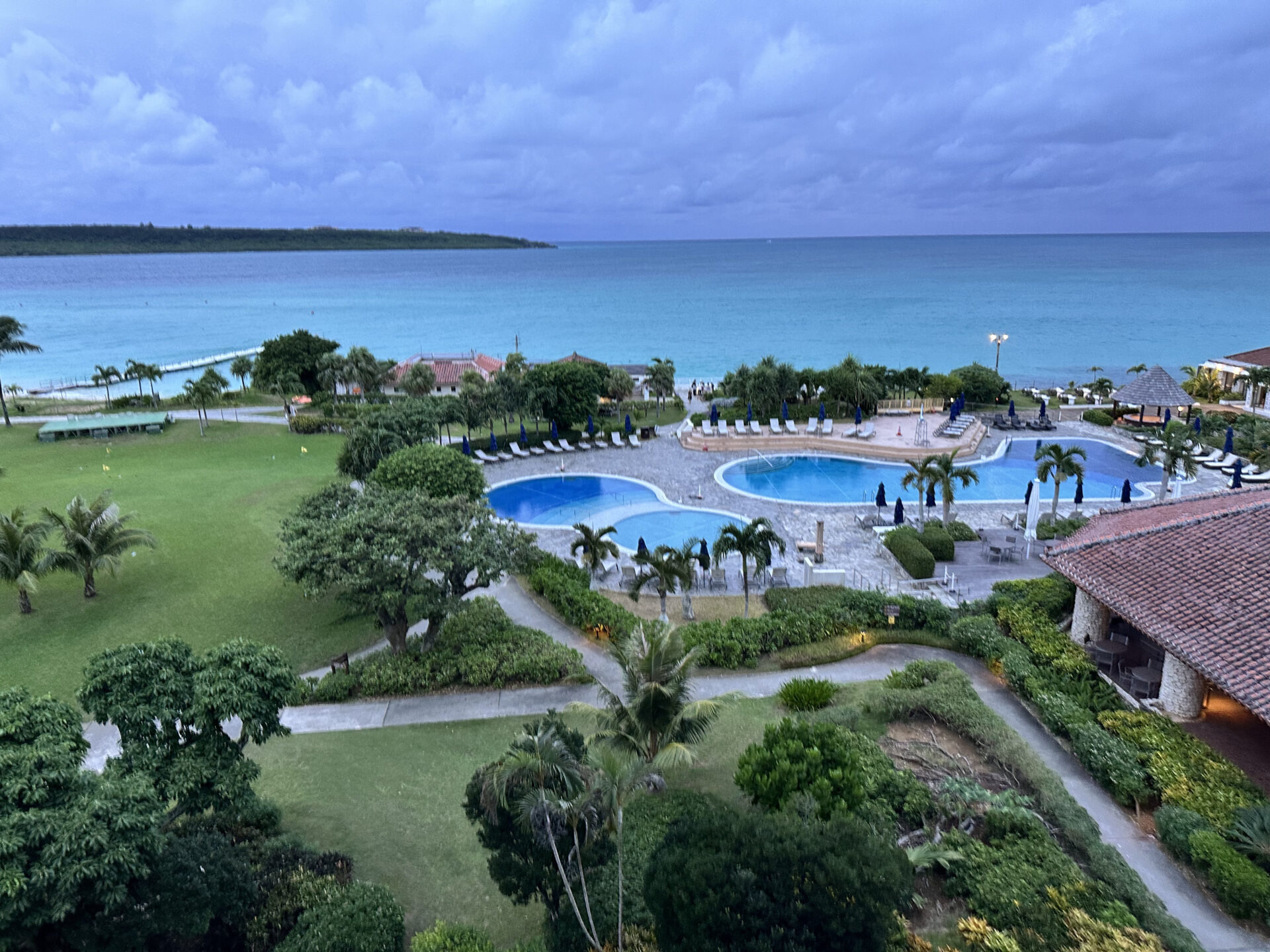
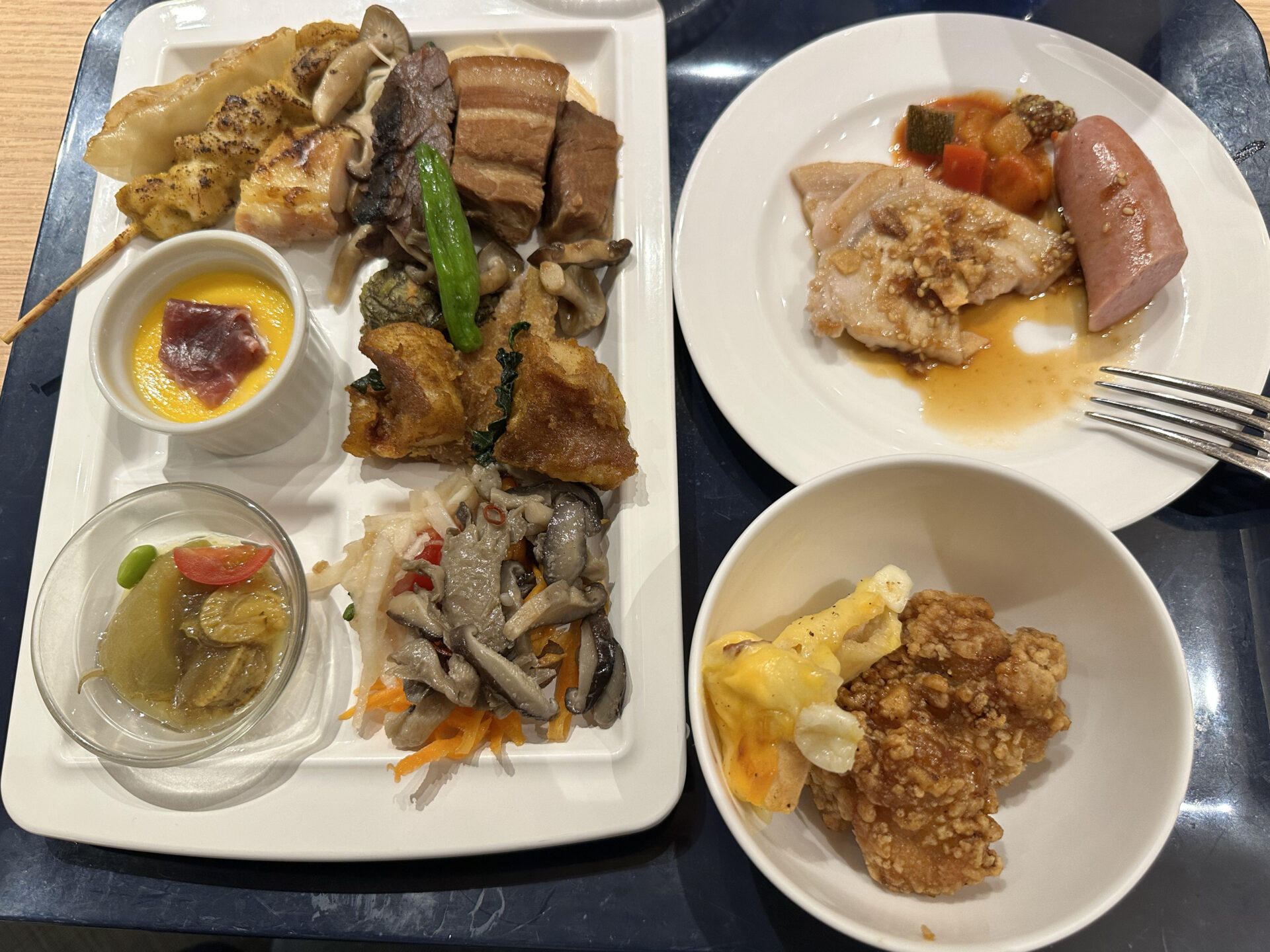
We were especially grateful that we booked a comfortable beachfront hotel—Tokyu Resort on Miyako Island. The room was spacious, food options were plentiful, and the private beach was right outside. Even on gray rainy days, opening the curtains to a quiet blue sea felt healing.
Since we couldn’t plan many outdoor activities, we leaned into the situation:
sleeping in, staring at the ocean, dining slowly at different hotel restaurants, and walking on the beach whenever the rain eased up. Not having anywhere we needed to be made the whole trip unexpectedly relaxing. The hotel shops were surprisingly fun too—almost like a mini-mall. Strolling around after dinner and bringing snacks back to the room became our nightly ritual.
Rainy-Day Luxury: Spa Zen Enlightenment vs. Deep-Tissue Indulgence
Thanks to the rain, we had plenty of time to try two massage experiences.
Hotel spa aroma massage
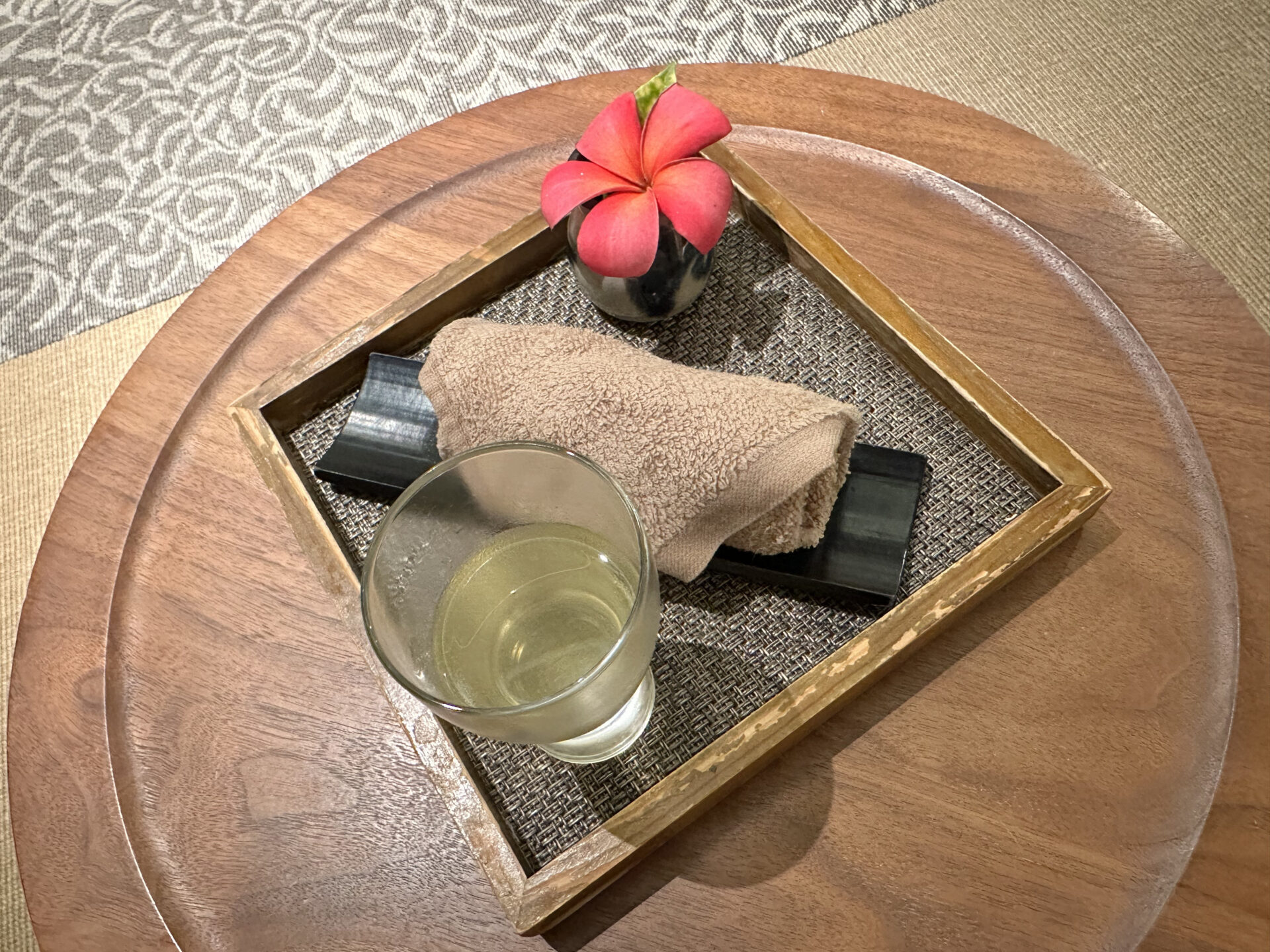
The routine felt similar to a Thai resort spa—welcome tea, a relaxing treatment, and tea again afterward. But Japanese-style massages tend to focus more on mental relaxation rather than intense, deep-pressure techniques.
In-room massage
This one was more affordable, and much closer to a Thai-style deep-tissue massage. Our therapist was talkative (in a pleasant way) and even taught us a few Miyako dialect phrases. The one that stuck with us was the local way of saying “thank you”: tan di ga tan di. He said locals would be delighted if visitors used it—and that tiny exchange ended up becoming one of the highlights of our trip.
Driving in strong wind and rain isn’t ideal for first-time visitors, but we didn’t want to leave the island without seeing anything. So we joined a one-day sightseeing bus tour—and it was absolutely the right choice.
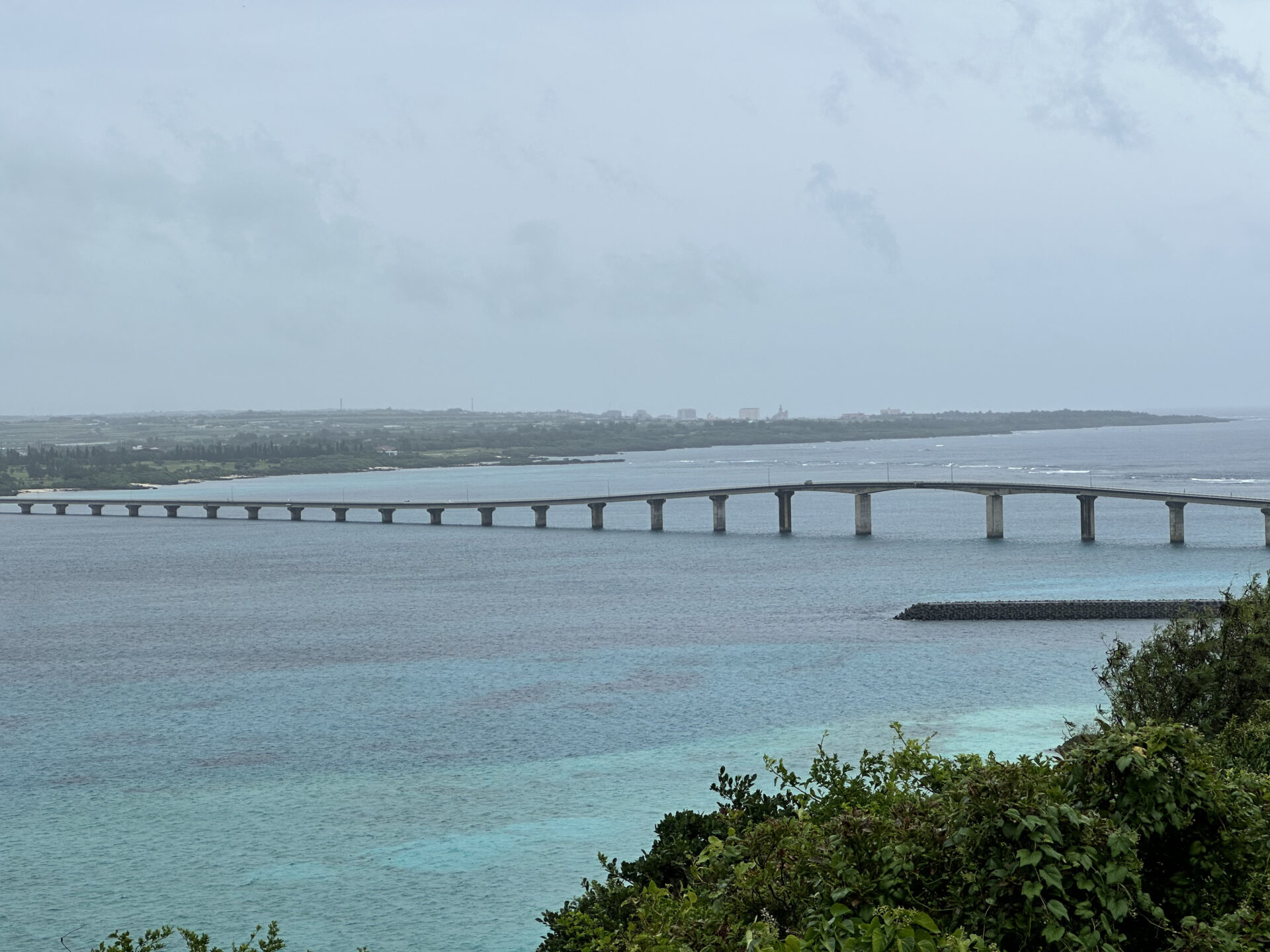
The tour covered Miyako’s major spots: Ikema Bridge, Irabu Bridge, a lighthouse, a natural cave formation, and the Yukishio Salt Factory. Along the way, we also sampled island comfort foods like pork ramen, purple sweet potato donuts, and mango smoothies.
And the umbrellas? The bus provided storm-proof umbrellas. Ours had collapsed miserably in the wind, but the local umbrellas? Solid as a rock. Some places really do have their own super-equipment.
The tour also brought us to the Yukishio Salt Factory. To be honest, it’s tiny—mostly a gift shop. But since we were already on the tour, it didn’t feel like a waste. If we had driven all the way there just for that, we might’ve felt differently.
The hotel restaurants were consistently good—great buffets, delicious Japanese dishes, and a fancy teppanyaki restaurant we couldn’t try because it required advanced reservations. But being by the ocean, we couldn’t resist seeking out seafood.
We picked a well-rated local seafood restaurant at random and were shocked (in a very Tokyo way) that a taxi ride of several kilometers cost just over 1,000 yen. Inside, almost every customer was local or domestic Japanese—always a good sign. We ordered grilled lobster, steamed crab, moon shell sashimi, and braised fish. Even the smallest lobster was huge, with tender meat that needed almost no seasoning.
At one point I cut my finger on a crab shell, and the sweet grandmother running the place immediately brought me a band-aid, fussing over me kindly. Sometimes it’s small gestures like that—more than the food itself—that make a place unforgettable.
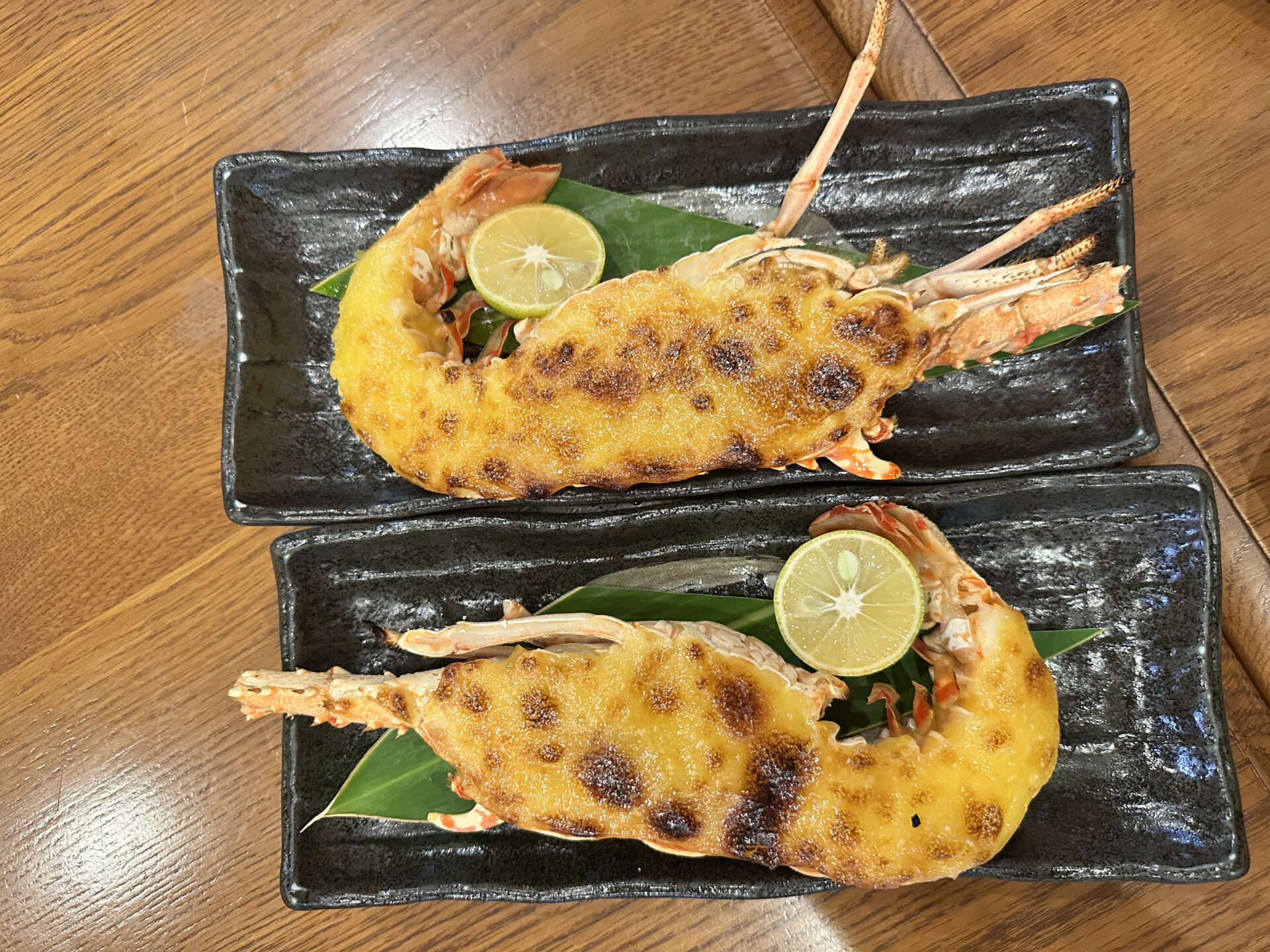
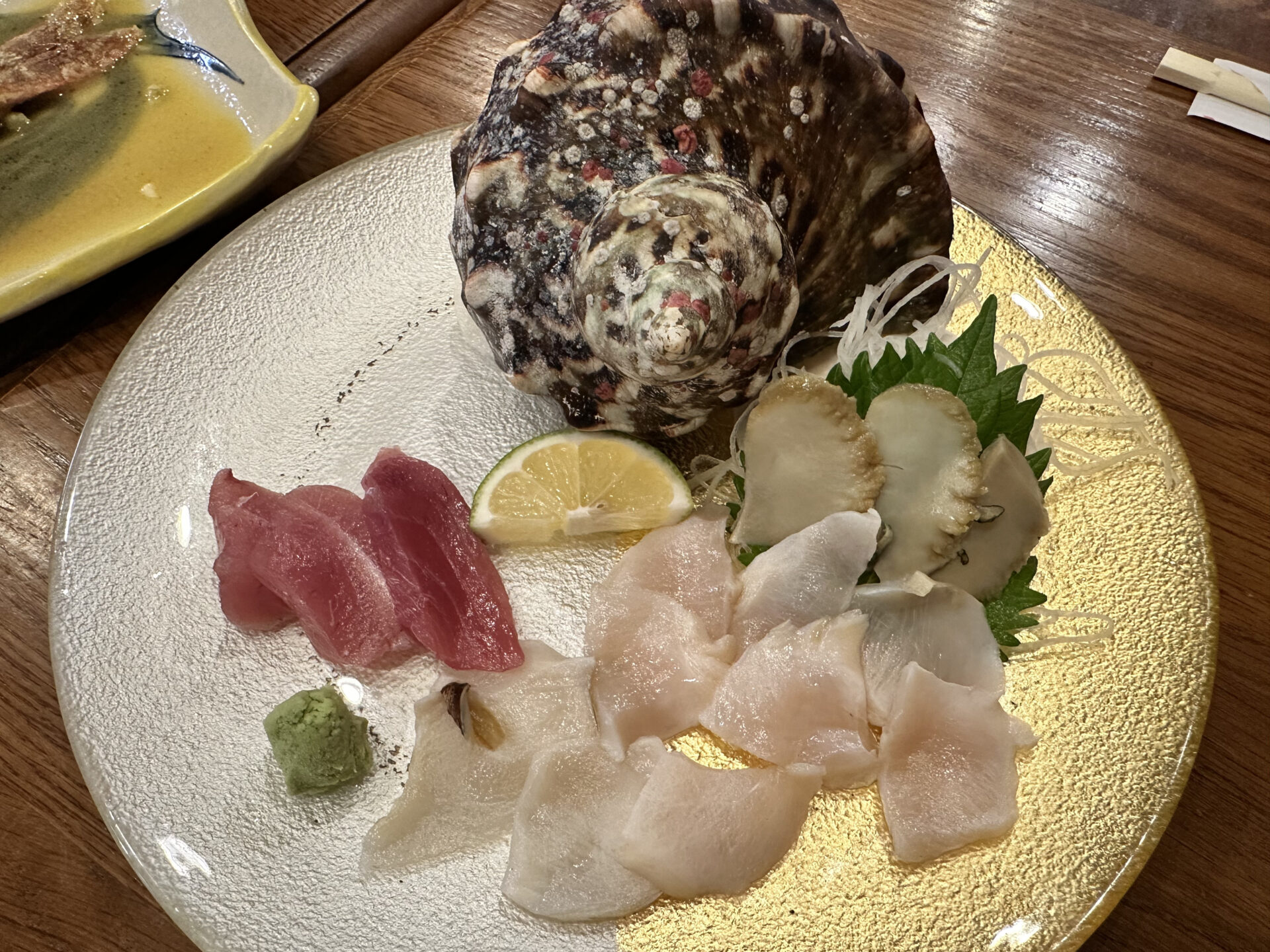
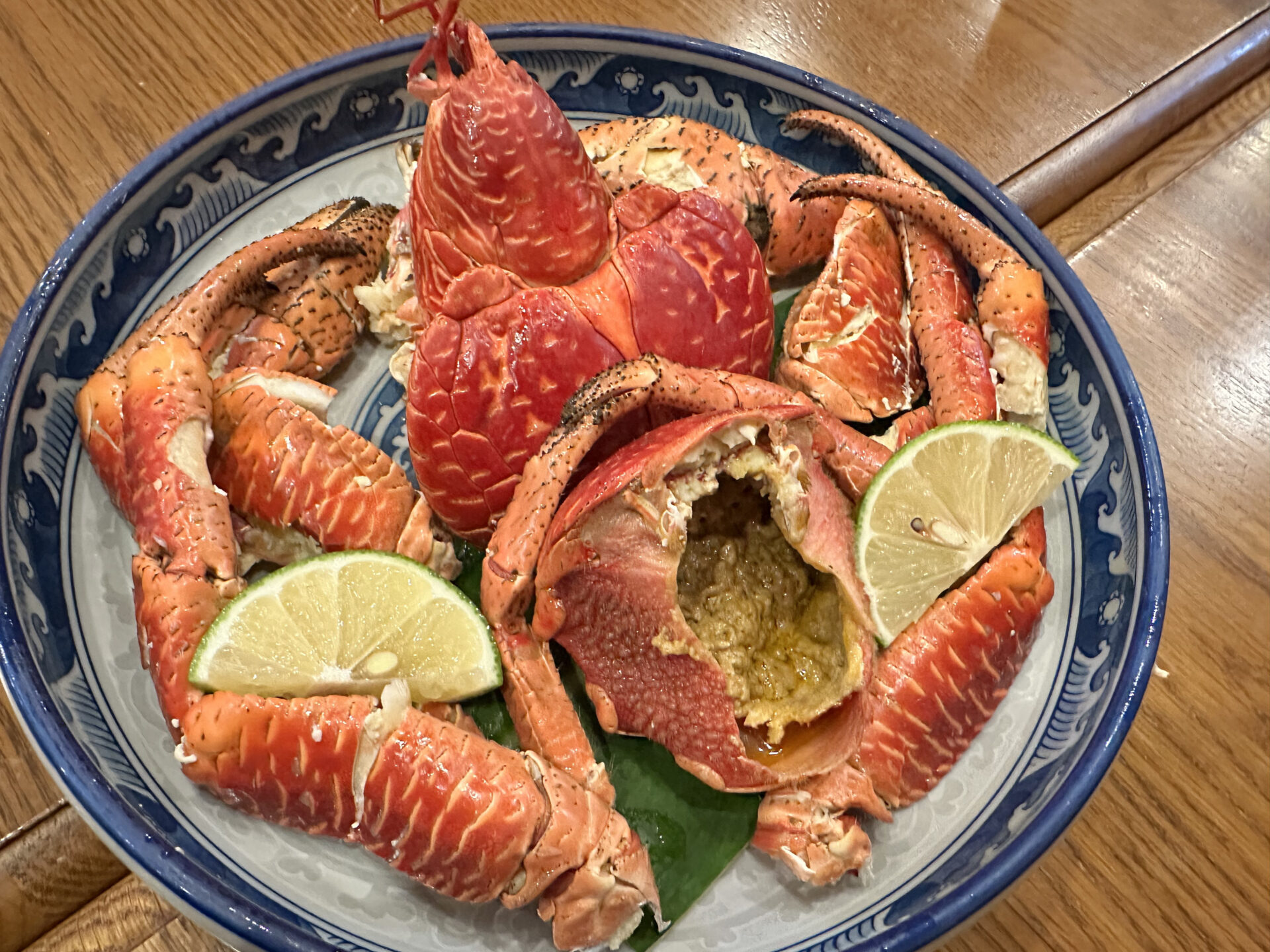
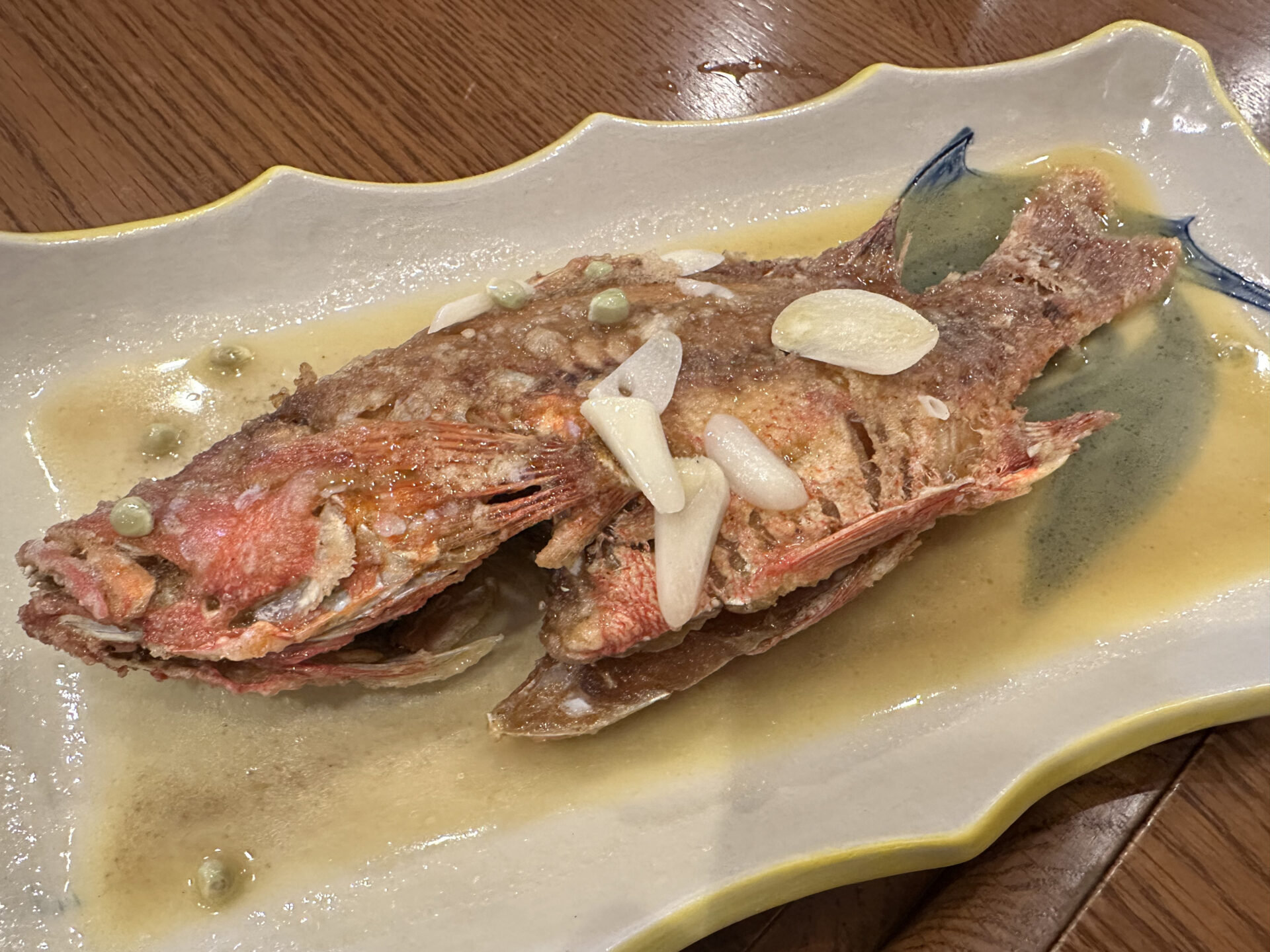
Most people visit Miyako for its sapphire water, snorkeling, and sea turtles. But because of the weather, we didn’t do any of that. Instead, we found ourselves experiencing a slower, more local side of the island—almost like walking through a small Japanese coastal town.
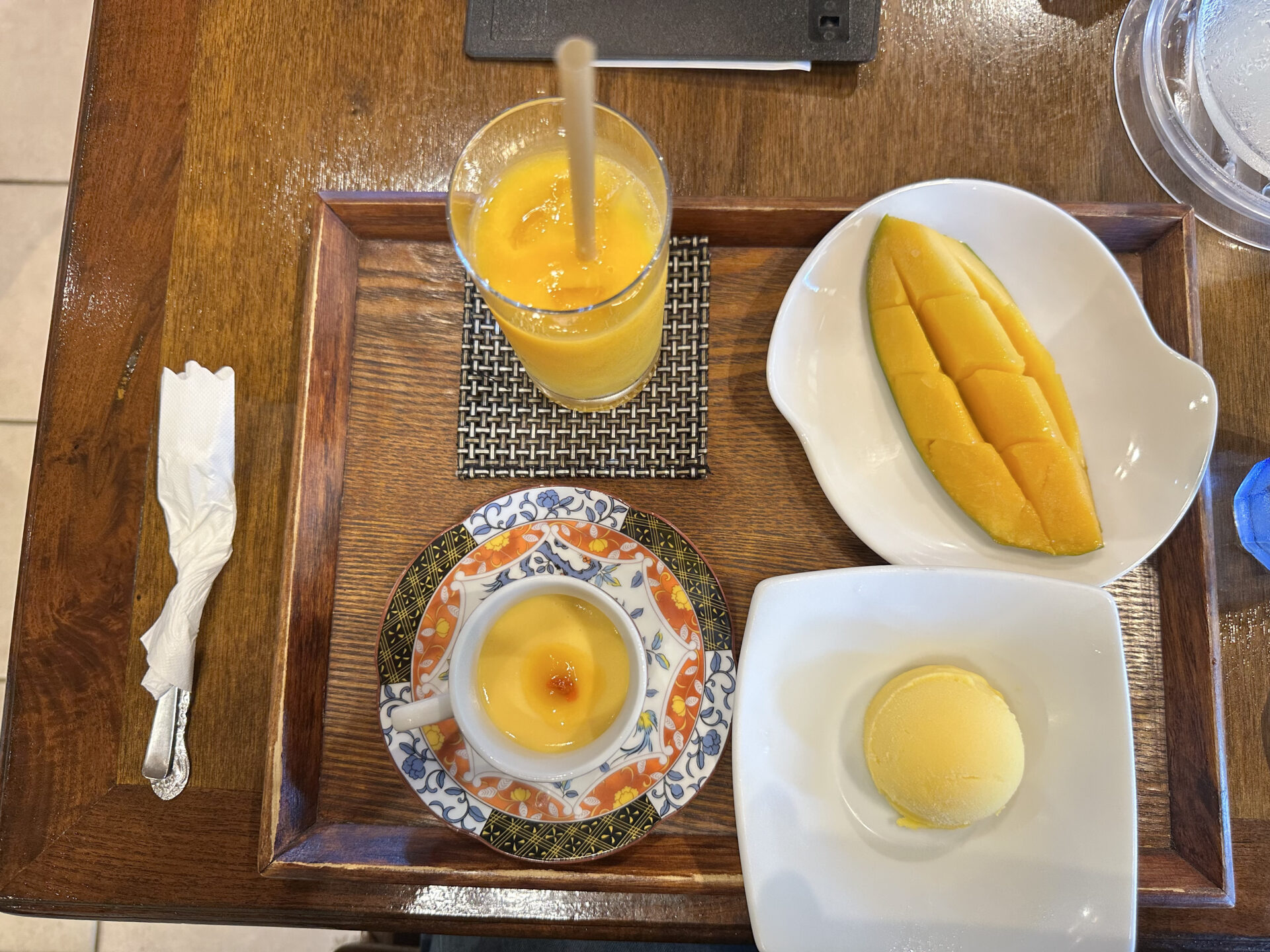
We visited a café on Kurima Island known for mango desserts and dishes made with local ingredients. Many customers order the mango set, made with island-grown mangoes—highly recommended.
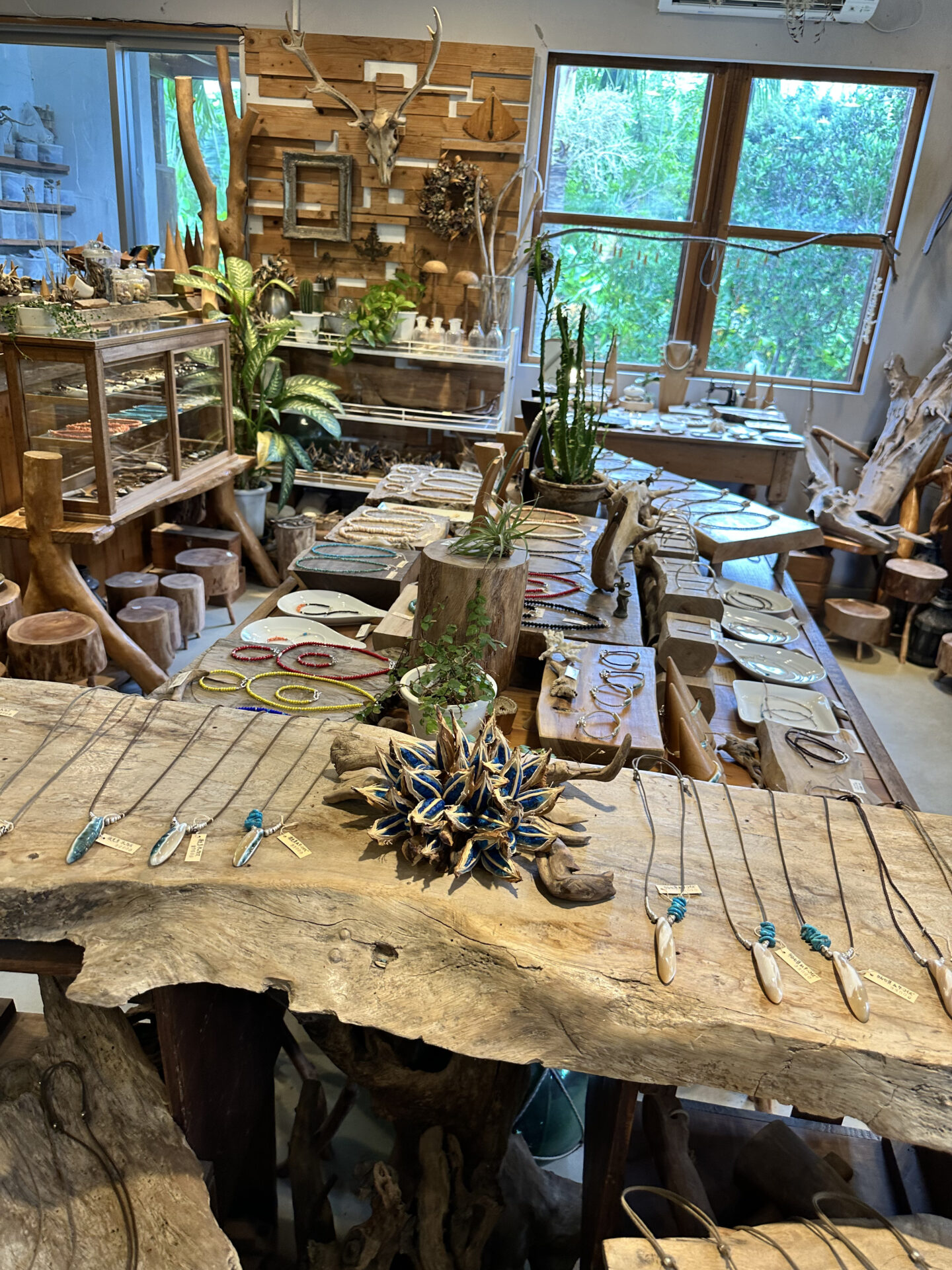
Wandering around afterward, we discovered a few charming artisan shops: hand-made silver jewelry, accessories made with local plants, shells, and coral, and other handmade items filled with island character. For travelers who enjoy seeing how locals live, these little shops often leave stronger memories than a typical “scenic viewpoint.”
Airport
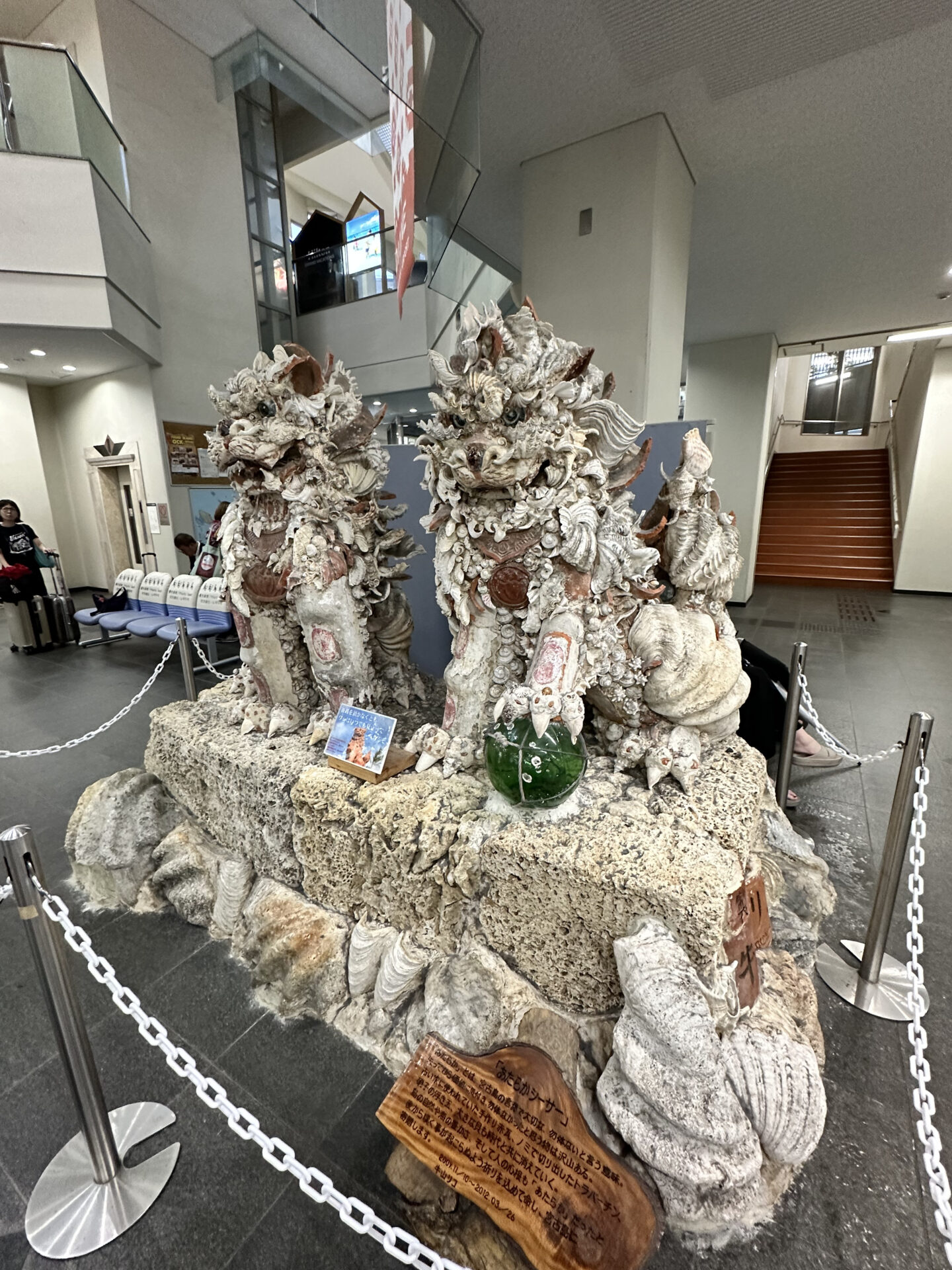
Miyako Airport is small, easy to navigate, and you’ll immediately spot hotel pick-up signs and rental car counters. Even in the rain, it’s stress-free. The second floor has plenty of souvenirs—Miyako specialties, Yukishio salt products, island liqueur, and more. If you don’t want to shop throughout your trip, you can simply buy everything before flying out.
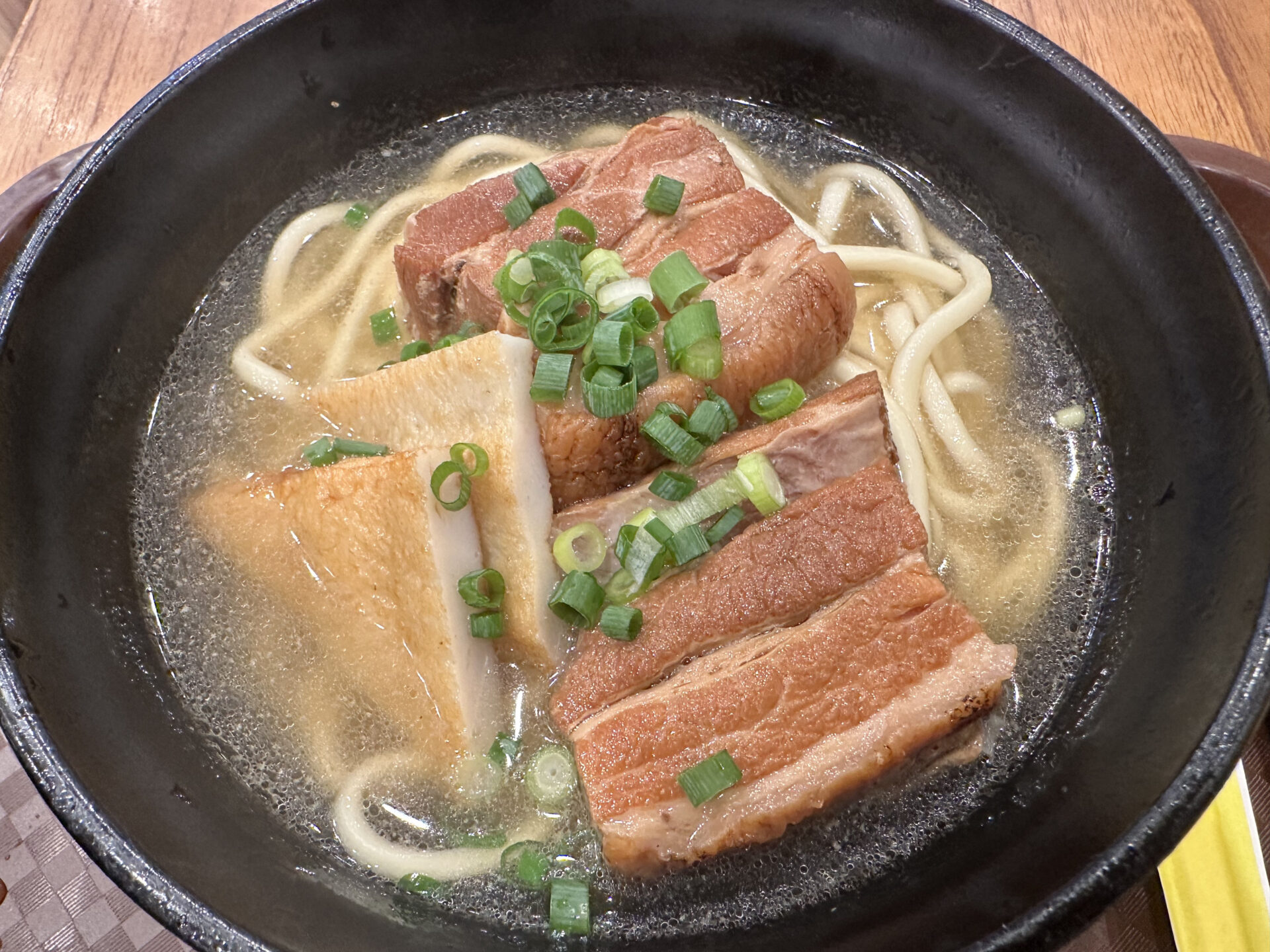
Before departure, have a bowl of Miyako pork ramen and add some local chili oil—that became our final little ritual.
Most flights are operated by JAL and ANA, connecting to Tokyo, Osaka, Okinawa Main Island, and nearby islands. Even on departure day, arriving an hour before your flight is usually enough.
Hotel shuttle
Many hotels offer free airport shuttles and buses to attractions like the tropical botanical garden. Airport shuttles require advance reservation; the garden route follows a set schedule.
Taxis
Taxis exist, but many are pre-booked, so hailing one on the street can be difficult. Keep a list of taxi numbers from your hotel and call ahead—especially at night.
One evening after dinner, we planned a short walk before catching a taxi. But the streets were pitch-black, and not a single free cab passed by. So whenever we spotted headlights, we waved our arms like desperate gorillas—and finally, a taxi stopped. The driver laughed and said he’d rarely seen tourists so determined to flag down a car. He was loud, cheerful, and nothing like the stereotypical quiet Japanese driver—honestly, a delight to talk to. When we arrived at our hotel, we thanked him in Miyako dialect: tan di ga tan di. He froze for half a second, then burst out laughing and thanked us back. It’s still one of my favorite memories from the trip.
Even though our trip was filled with typhoon winds and rain, both of us felt that maybe we needed this kind of forced slowdown. We often travel with intense agendas, trying to “do” as much as possible. This time, the weather pushed us into a different rhythm—one where we had time to breathe, sit still, and simply enjoy being somewhere new.
Sometimes we don’t know how to stop. And sometimes nature gives us the perfect excuse to.
<Author>
Fangfang Zhu
Travel Consultant at WaWo Japan Travel