
Just a 2 hour journey from Tokyo by train, Tomioka offers a glimpse into a side of Japan many travelers never see. This quiet yet charming town in Gunma Prefecture is home to the UNESCO-listed Tomioka Silk Mill — a symbol of Japan’s early modernization — and a growing hotspot for contemporary architectural design connected to figures like the world renown architect, Kengo Kuma. In Tomioka, history is not only preserved but continues to evolve, a process you’re able to see with your very own eyes by walking through the city and witnessing its architecture.
*If this is your first introduction to Tomioka, our earlier article explores why the town itself is worth visiting and why having a guide can make a meaningful difference.
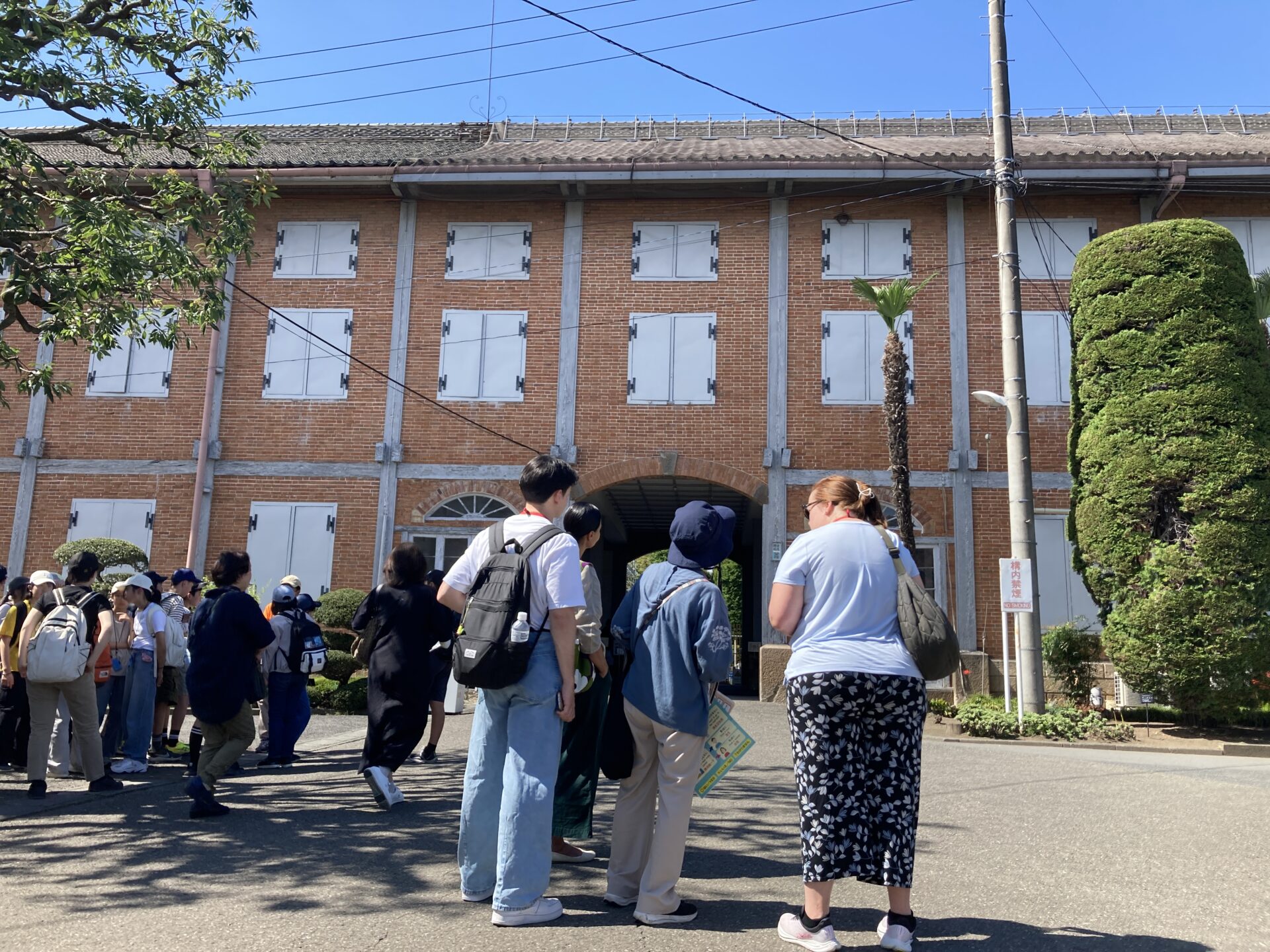
Although it is a story not widely known, Tomioka played a major role in Japan’s modernization, which took place in the mid 1800s. Imagining yourself in that era is important for understanding how revolutionary the construction of Tomioka Silk Mill was, and how it shaped Japan’s industrialization. Japan had just opened its doors to the world after a 215 year seclusion, meaning just a few years back the samurai ruled. People still carried swords, the daily wear was kimono, there was no electricity, and the main transportation method was by horse or foot. This was when the government of Japan decided to invite French engineers to construct and operate the Tomioka Silk Mill, which became Japan’s first large scale production factory. Thanks to the mill, Japan was able to introduce Western machinery, silk-reeling techniques that transformed its silk production industry, and a model working environment for women, all of which contributed to its rapid modernization.

When construction began on the red brick Tomioka Silk Mill, Japan’s architecture was all about wood – from famous temples like Kiyomizu-dera in Kyoto and Horyu-ji in Nara to the traditional townhouses of Shirakawa-go and Kyoto’s Gion. The mill’s construction came at a turning point in Japanese architecture: the introduction of brick. Tomioka happened to be one of the first places where brick was locally produced, eventually leading to the development of brick production across the nation. One interesting thing to see when you’re walking through Tomioka Silk Mill is how the craftsmen mastered their brickwork over time. The bricks of the older buildings, like the East Cocoon Warehouse, are uneven in size and laying, but gradual refinement can be seen in newer structures, like the chief’s house.

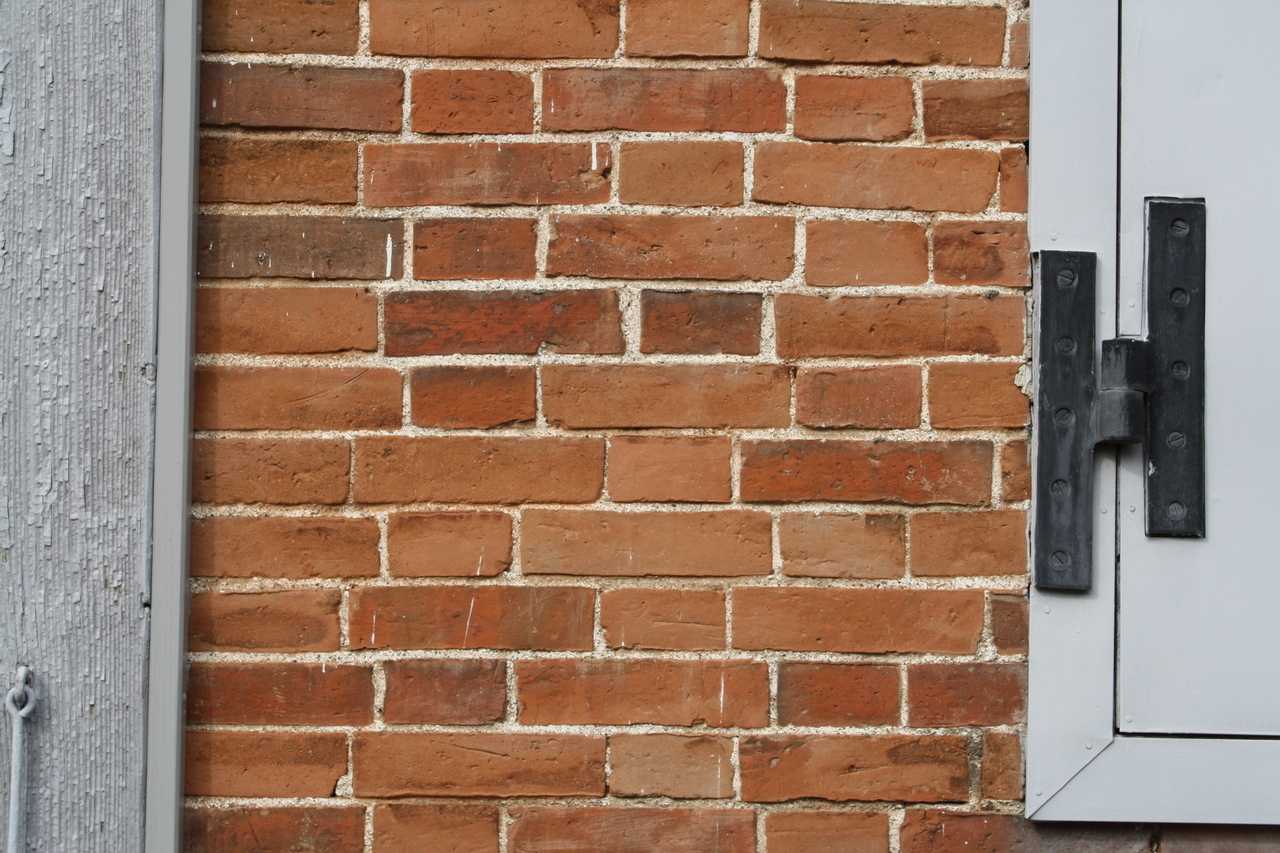
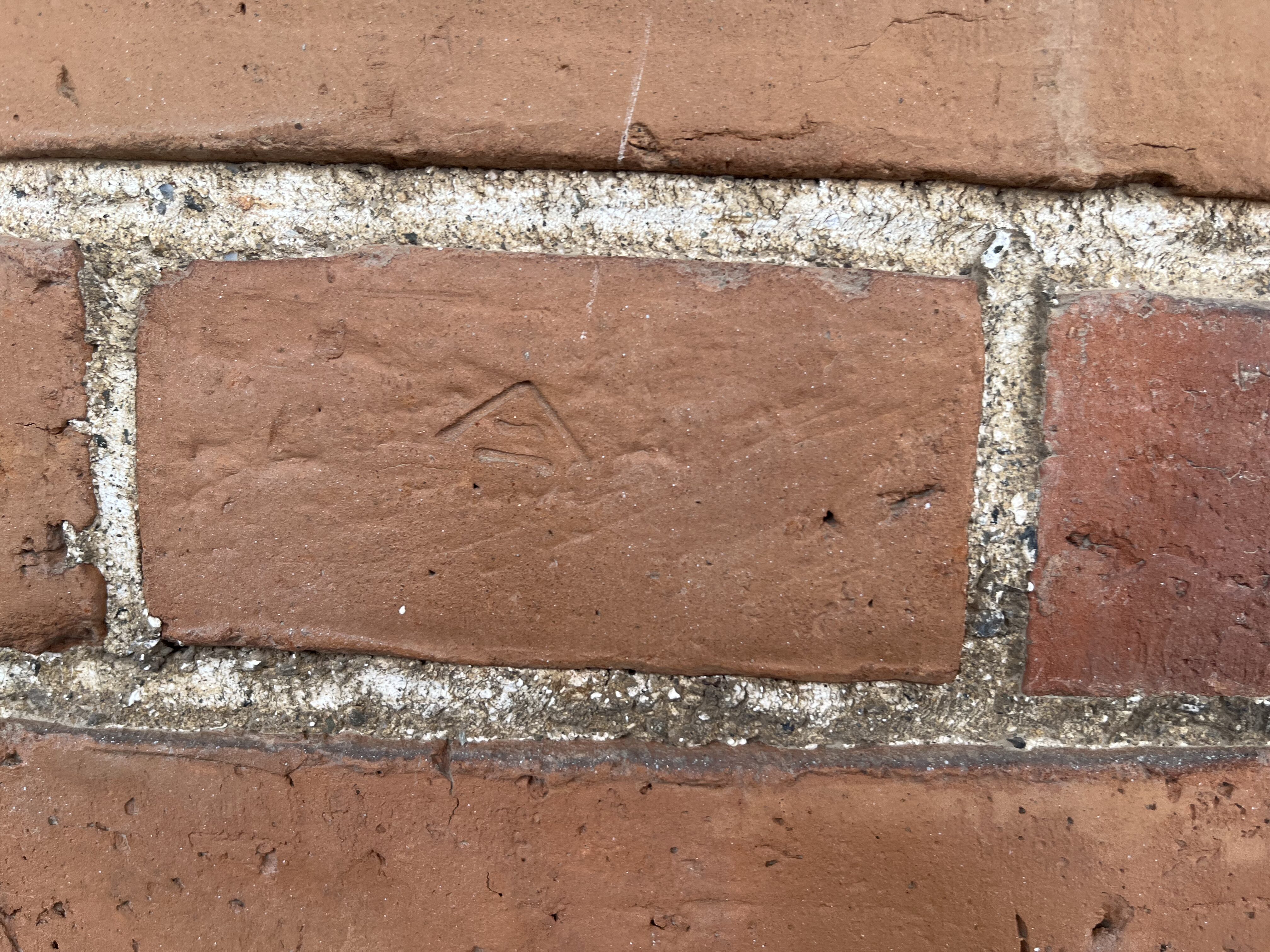
But what’s more special about Tomioka’s architecture is how it intertwines old and new. The engineers relied on traditional Japanese techniques in conjunction with Western techniques, using a traditional wooden framework to build the buildings. They also used shikkui, or traditional Japanese mortar, to bond the bricks together, partly because cement did not exist yet in Japan at the time. They likewise built colonial-style houses with porches arranged around the house to protect it from the humidity of the hot Japanese summer. These all show that Japan didn’t just copy the West, but adapted it.


Tomioka’s story did not end with the Meiji era. The spirit of experimentation that once introduced Western brick architecture to Japan continues to shape the town today. While the red-brick buildings of the Tomioka Silk Mill reflect a bold step into modern industry, contemporary architecture built in recent years brings a new layer of creativity to the town.
For example the Tomioka City Hall, a 3-minute walk from the station, was designed by one of Japan’s most internationally recognized architects, Kengo Kuma. Known for designing the Japan National Stadium for the 2020 Tokyo Olympics, he uses natural materials to create buildings that blend gently into their surroundings.
The Tomioka City Hall just looks like a new building from the outside. Step inside, however, and you’ll find that the interior is inspired by silk, with the walls made from a type of silk called dried kibiso, which is usually thrown away during the silk production process because of its stiffness. Guests are welcome to enter Tomioka City Hall, but photography is strictly prohibited. There are other buildings in Tomioka that Kuma’s office designed or supervised (Tomioka Warehouse and the Joshu-Tomioka Station,) thus making Tomioka a mecca for future architects-to-be.


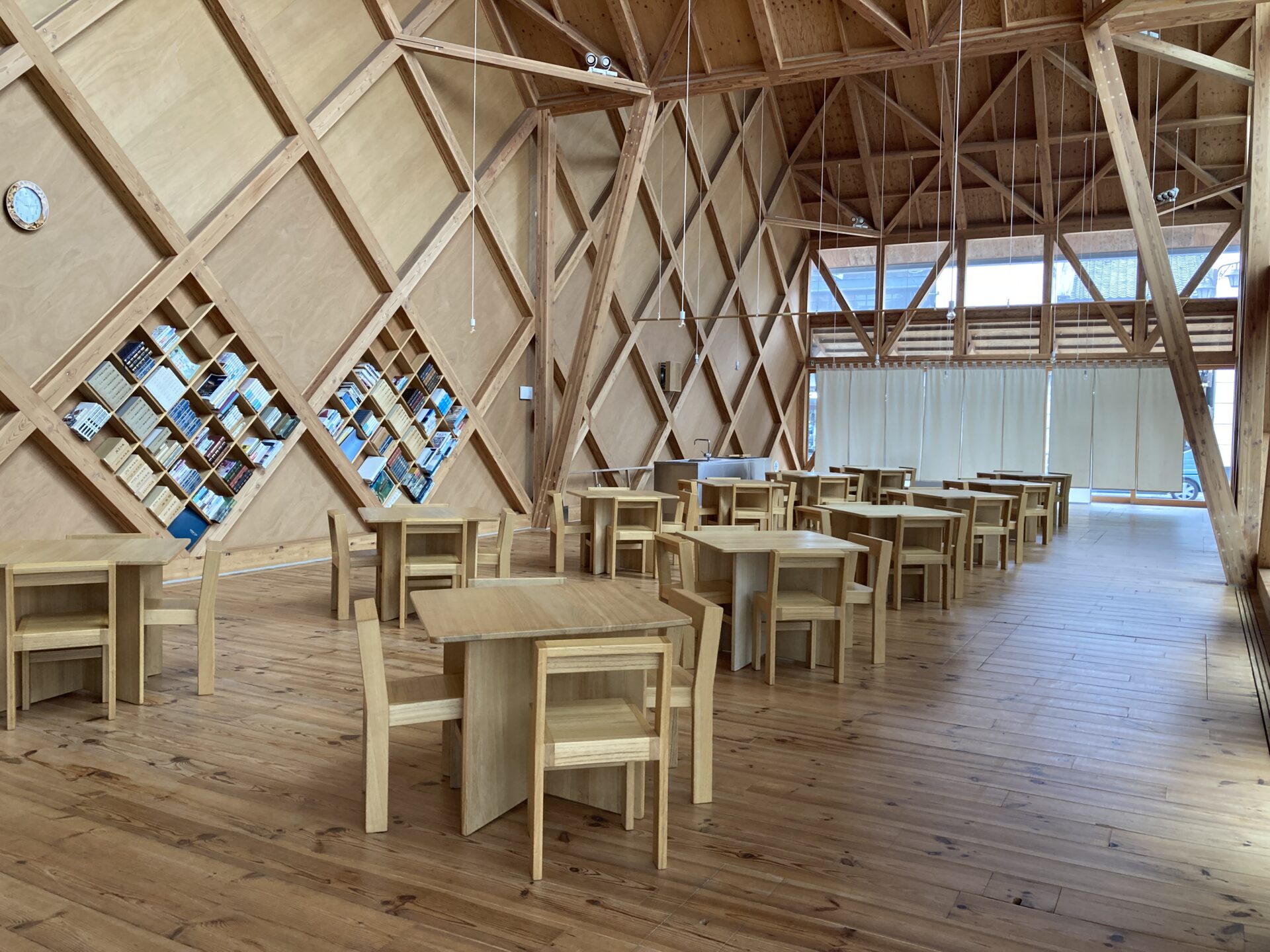
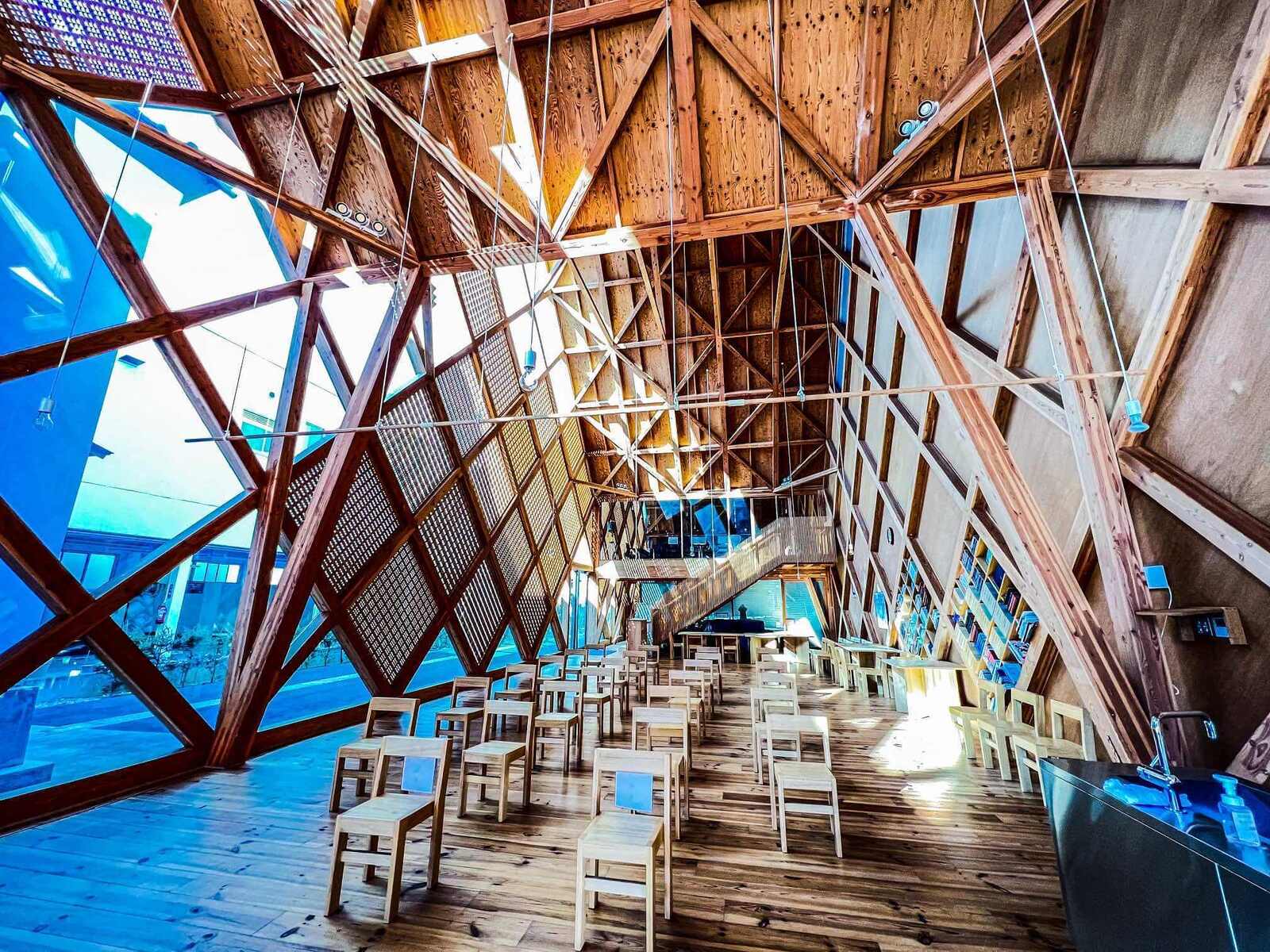
The Chamber of Commerce and Industry Hall is yet another place where old meets new. Formerly a kimono store and a warehouse, it was reconstructed due to aging, using donations from local companies and former chairmen. A total of 120 million yen was gathered, which shows how much the locals care about the town and preserving its history. The warehouse on the left, now used as a gate, was kept and renovated, while the kimono store on the right was reconstructed into a hall that is open to the public. You’ll need to walk through the former warehouse gate to find the building’s true beauty – a stunning series of window panels which depict six mountains inspired by Tomioka’s townscape, and diagonal wooden lattice screens inspired by the Tomioka Silk Mill.


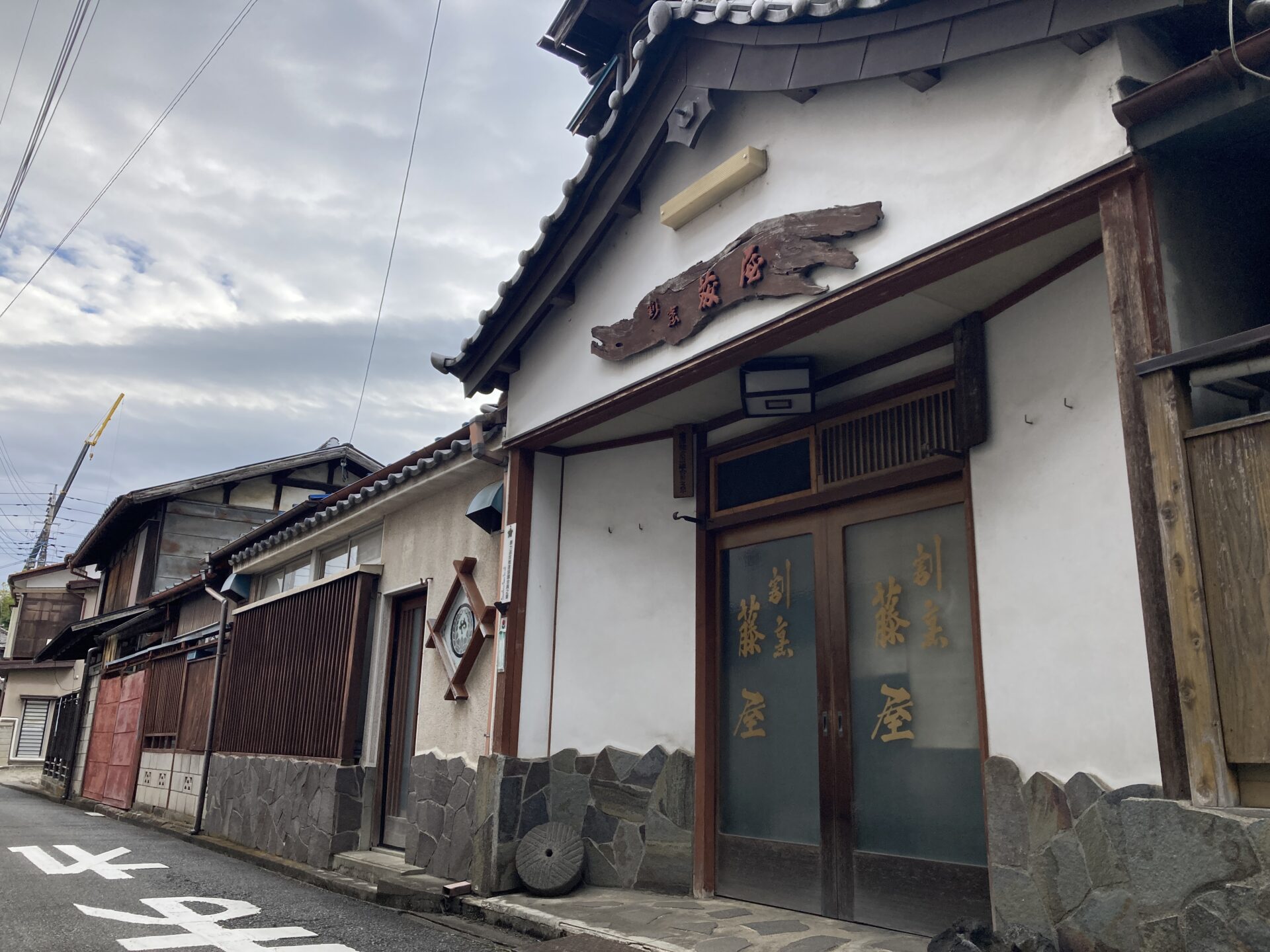
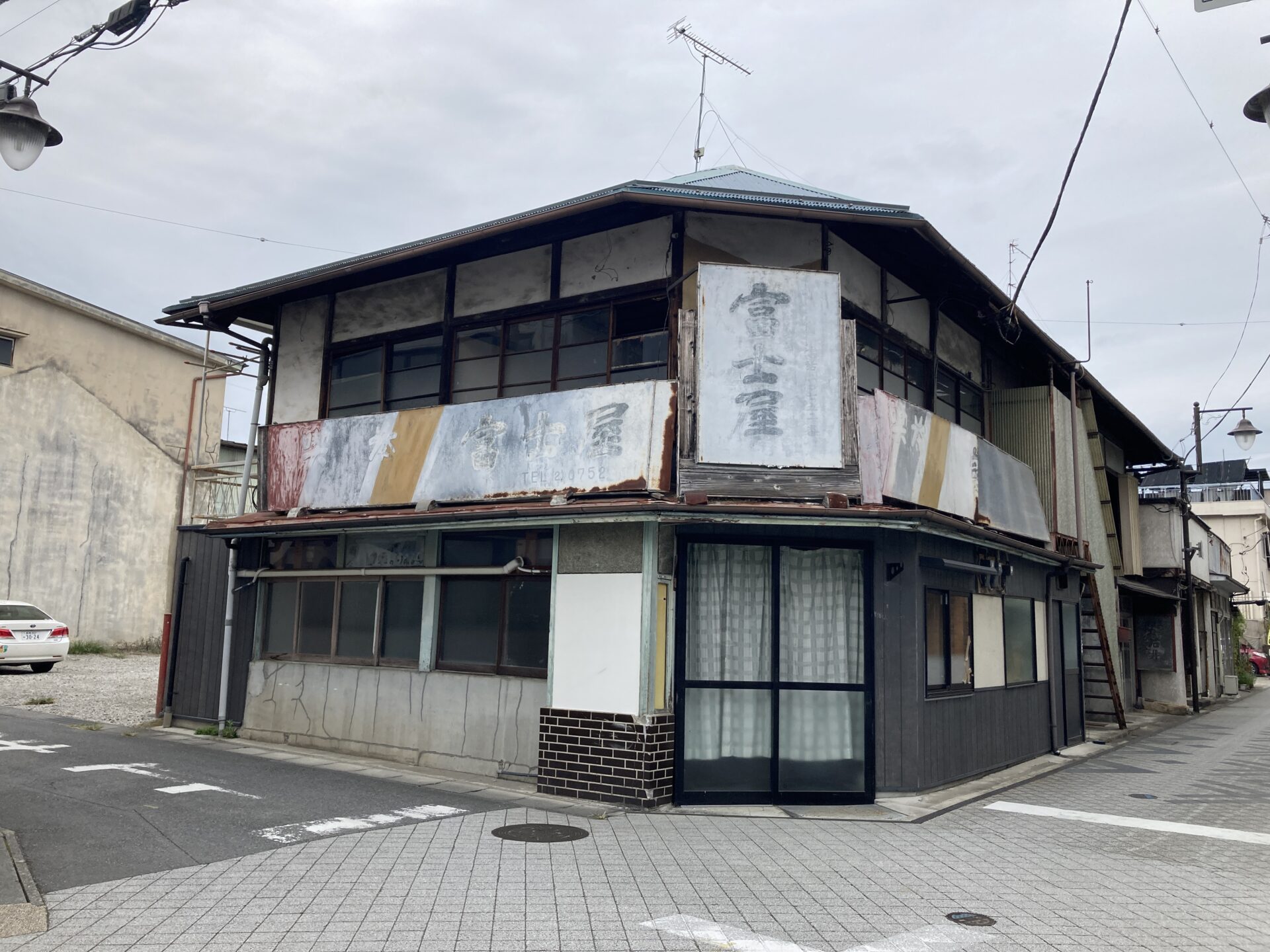
Tomioka has a mix of new buildings and old but innovative architecture. Yet what truly defines the town is the streetscape that has remained largely unchanged since the mid Showa era (1926-1989). It was a time when Tomioka Silk Mill was at its height of its operation. Shops, restaurants, and entertainment venues filled the main shopping street, and the town was home to many merchants who lived in row houses with warehouses alongside the living space.
Although the shopping street is now much quieter than it once was, many of the buildings remain as they were, preserving traces of the area’s former bustle. There are a few shops and restaurants that still operate today, the oldest being Wasaiya Genji, a 124 year old ryōtei (high-end traditional Japanese restaurant.) At the curry shop Takadaya, you’re able to enjoy the same curry the female mill workers enjoyed when the mill still operated, while at the senbei shop Hanabi Senbei, the owner can tell you stories about his childhood days and how lively the neighborhood was.
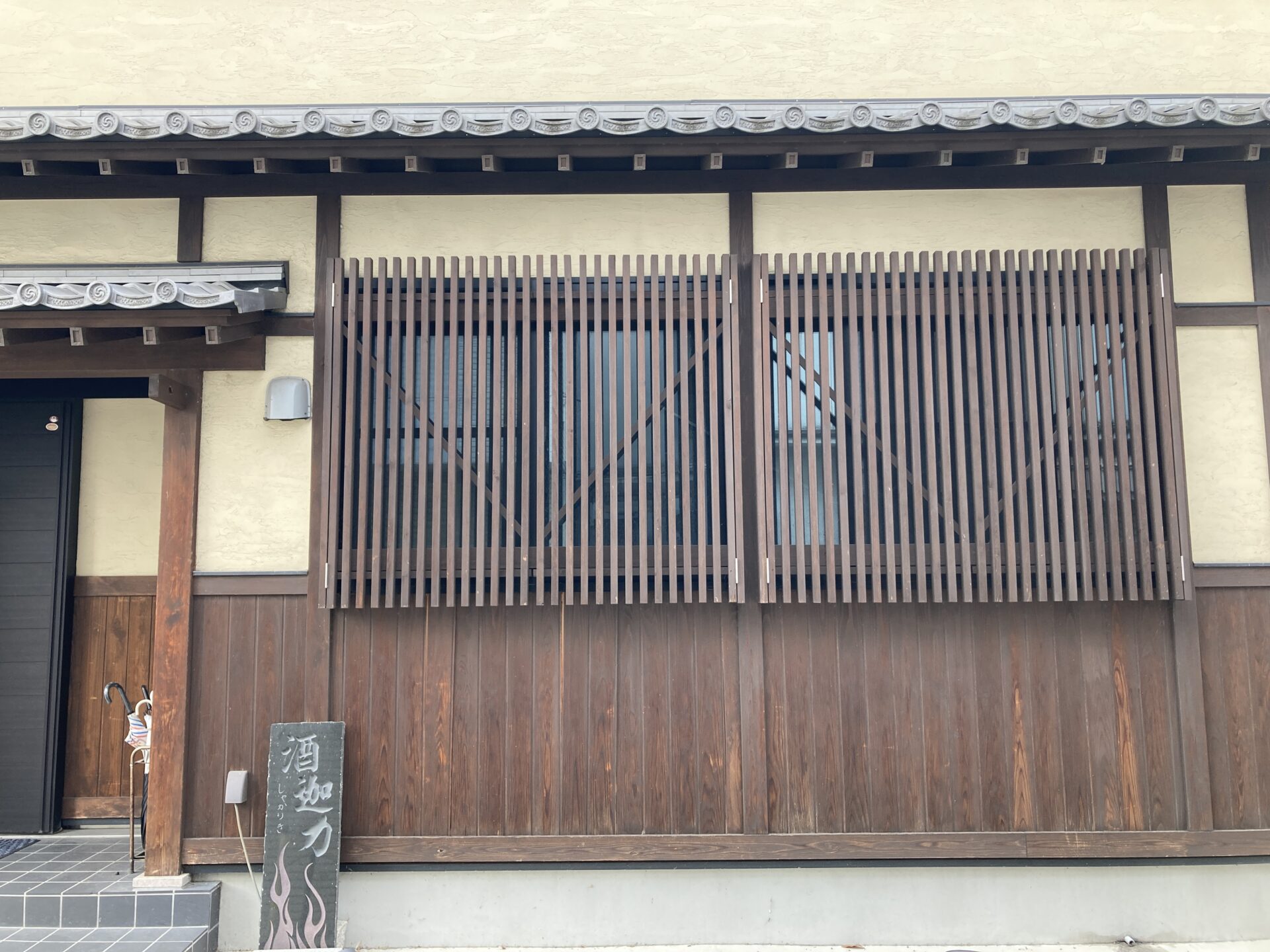
Walk along the main road (Route 254) that connects Tomioka and the Nakasendo, and you’ll find warehouses lining the street. They are no longer used but are left as is, which offers a glimpse into the past. Another unique sight are the wooden lattice windows which were common during the era. Meant for privacy and security, they give a hint of what daily life here was once like.

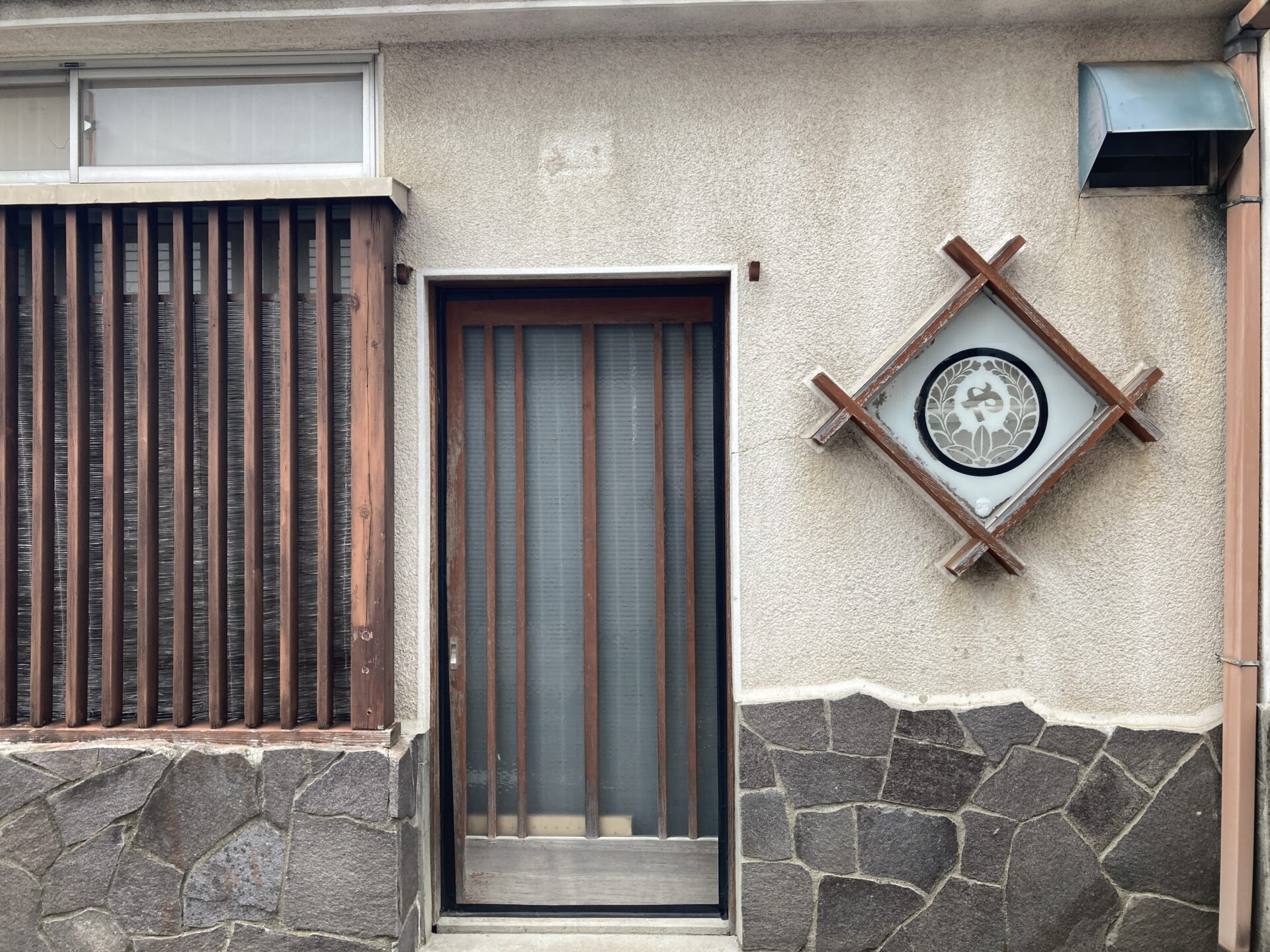
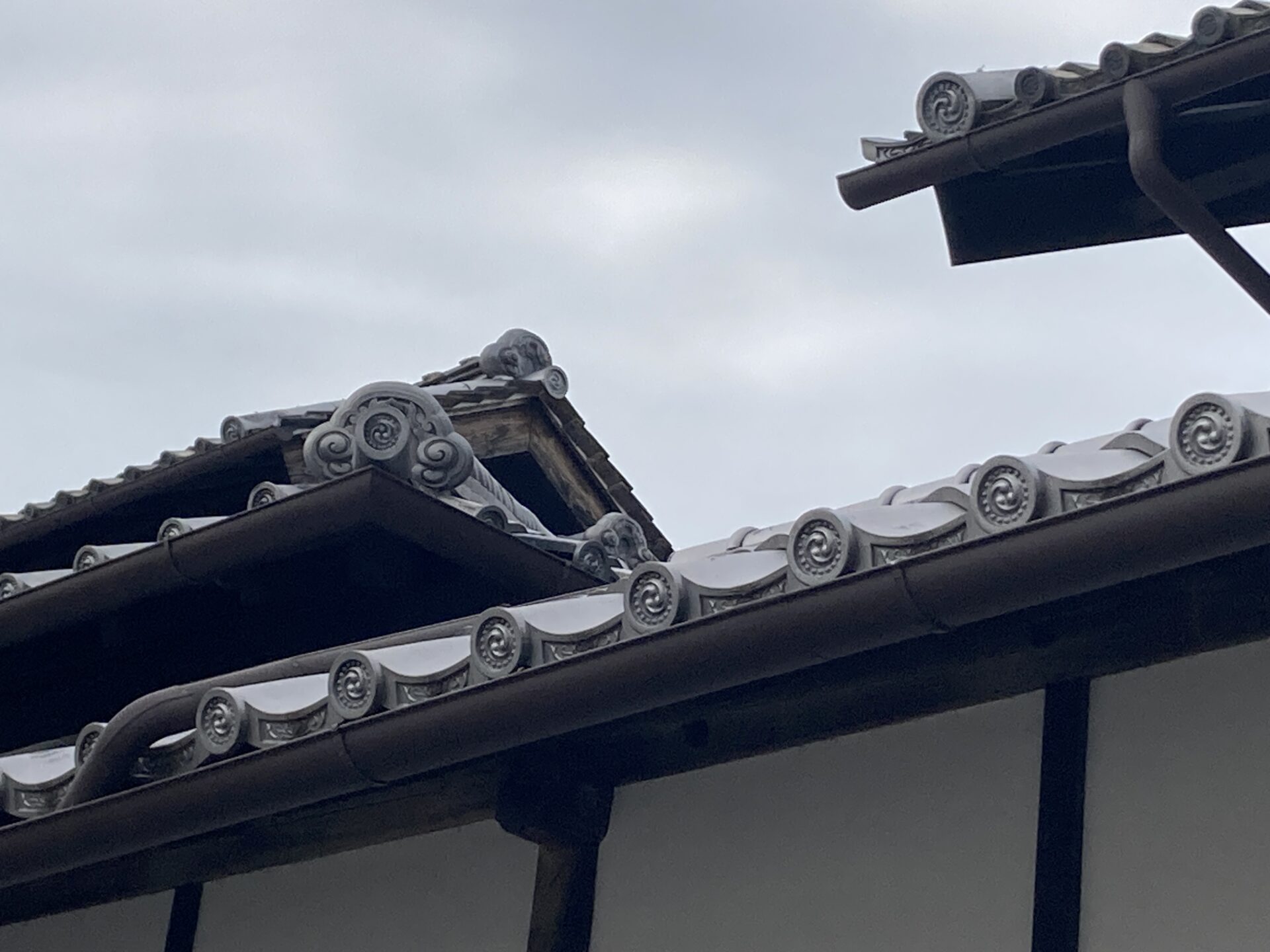
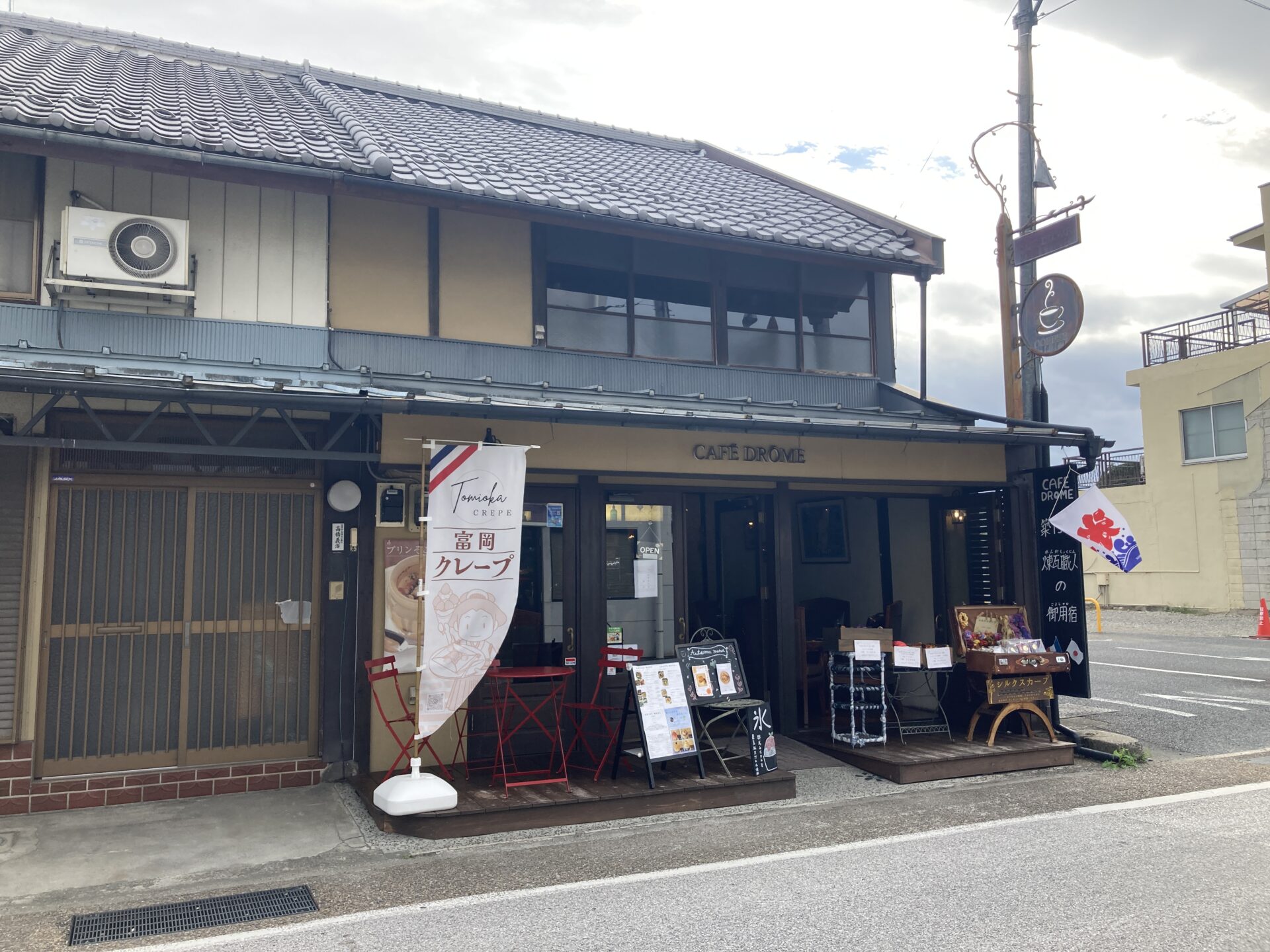

As you walk through Tomioka, you move effortlessly between eras — from 19th-century innovation to 21st-century design. Rather than replacing the past, modern architecture here quietly coexists with it. In Tomioka, old and new are not opposites, but part of the same continuing story. Without context though, it’s easy to miss! If you’re looking for a walk through innovation and design, we recommend having a local guide introduce you to the wonders of the town.
<Walking Tours provided by Tomioka City Tourism Association>
https://tomioka-tasuki-net.tourbooking-japan.com/A/en-US/product-detail/822
<Content & Images>
All images not owned by WaWo Japan Travel were obtained from Silkool TOMIOKA.
<Author>
Saori Futsukaichi
Travel Consultant at WaWo Japan Travel