
Tokyo is a city that is constantly reinventing itself, while somehow managing to preserve fragments of its past.
Two neighborhoods – Shimokitazawa and Koenji, in the western areas of Tokyo are buzzing with a rather unique energy. The atmosphere shifts from hustle and bustle to a slightly scruffier and eclectic vibe. They have both earned reputations as havens for second-hand clothing, music, and nightlife with an underground flair.
For anyone interested in digging through racks of vintage clothes, unearthing a heavily discounted Patagonia jacket in almost perfect condition, or simply wandering through alleys lined with smokey yakitori stands, these two neighborhoods are essential stops.
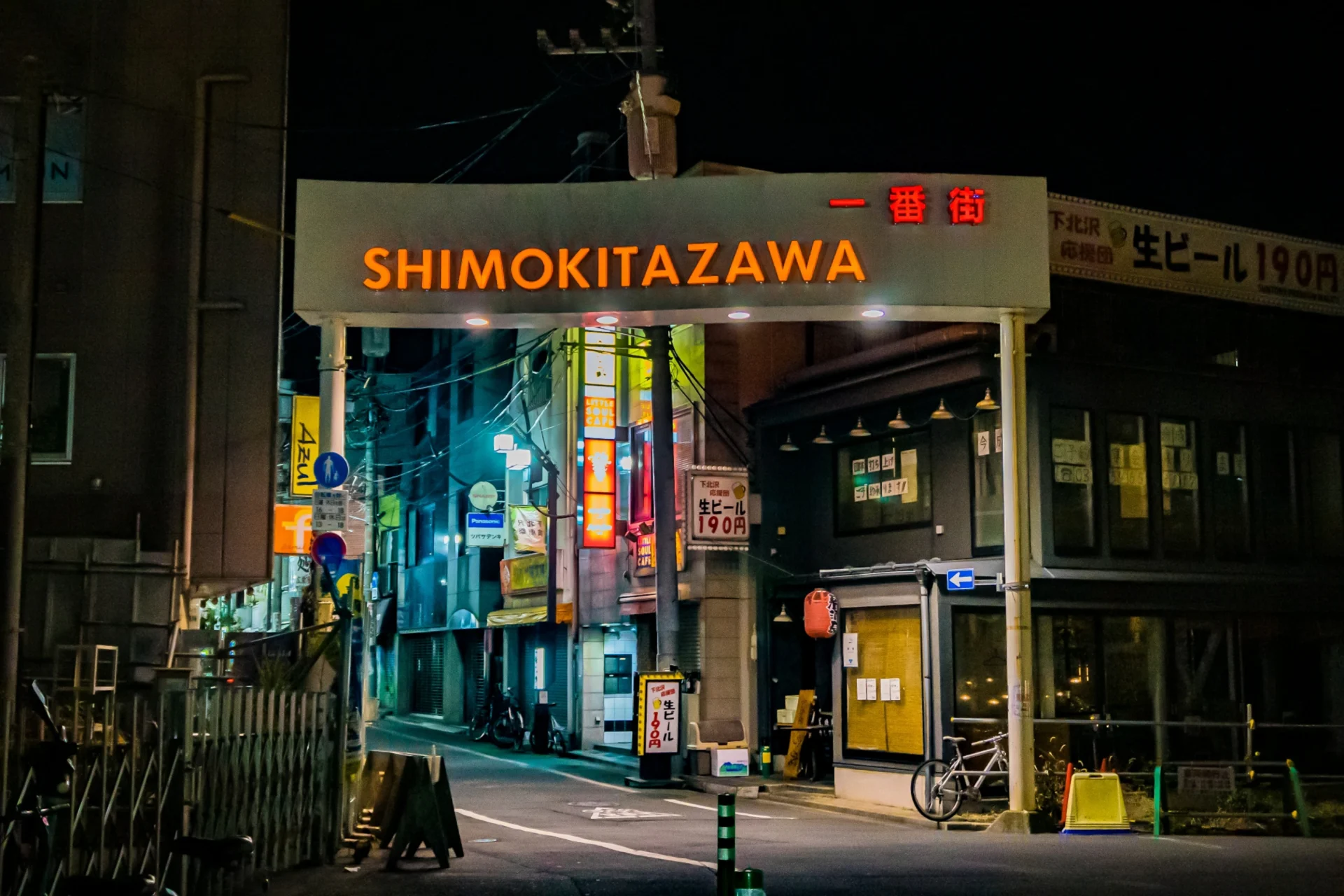
Shimokitazawa has long been Tokyo’s bohemian center. Just a few stops from Shinjuku or Shibuya, the area is a maze of narrow streets filled with cafés, small live houses, and, most importantly, vintage clothing shops. The atmosphere is casual, energetic and a little experimental. You will see people from all walks of life, many of them creatives, drifting between coffee shops and thrift stores, often dressed in styles that defy easy labels.
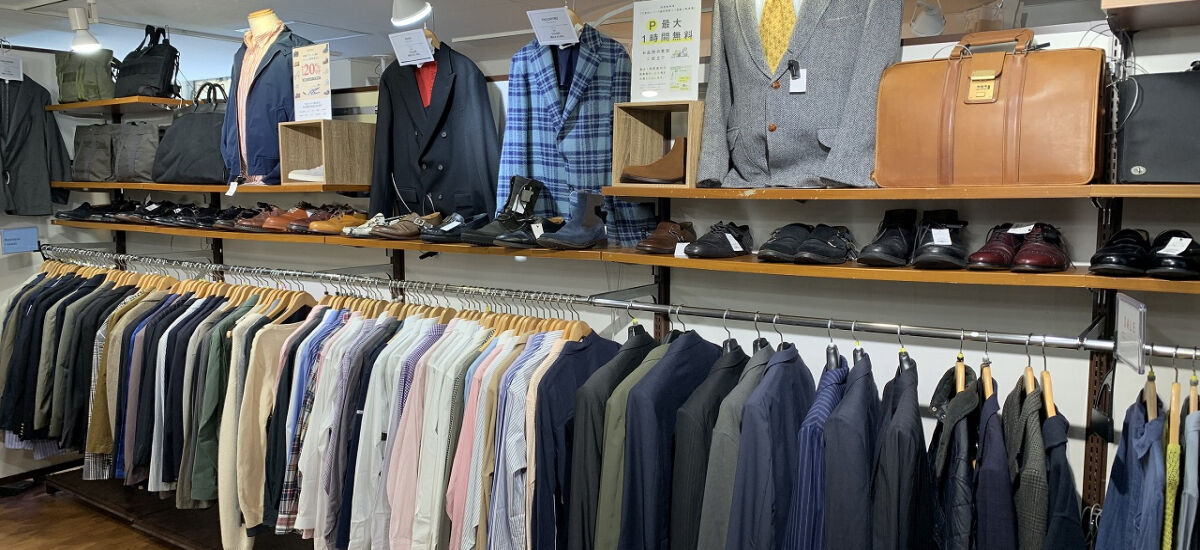
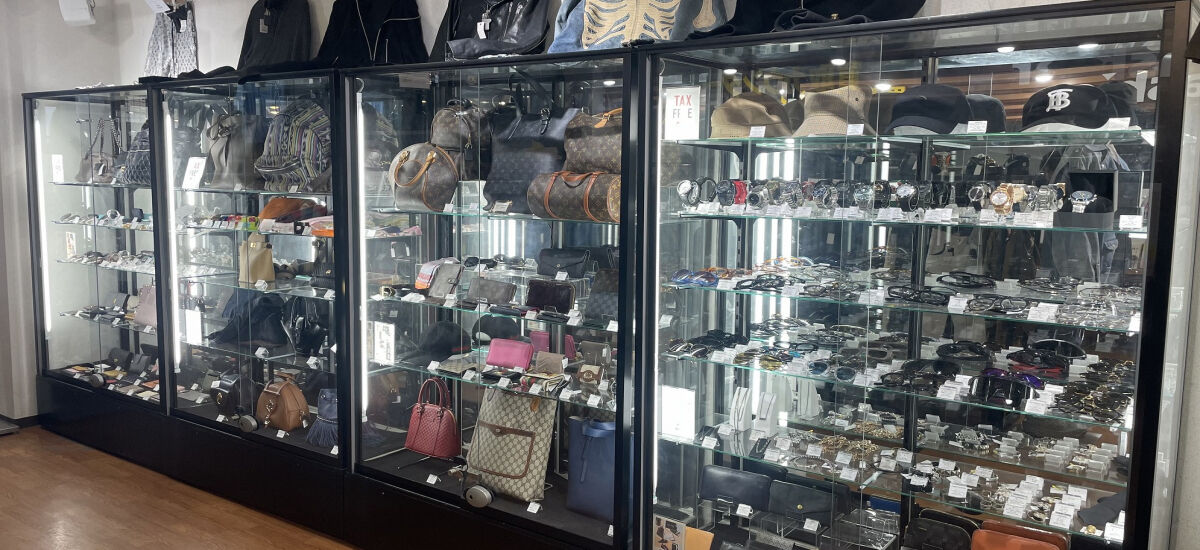
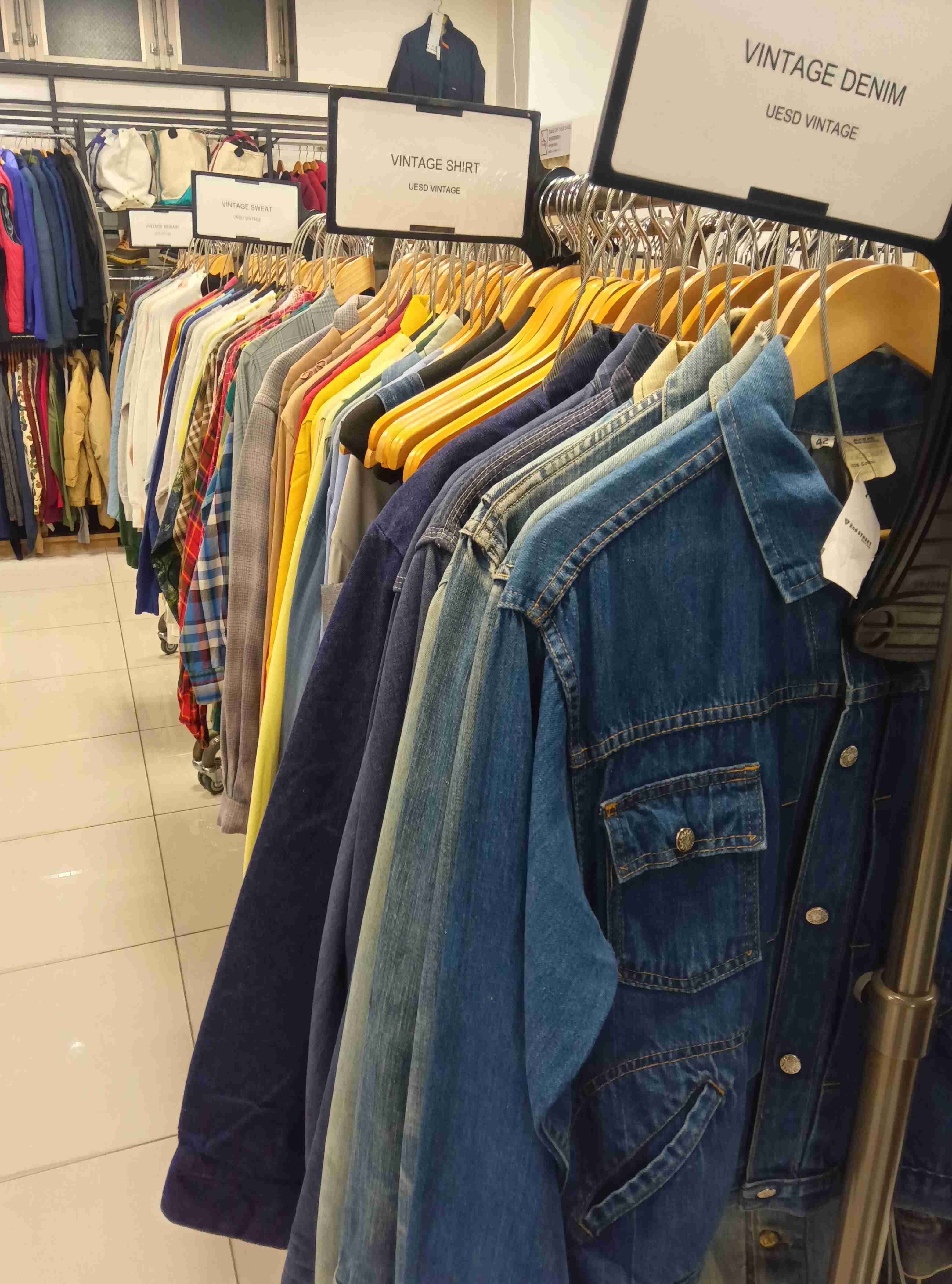
You will also find big names like Second Street, one of Japan’s best-known second-hand chains. Their Shimokitazawa branch sprawls across multiple floors with hundreds of quality items on their racks. Prices range widely. A no-name t-shirt for 200 yen sits just a rack away from a mint-condition Comme des Garçons piece for 20,000 yen. That is the magic of Second Street. It is not a curated store that only stocks the same exact items. It is a true mix, where fast-fashion shares rack space with designer wear. The thrill is in the treasure-hunting and the unbeatable excitement of stumbling upon that perfect item.
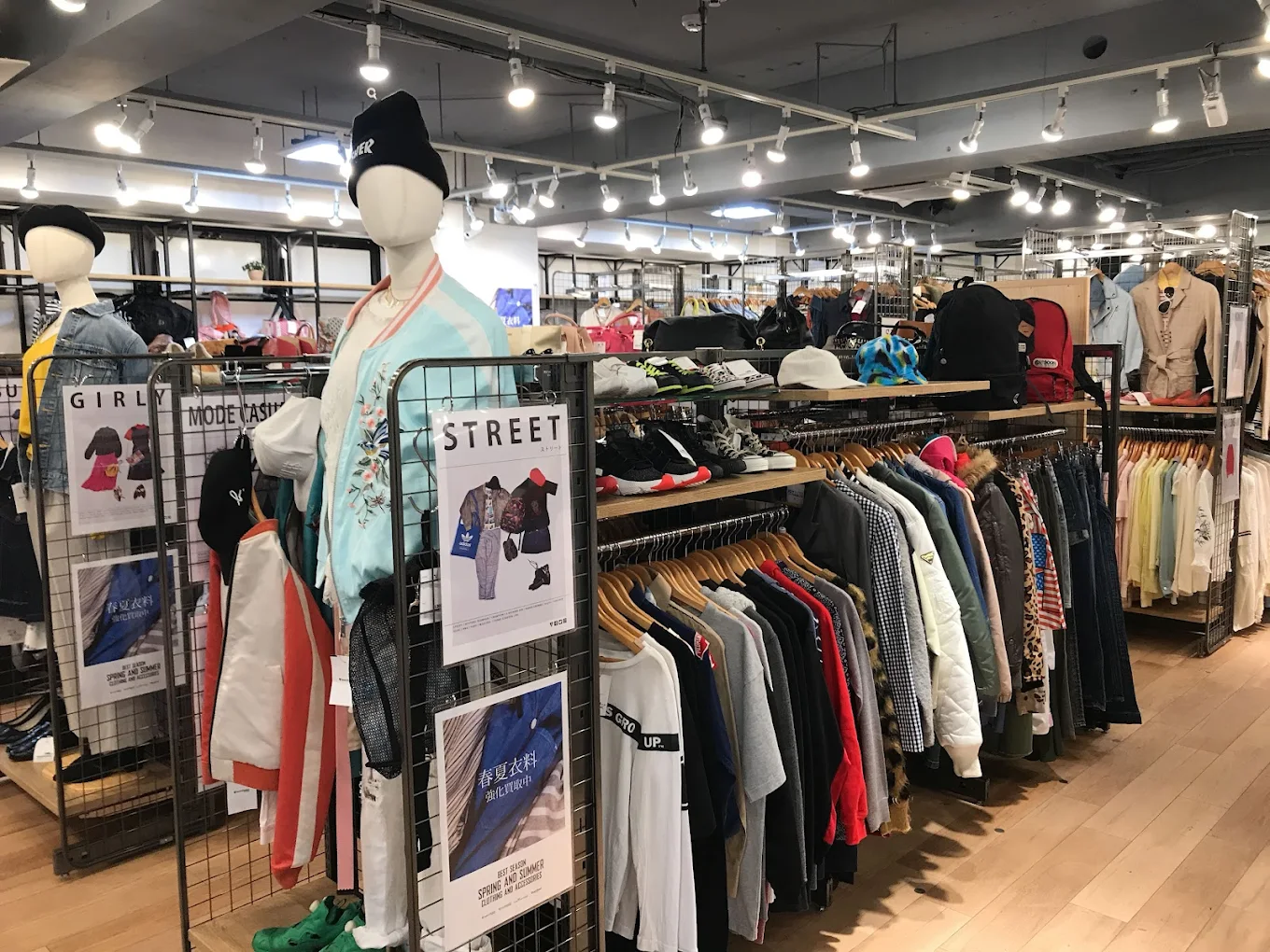
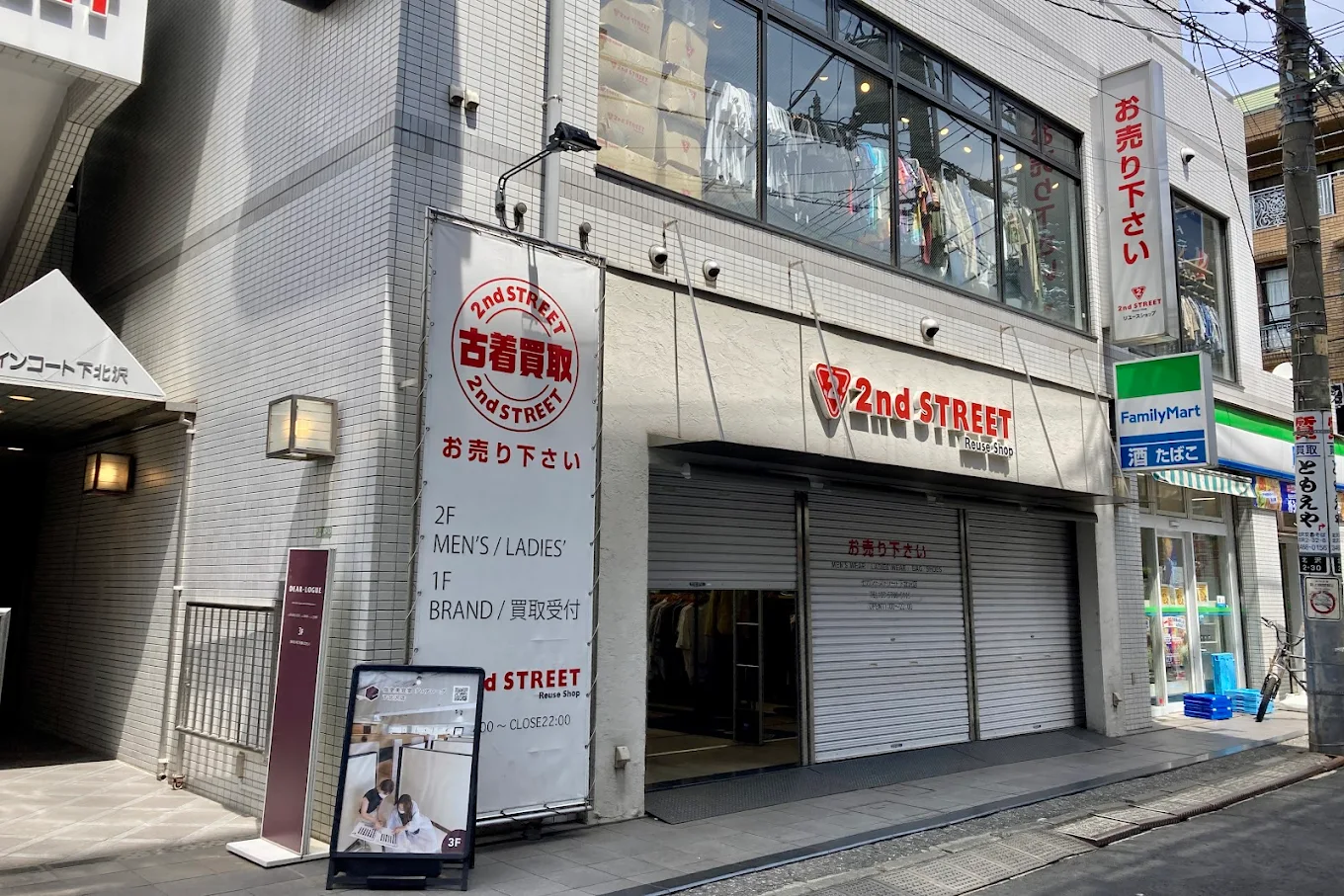
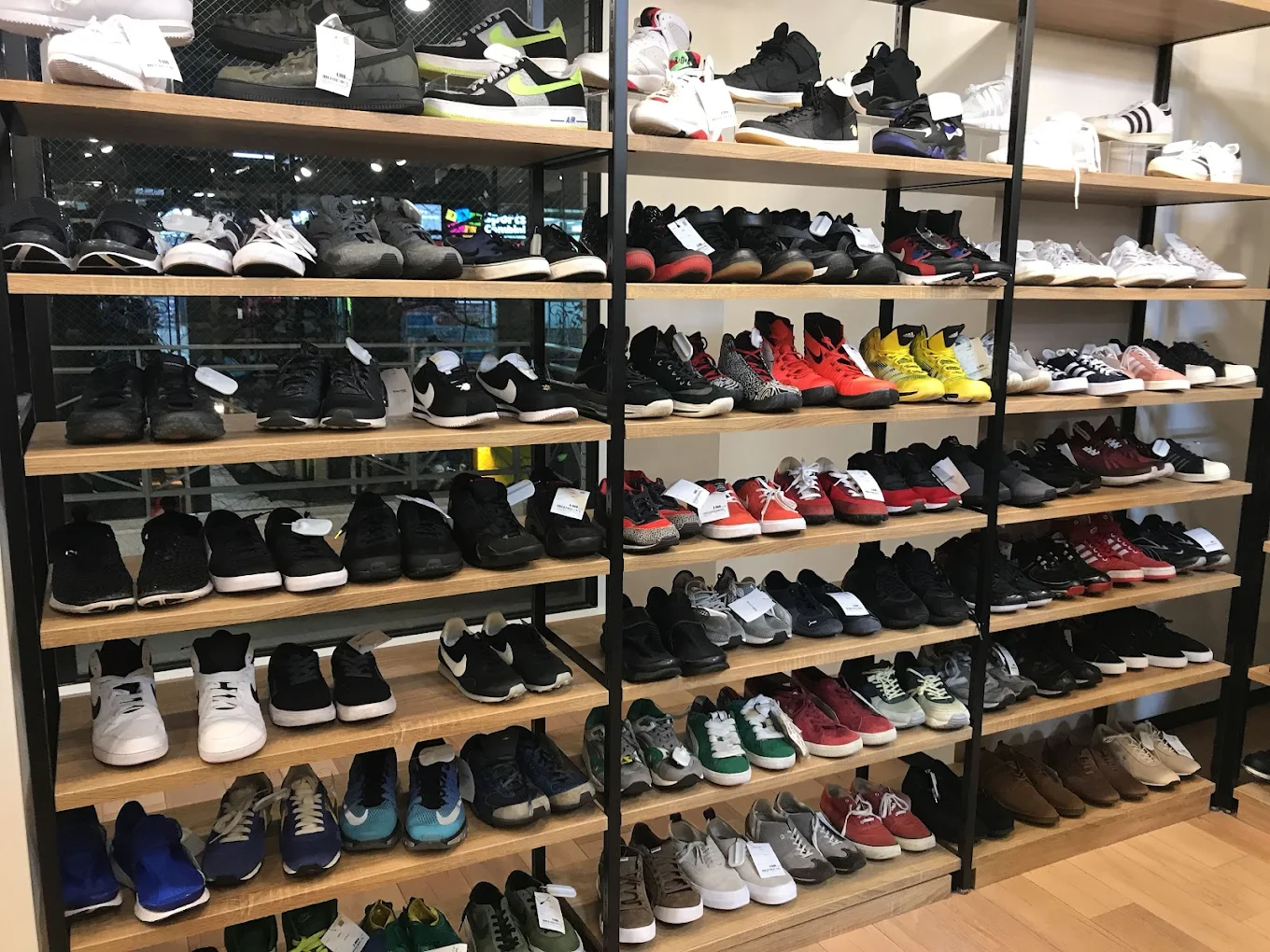
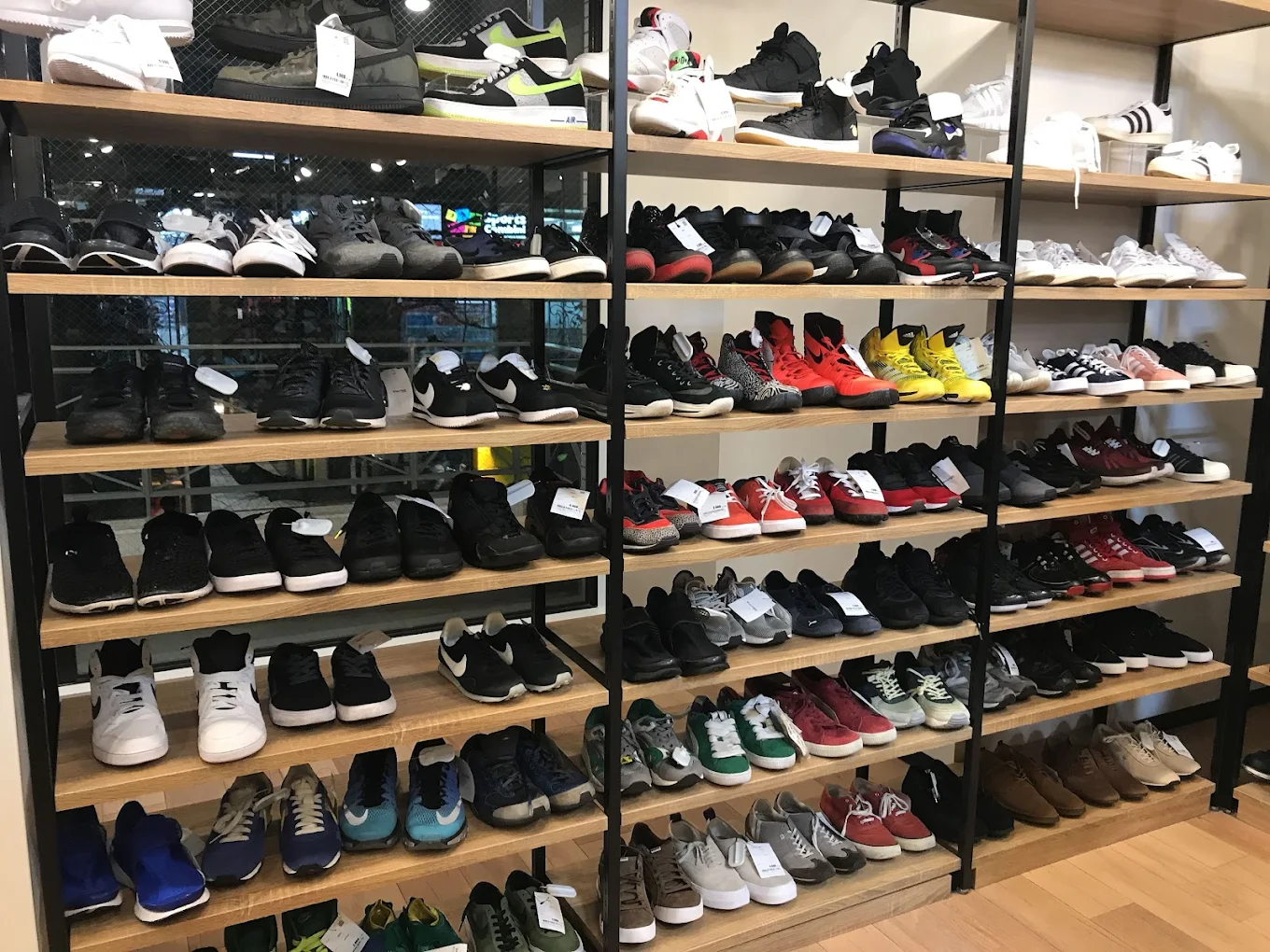
Other large second-hand chains include Treasure Factory and Bazz Store. Treasure Factory is steadier and categorizes their merchandise more thoroughly. This makes sorting through the mountains of clothes is even easier. It’s also my personal favorite.
Treasure Factory takes it one step further by properly tagging and labeling every item. It can get tedious wading through racks trying to find a jacket that fits, but here the tag tells you everything you need to know without having to climb halfway inside the garment to find out.
One particularly memorable find of mine was a tailor-fitted, custom Ermenegildo Zegna suit. Even better, it had belonged to someone with my exact height and build, and it fit like a glove. I can only imagine the store must sort through thousands of items, and somehow this one slipped past their “luxury” radar. That was the fastest I’ve ever decided to spend 12,000 yen.
Ever since, I’ve kept one eye out for another steal hiding among the masses, slowly building up a wardrobe of incredible pieces, some still with their original tags and never worn. Until now.
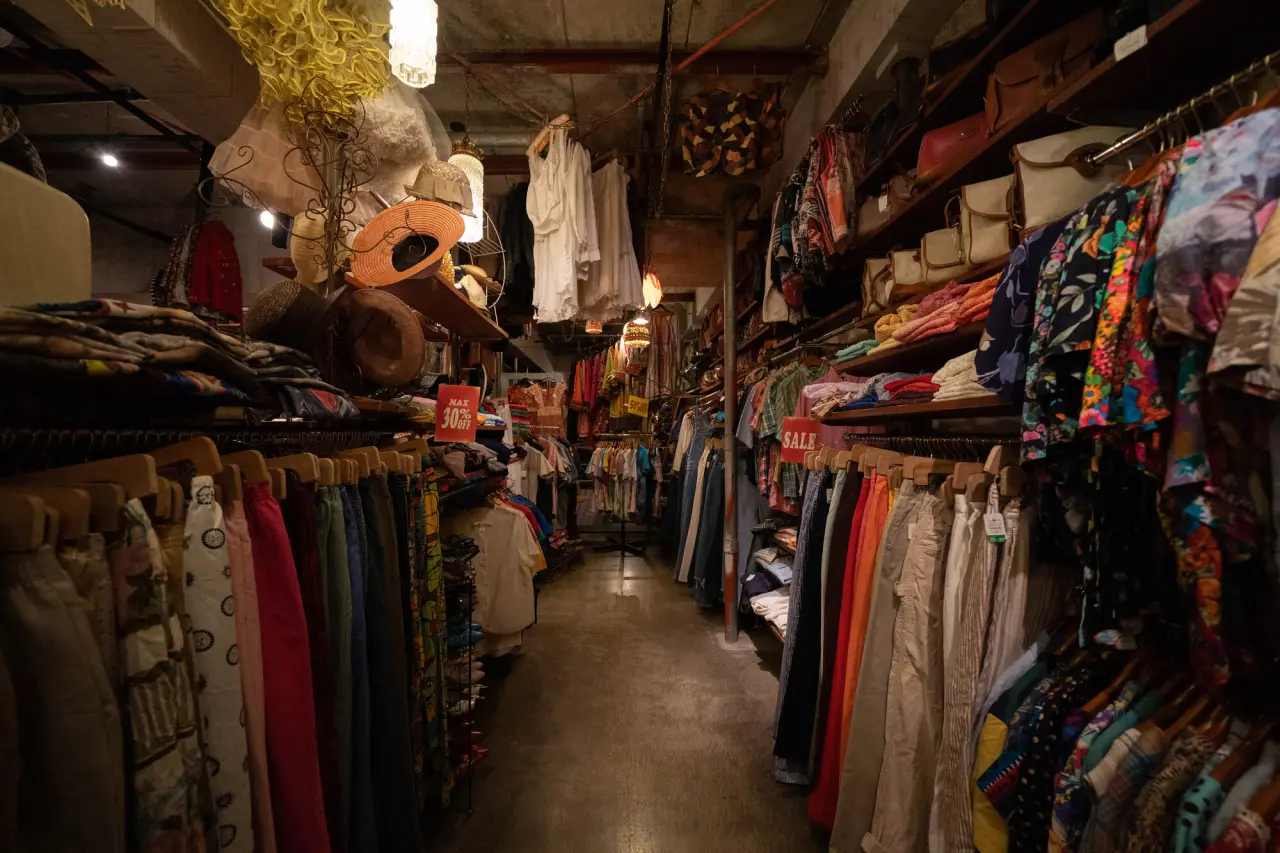
Apart from the chain stores, the smaller independent shops in Shimokita add another layer–or more precisely, several dozen of them. Some specialize in American vintage, with old Levi’s, worn-in leather jackets, and graphic tees from the 80s and 90s. Others lean toward European brands, suits or even used military wear.
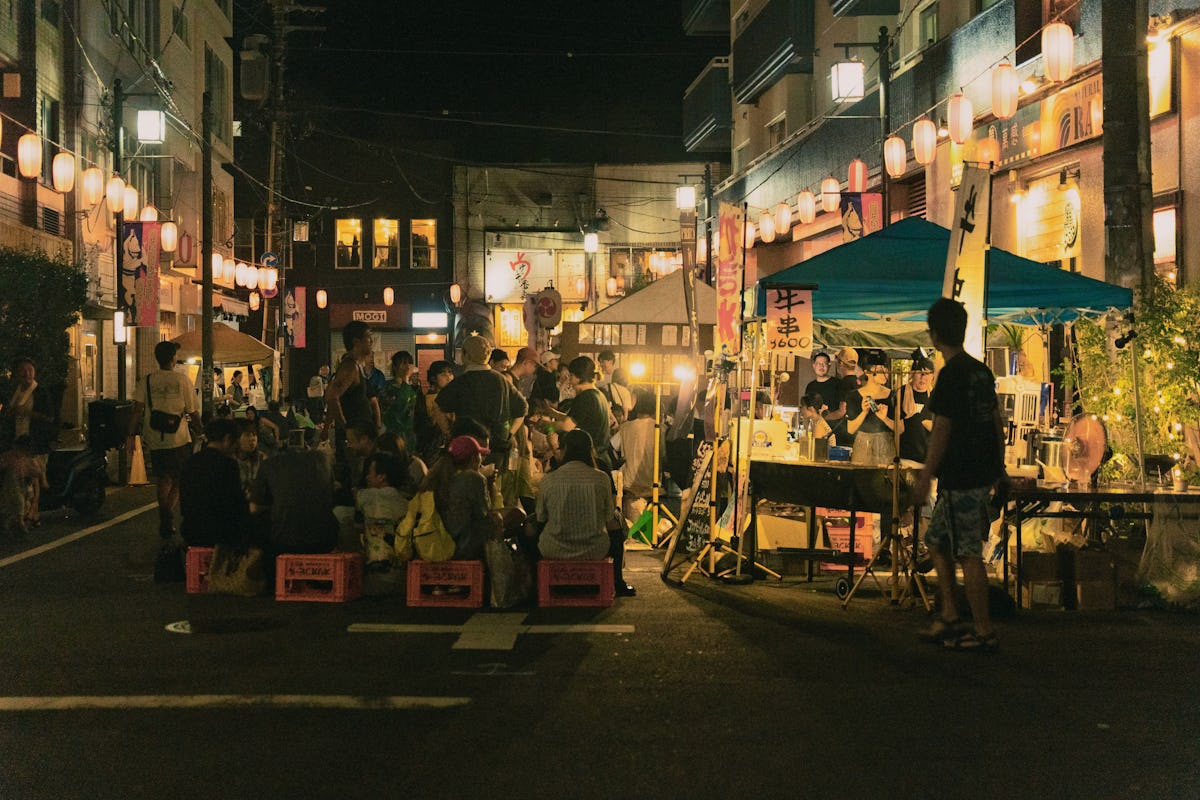
And then there are the cafés, bars, and tiny restaurants that knit the area together. After rifling through racks, slip into one of the many spots to suit your tastes. On the note of food, you can find many yakitori joints and small izakayas hidden in the alleys near the station. The air is filled with the scent of charcoal-grilled chicken skewers, music thrumming over the constant buzz of people enjoying the night.
As for the live houses, well, they’re deserving of an article in their own regard…
A few stops further west on the Chuo Line lies Koenji, a neighborhood that feels a little rougher around the edges than its sibling. If Shimokita is playful and artsy, Koenji is known for its punk rock roots and thriving music scene. Koenji is also a paradise for vintage clothing lovers.
The sheer number of shops here is staggering. Wander the covered shopping streets, or duck into side alleys, and you will find everything from small hole-in-the-wall vintage boutiques to multi-floor second-hand emporiums. Second Street and Treasure Factory are here too, but Koenji’s identity really shines in its independent stores.
The variety is incredible. One shop might focus entirely on military surplus, with camo jackets, field coats, and heavy boots lined up in neat rows. Another might look like a time capsule from the 1970s. Others are chaotic, with clothes piled high in baskets, prices scribbled on signs, and the promise of a 200-yen gem hidden somewhere inside.
The bargains in Koenji can be extraordinary. The mix of no-name and brand-name side by side, is what makes hunting for that gem here addictive. Every rack holds the potential for surprise.
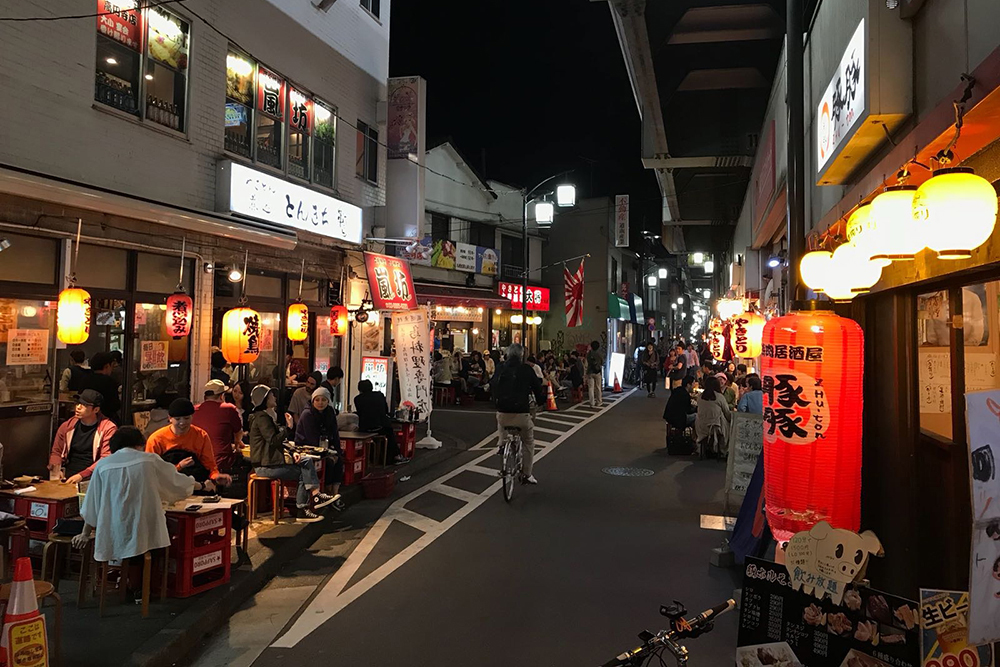
Beyond the clothes, Koenji’s nightlife is an attraction in itself. The neighborhood comes alive after dark, with alleys buzzing with energy. It is the kind of place where you go hunting for vintage clothes in the afternoon, then somehow find yourself staying out far later than you planned. Directly beneath the train tracks, with the concrete structure looming overhead, narrow streets are packed with restaurants, bars, and izakaya. Many of them spill out onto the road, their seats and tables create the feeling that you are walking through the establishments themselves.
Shimokitazawa and Koenji share a love for vintage and second-hand clothing, but they each have a distinct flavor.
Shimokitazawa feels trendier, a bit more polished, and has a larger presence of well-organized chain stores like Second Street and Treasure Factory. It is a great starting point for those who want the thrill of hunting for bargains without venturing too far off the beaten path.
Koenji, on the other hand, rewards the adventurous. The shops are more eclectic, the prices can be lower, and the vibe is edgier. If Shimokita is about playful fashion and coffee dates, Koenji is about exploration and continuing into late-night dining and drinking.
The best approach is not to choose between them, but to visit both. Perhaps, start in Shimokita for its approachable mix of chain stores and curated boutiques, then head to Koenji for the deeper dive, the bargain bins, and the unpredictable finds on your next adventure.
Whether you are after a cheap no-name t-shirt, a rare designer piece, or simply the experience of exploring Tokyo’s most character-filled neighborhoods, Shimokitazawa and Koenji deliver in spades.
<Content & Images>
All images not owned by WaWo Japan Travel were obtained from the following sources:
Article Written By:
Ben Bramhill
Travel Consultant at WaWo Japan Travel