
Wagashi is the generic term for traditional Japanese sweets. Its history dates back to the earliest periods of Japanese history, with close ties to tea culture. It flourished during the Edo Period (1603 to 1868), as urban life reached its peak, and the wagashi you see in Japan nowadays are said to have developed during this time.
Wagashi has changed over the course of time, greatly influenced by Western culture. The use of Western technology like ovens introduced a new style of wagashi, and Western-inspired sweets emerged onto the scene. While Western culture played a significant role in the development of wagashi, it also contributed to a gradual decline in their popularity among Japanese people. To pass on the traditional wagashi culture, artisans have developed new approaches that mix tradition with Western styles, thus creating wagashi that are enjoyable for Japanese and foreign visitors alike.
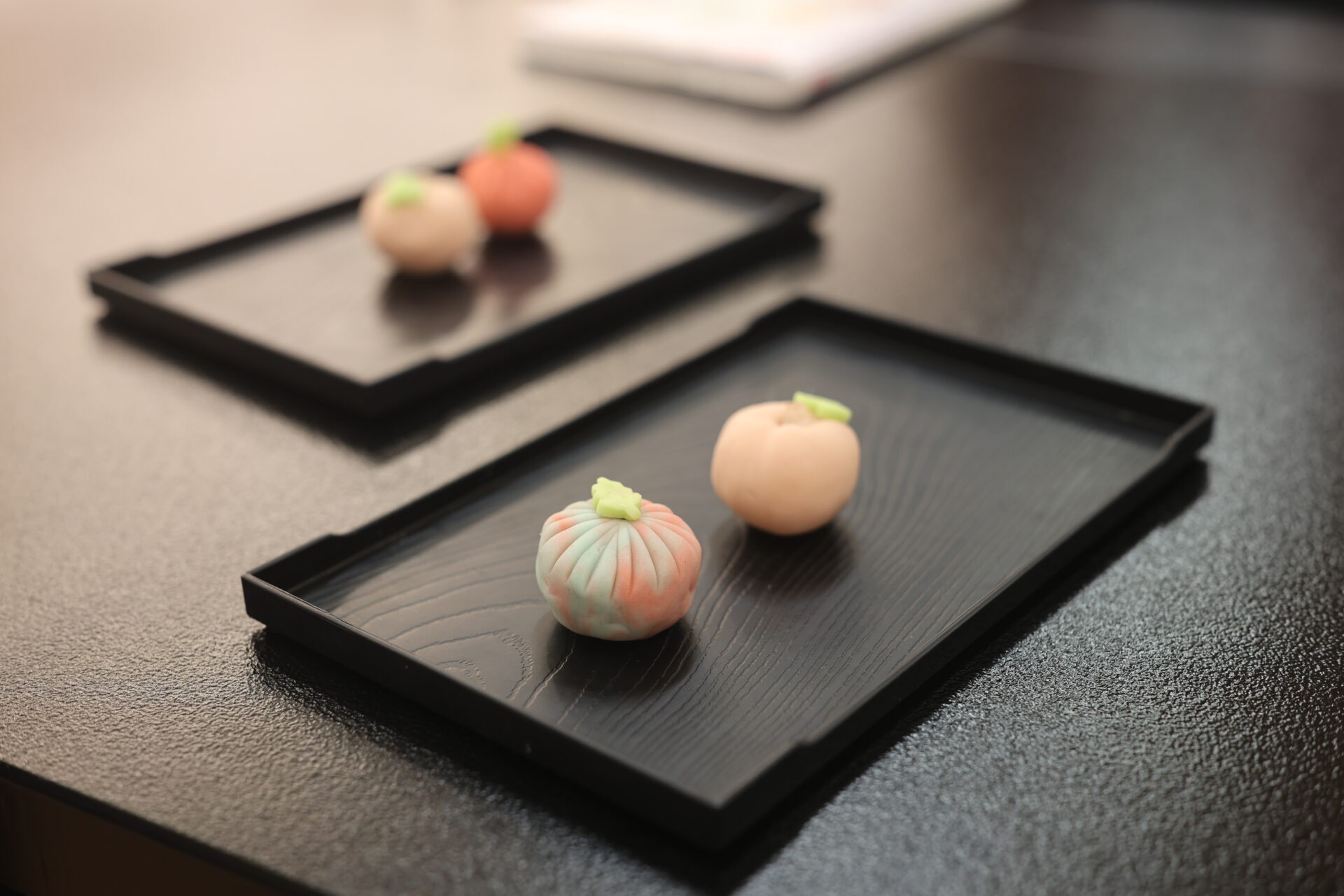
Just as Japan places importance on the four seasons, so does wagashi. The core ingredients are adzuki and white beans, rice flours, sugar, and kanten (Japanese agar), but these are joined by flavors, fillings, and shapes tied to each season. Currently, Japan is in the midst of its cherry blossom season, in which you are able to enjoy wagashi inspired by cherry blossoms.
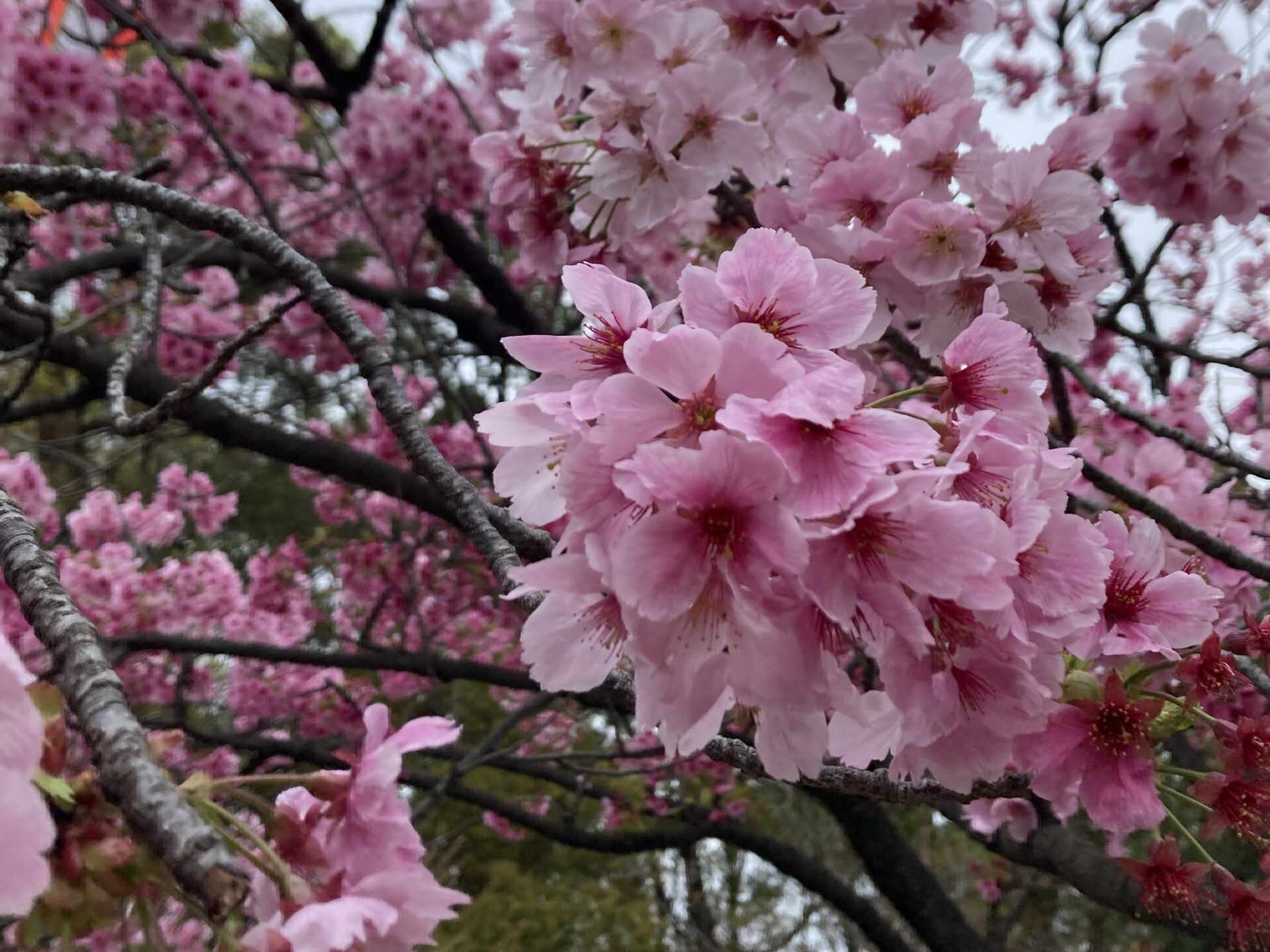
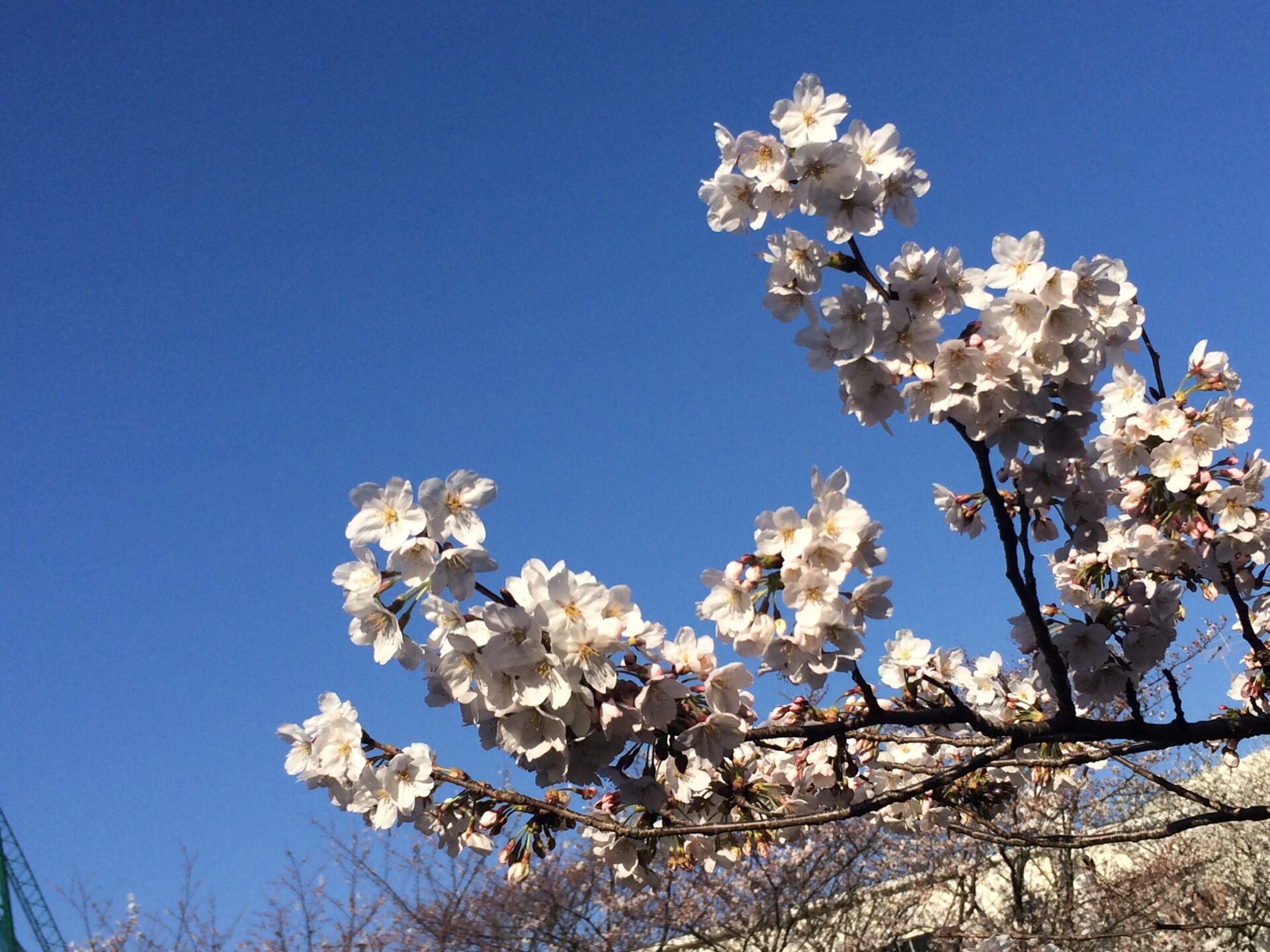
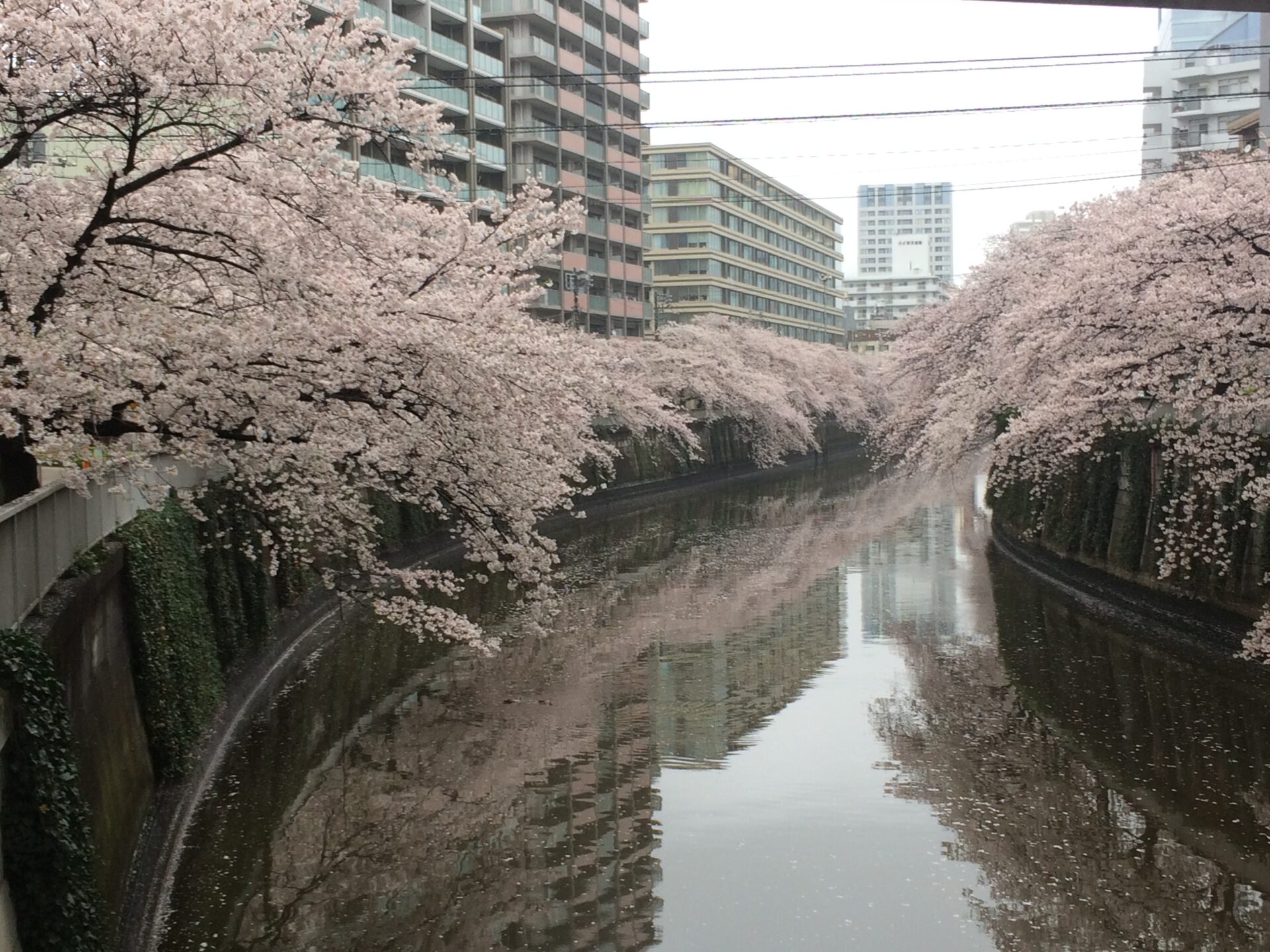
Here are some types of wagashi that are special to the Cherry Blossom season, as well as popular ones that are enjoyed at hanami gatherings, the Japanese tradition of admiring the beauty of cherry blossoms.
Nerikiri is the most traditional type of wagashi, which flourished in the Edo Period and were paired with green tea during tea ceremonies. They are primarily made with white bean paste, rice (more specifically, a glutinous rice flour called shiratamako), sugar, and water. They are colored using natural colorings like beetroot and matcha. Each is a piece of edible art, as they are beautifully and intricately handcrafted by wagashi artisans. They represent the seasons through not only their flavors but their appearances too, with some being too pretty to eat.
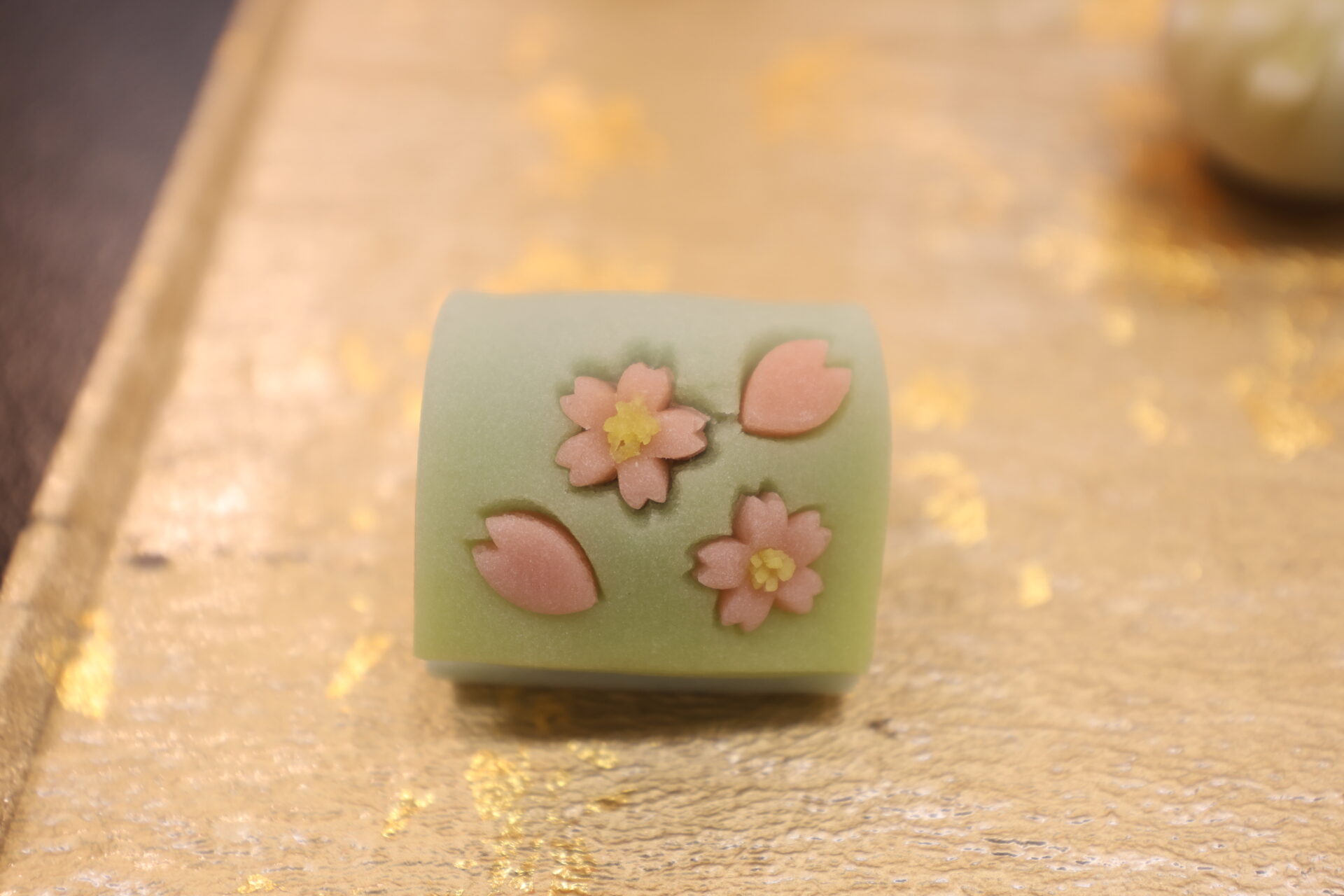
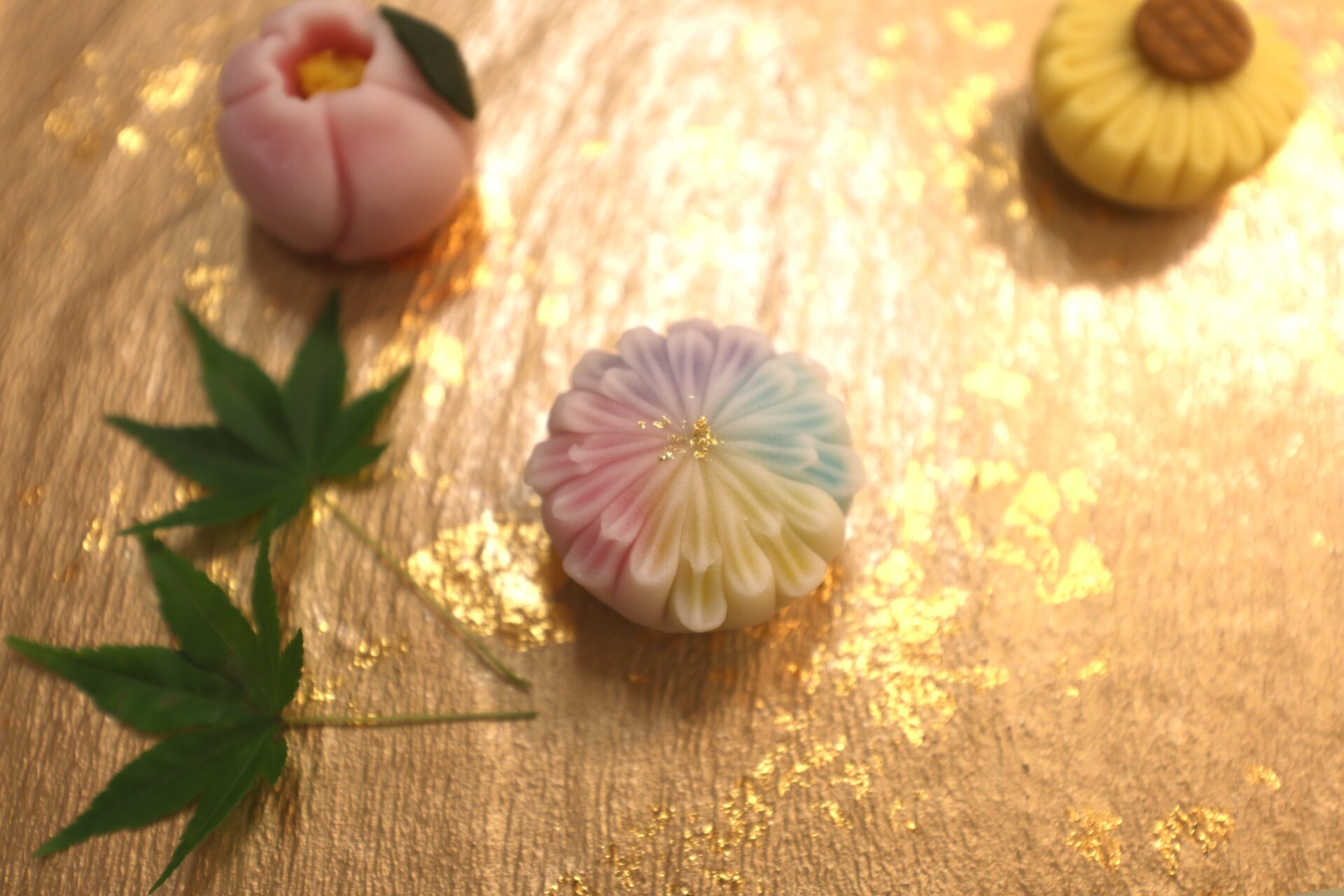
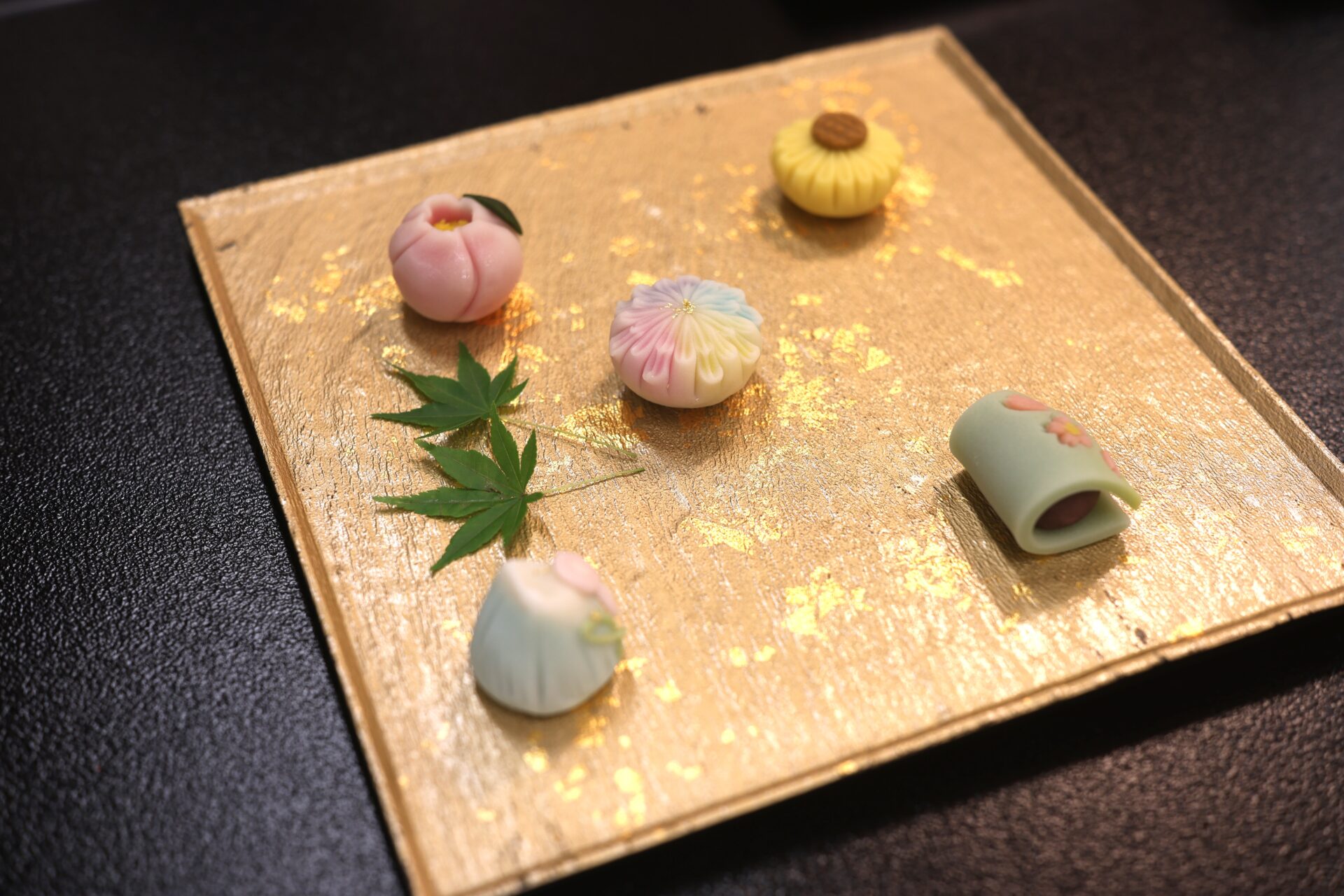
One of the most famous and prestigious wagashi makers in Japan is Toraya, founded in the 16th century. They have stores throughout Japan, but a visit to their flagship store in Akasaka will be unforgettable as you can witness and enjoy their elegant nerikiris.
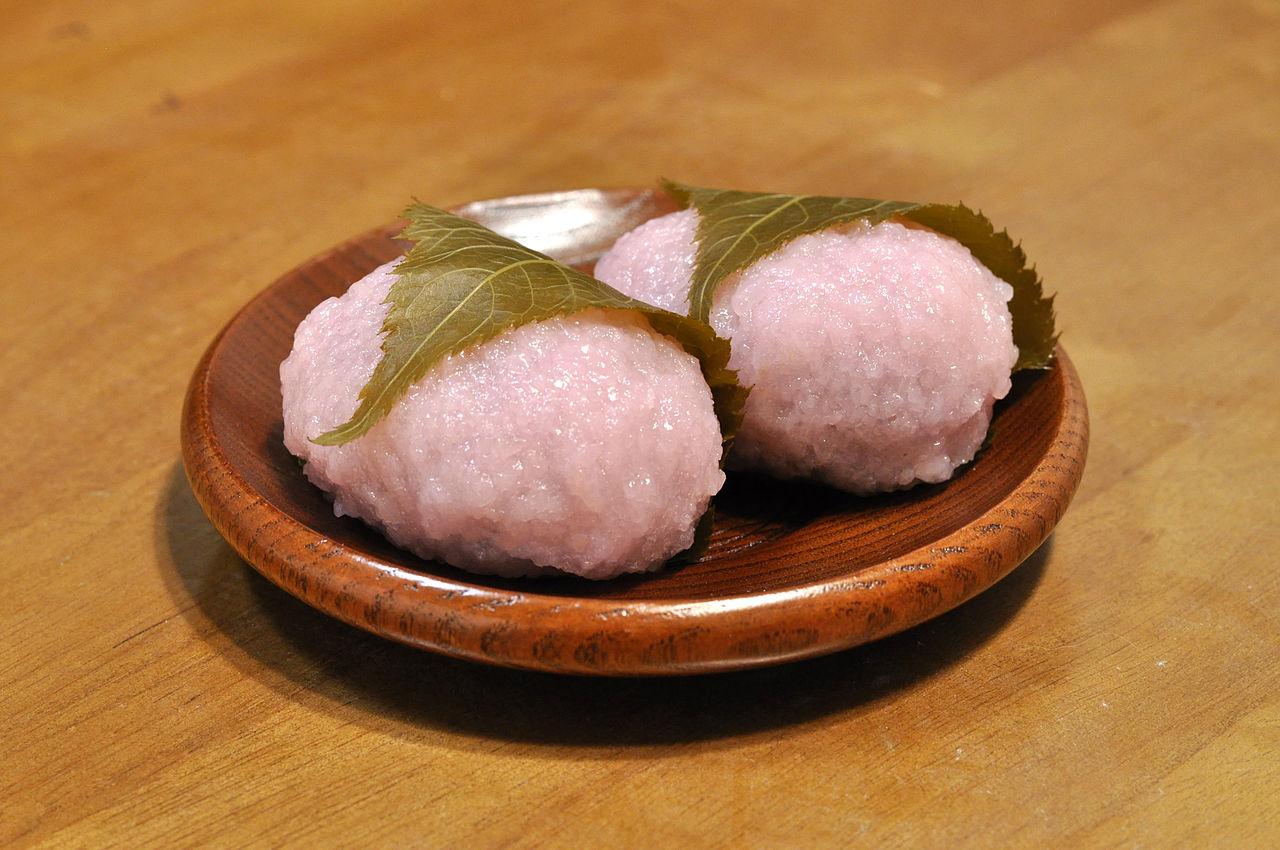
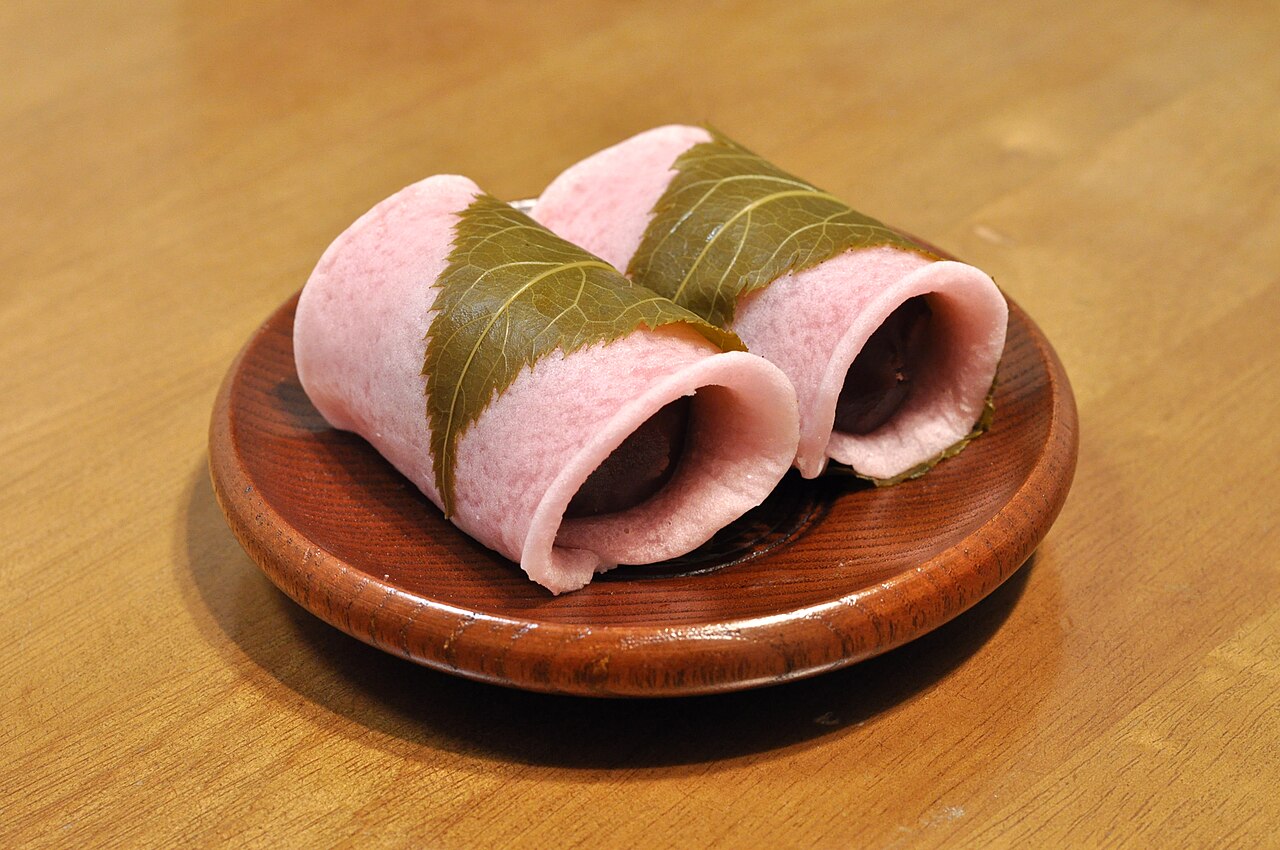
Sakuramochi is a classic rice cake enjoyed during the cherry blossom season. The rice cake is a light pink color filled with sweet red bean paste, and wrapped with salted cherry blossom leaves, making it sweet and salty at the same time. The saltiness is distinct though, so if it doesn’t seem to fancy you, don’t worry, just take the leaf off before eating it. I usually do so as the taste is quite strong.
Depending on the area it was made, sakuramochi changes its look. In the Kanto area, the rice cake is smooth and thin like a crepe, while in the Kansai area the rice is chunky and round. If you visit the food section at department stores like Shinjuku Isetan during this season, you’ll be able to find both!
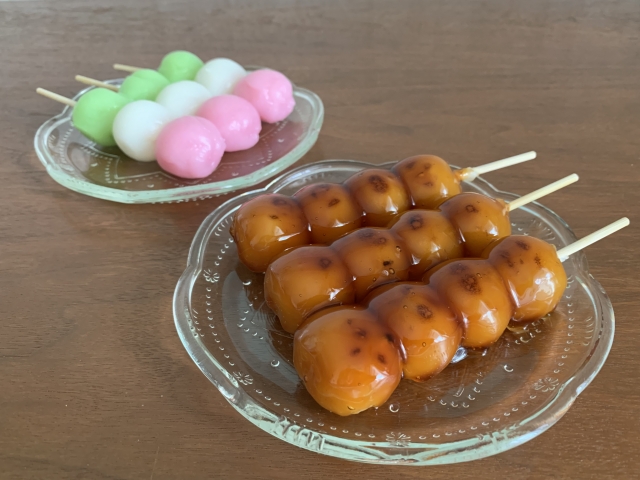
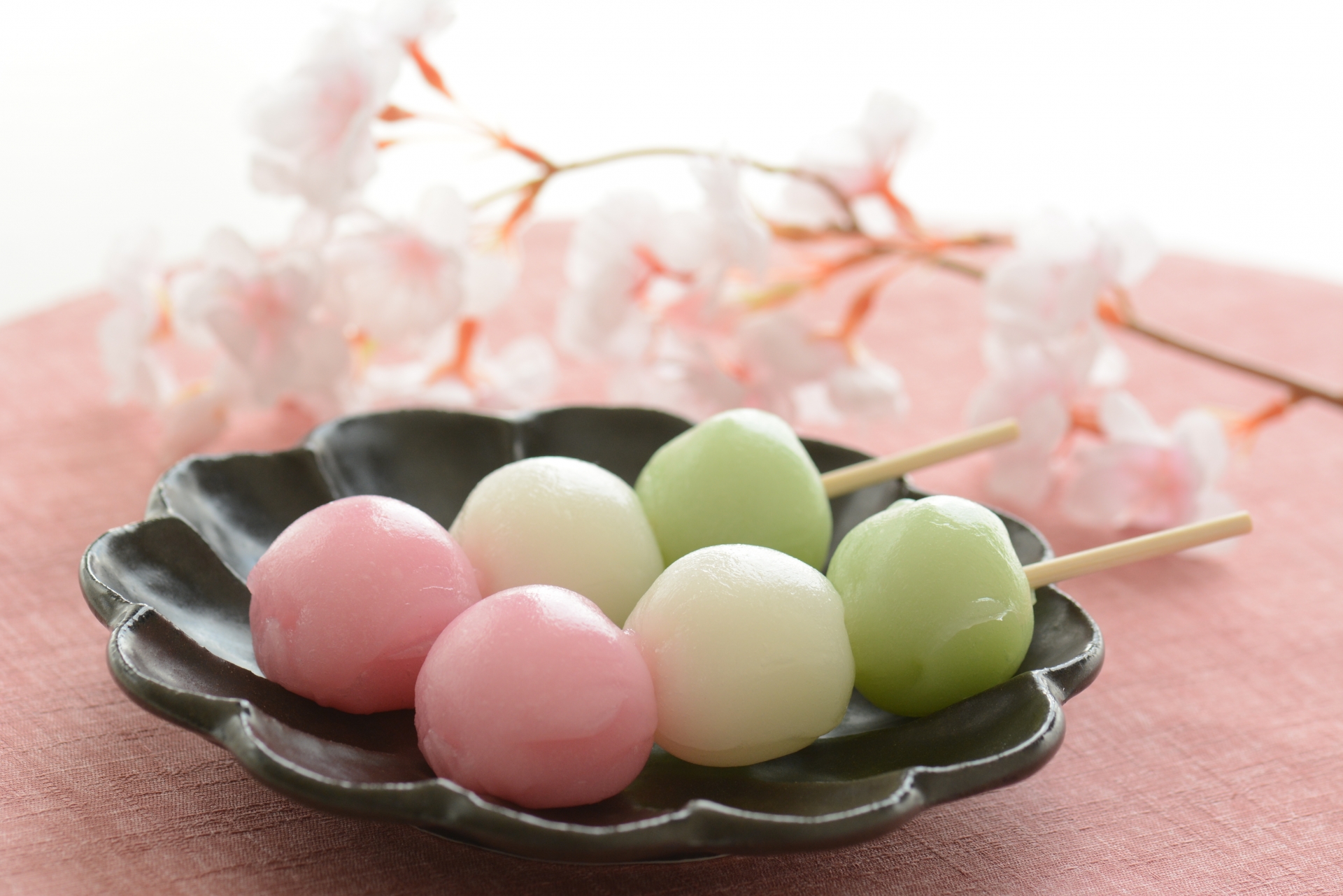
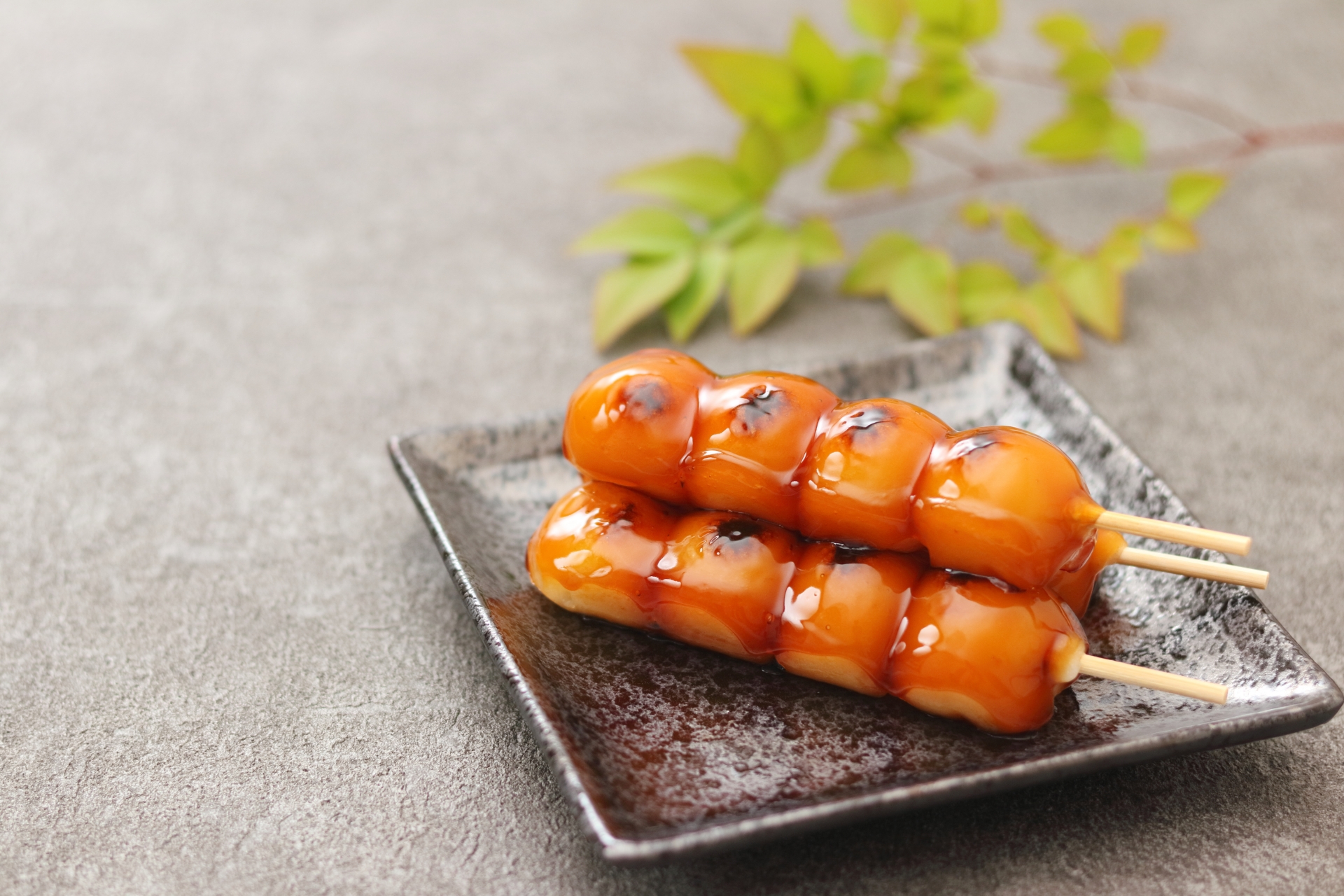
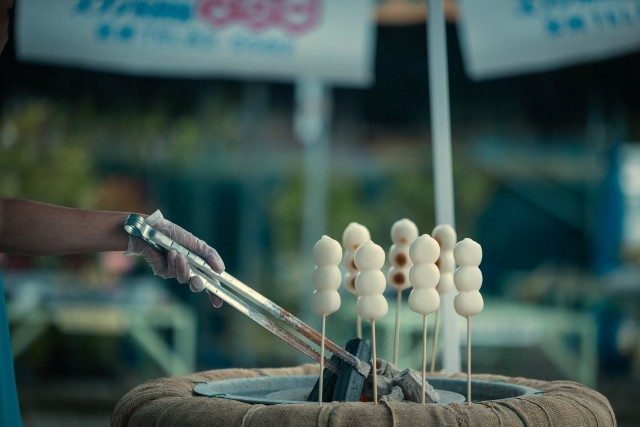
Dango is a must-have wagashi, when it comes to enjoying the cherry blossoms outside. Made with rice (shiratamako) and enjoyed on a skewer, the most popular and well-known is the Mitarashi Dango, which is glazed with a sweet soy sauce and found all year round. If you’d like to try something related to spring, I recommend trying the Hanami Dango, which are three-colored rice dumplings that celebrate the arrival of spring. Each dumpling has a meaning to its color; the pink resembles sakura, the white resembles snow and the end of winter, and the green resembles fresh new leaves of spring. If you visit shopping streets like Asakusa, Kyoto, or other local areas, you’ll find dango stores grilling their dango over a wire rack, which is the authentic style of grilling dango.
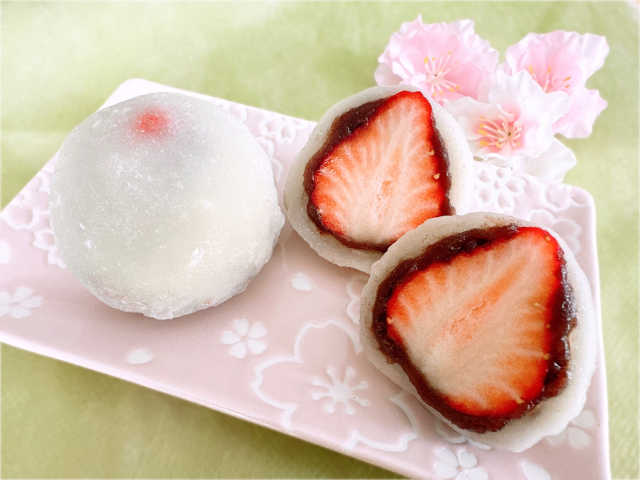
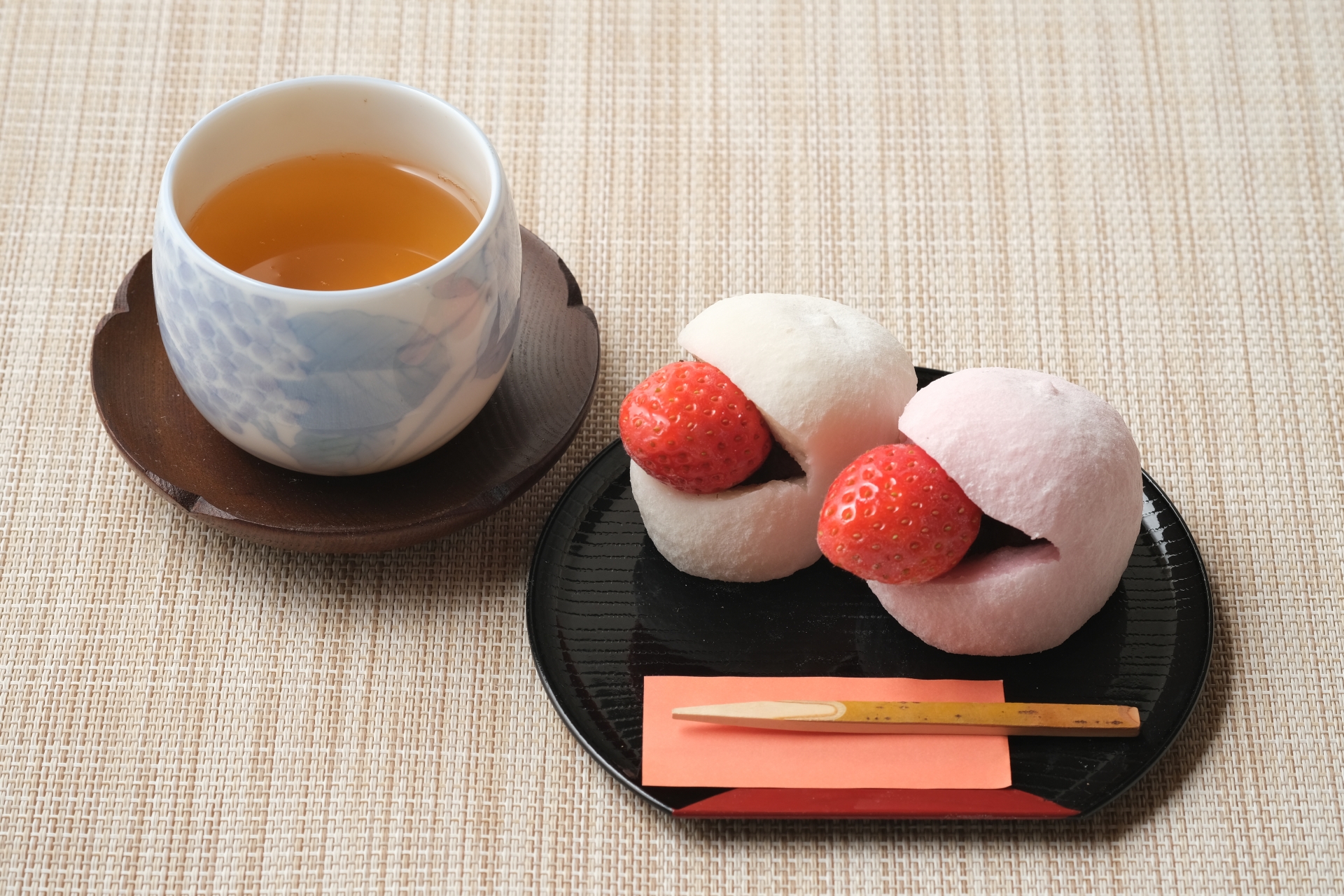
Daifuku is a soft mochi filled with red bean paste. There are many varieties of daifuku; ones decorated with red beans (mame daifuku), ones with fruits inside (fruit daifuku), ones with other fillings like matcha paste, chocolate custard, or even ice cream. The one that is accompanied with a strawberry (ichigo) is ichigo daifuku and is sold during the winter till early spring, meant to signal the arrival of spring. Depending on the store, the filling and how the strawberry is placed is different. The most traditional one is where the strawberry is wrapped inside the daifuku, but you can also find ones where the strawberry peeks through.
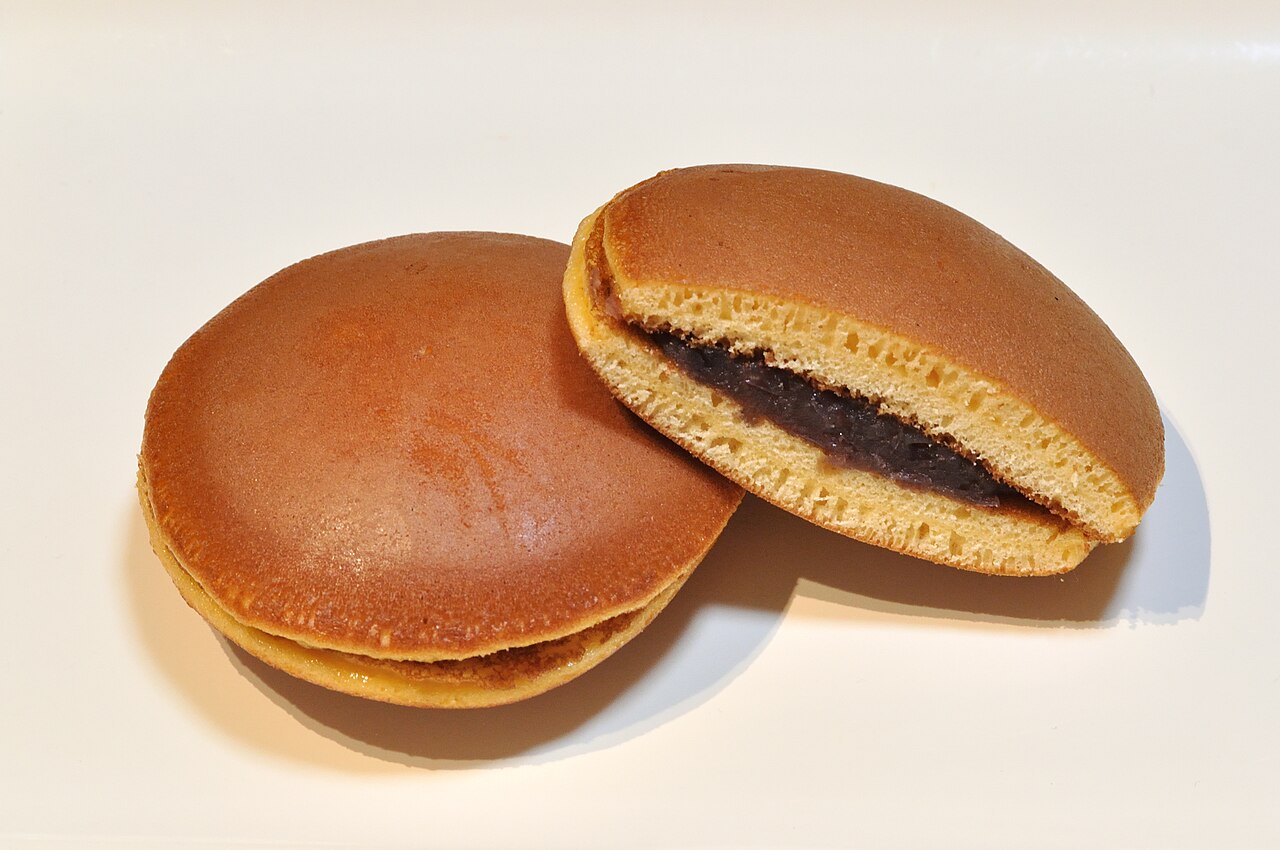
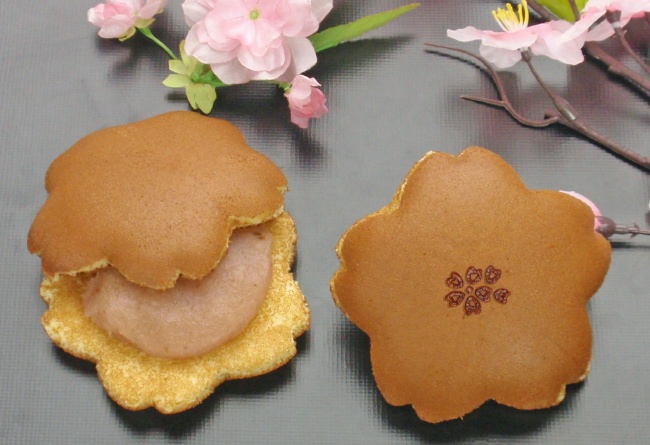
Dorayaki is a popular sweet made of two fluffy pancake-like cakes filled with sweet red bean paste. It is so popular you can find it almost anywhere, and can find a variety of fillings too. March welcomes sakura inspired dorayaki, from sakura flavored anko paste filling to sakura shaped dorayaki (the sakura shaped dorayaki is from Aono Sohonpo in Roppongi.) Seasonal versions like these show how even familiar sweets can reflect the changing seasons in Japan.
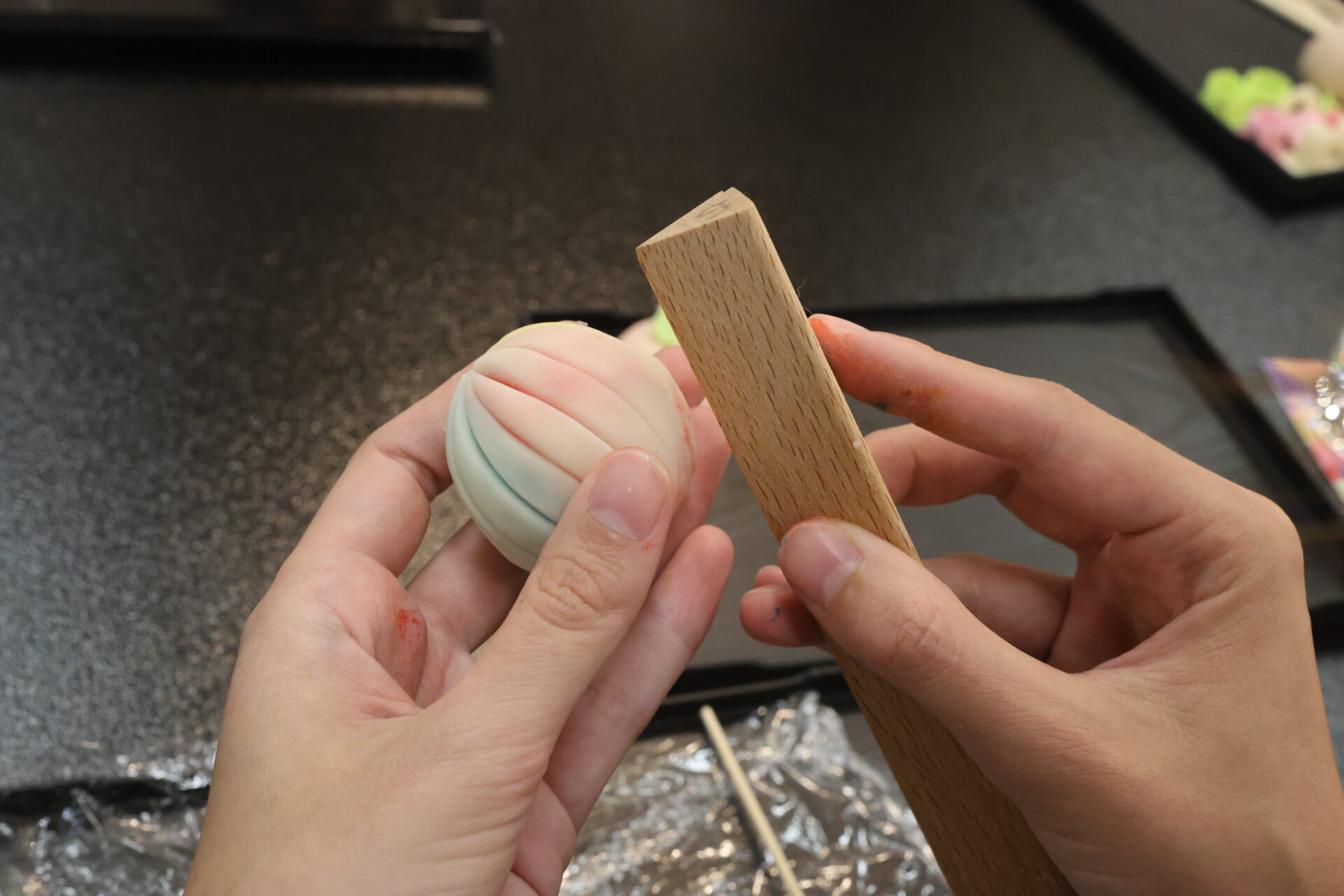
You can also participate in workshops to experience the art of making wagashi. They usually offer an opportunity to make nerikiris; I participated in one and was able to learn not just about wagashi but about the flowers of the season, which gave me a better understanding of how important the four seasons are in Japan.
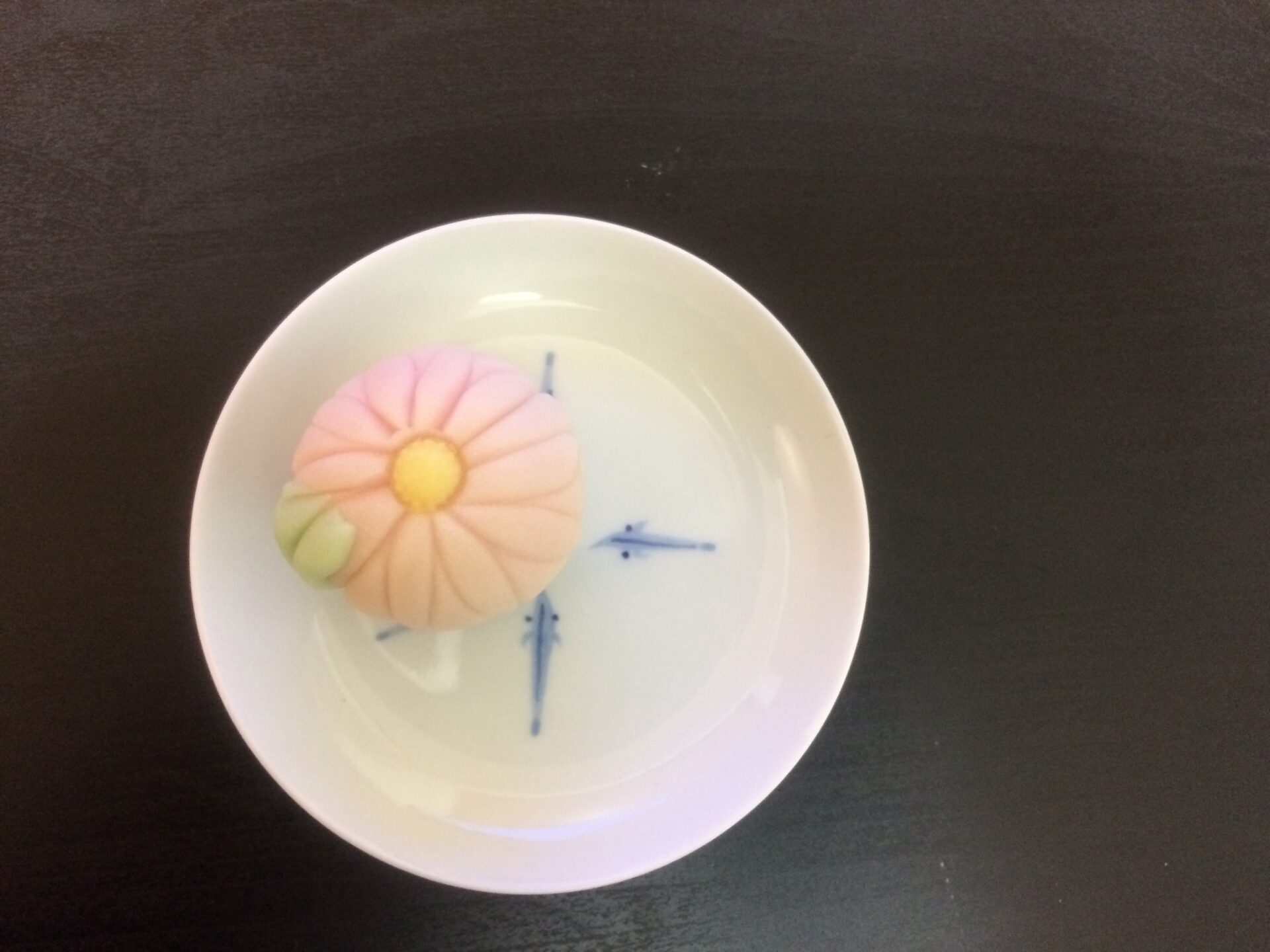
To enjoy wagashi in the most authentic way, visiting a wagashi specialty store would be best, as wagashi are displayed as if an artwork. But most of these specialty stores are traditional and a noren curtain marks the entrance of the store, so if it feels like a bit too much to step in, you are also able to find them at supermarkets and convenience stores as well.
Whether enjoying it through a workshop or just buying it from a store, enjoying wagashi is a sweet way to discover Japanese culture!
<Content & Images>
All images not owned by WaWo Japan Travel were obtained from the following:
Aono Sohonpo
<Author>
Saori Futsukaichi
Travel Consultant at WaWo Japan Travel