
As a Japanese brought up in the states, fireworks were a symbol of celebration to me. But after visiting my grandparents in Japan during summer vacation, I found that fireworks can be enjoyed in everyday life here at a nearby park or even in your own backyard.
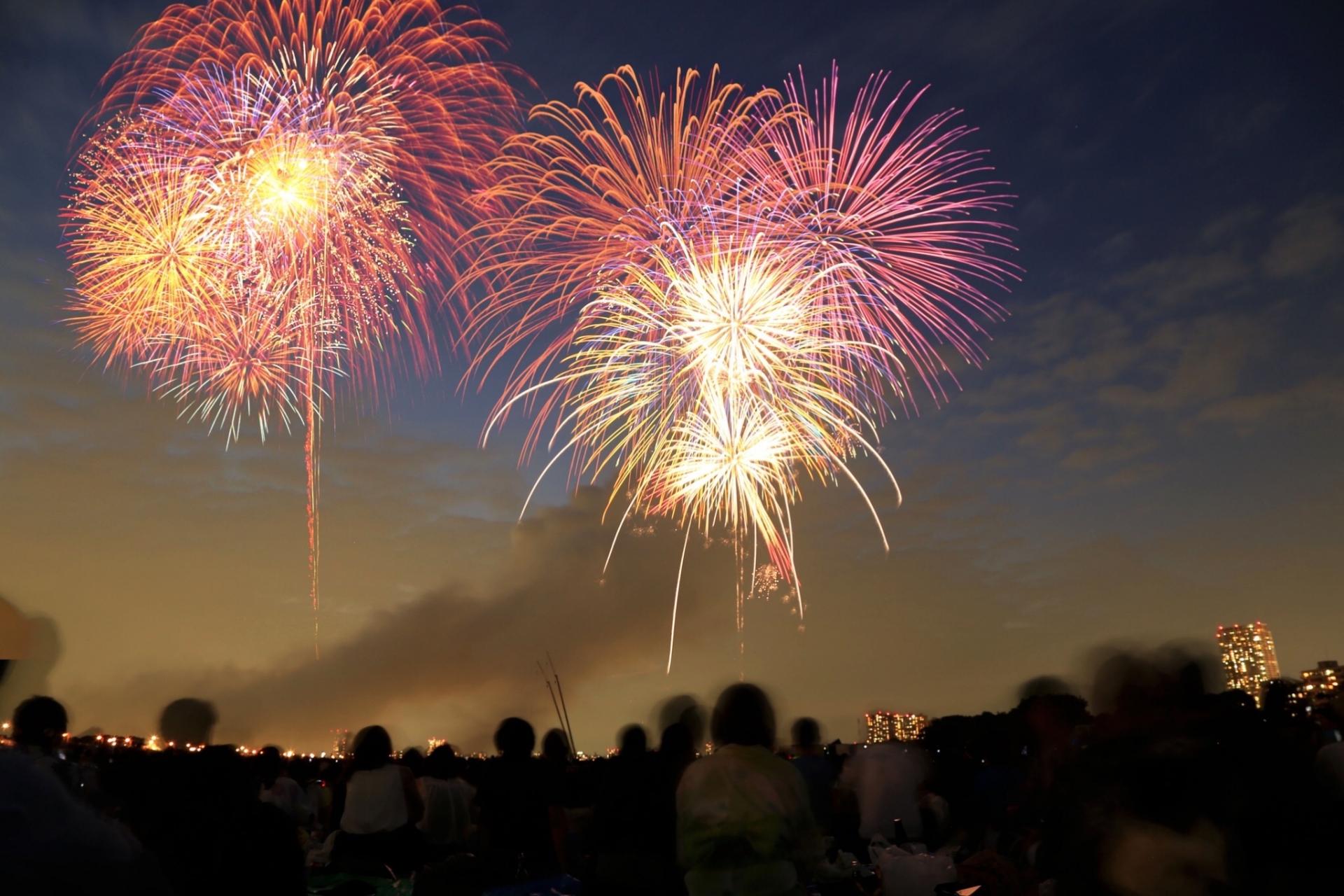
During the summer, Japan celebrates the season with firework festivals held throughout the country. The first ever firework festival was the Sumida Fireworks, which started in 1733. It acted as a memorial to pray for those lost by famine and disease the year before, and still takes place today as one of the highlights of Japan’s summertime tradition.
From traditional Japanese flowers to colorful smiley faces, each firework is handmade by artisans and awes viewers who gather from around the country and even overseas.
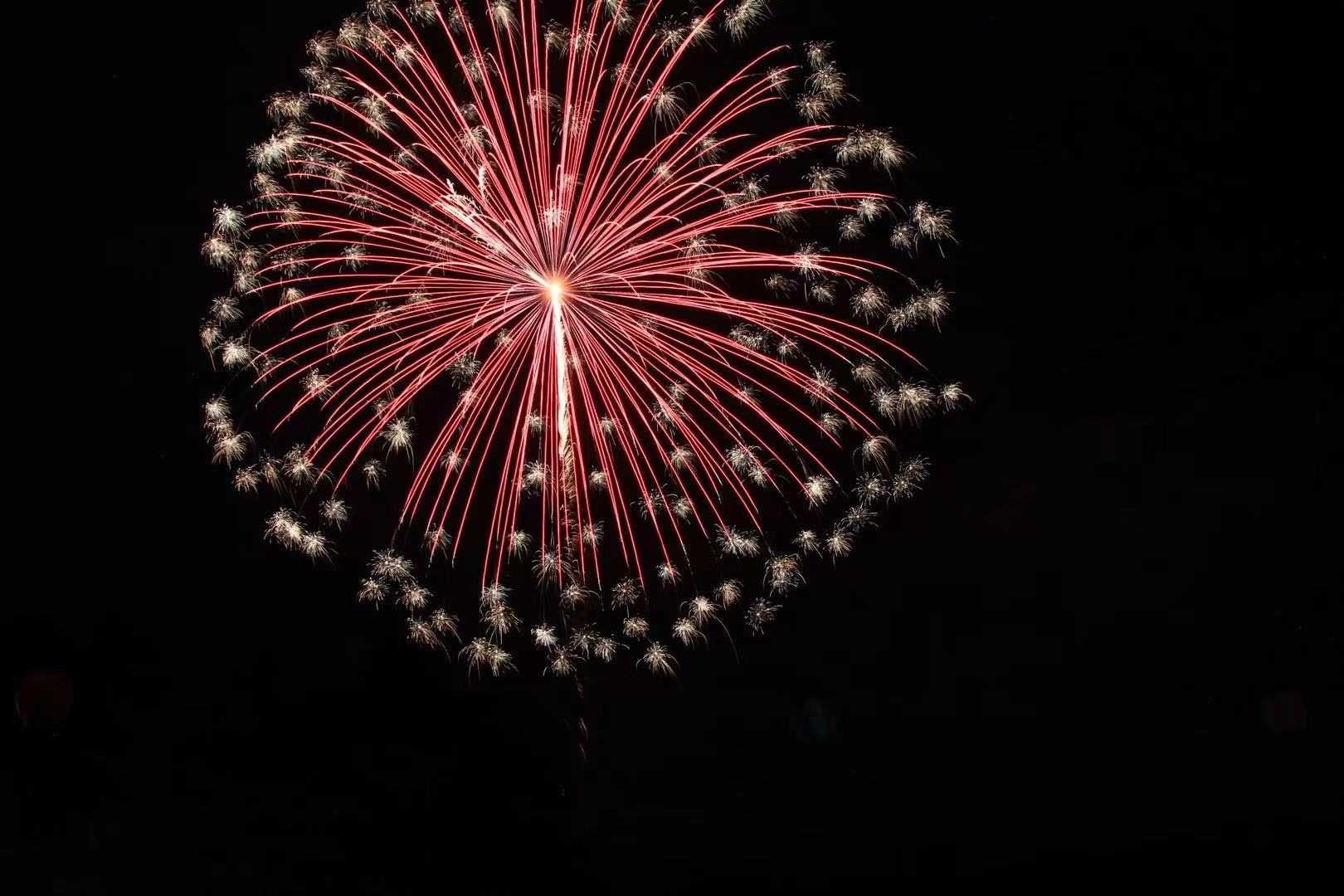
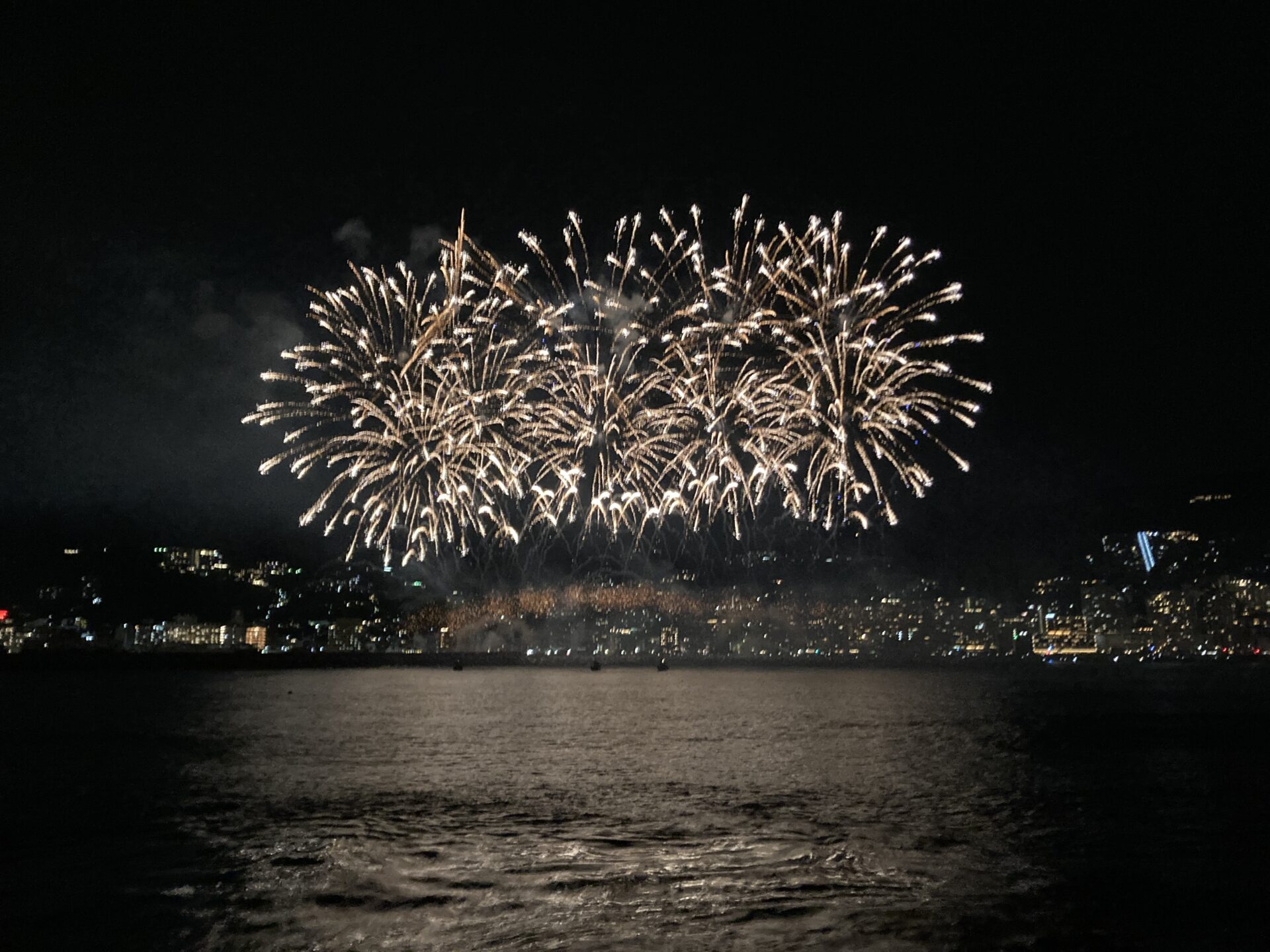
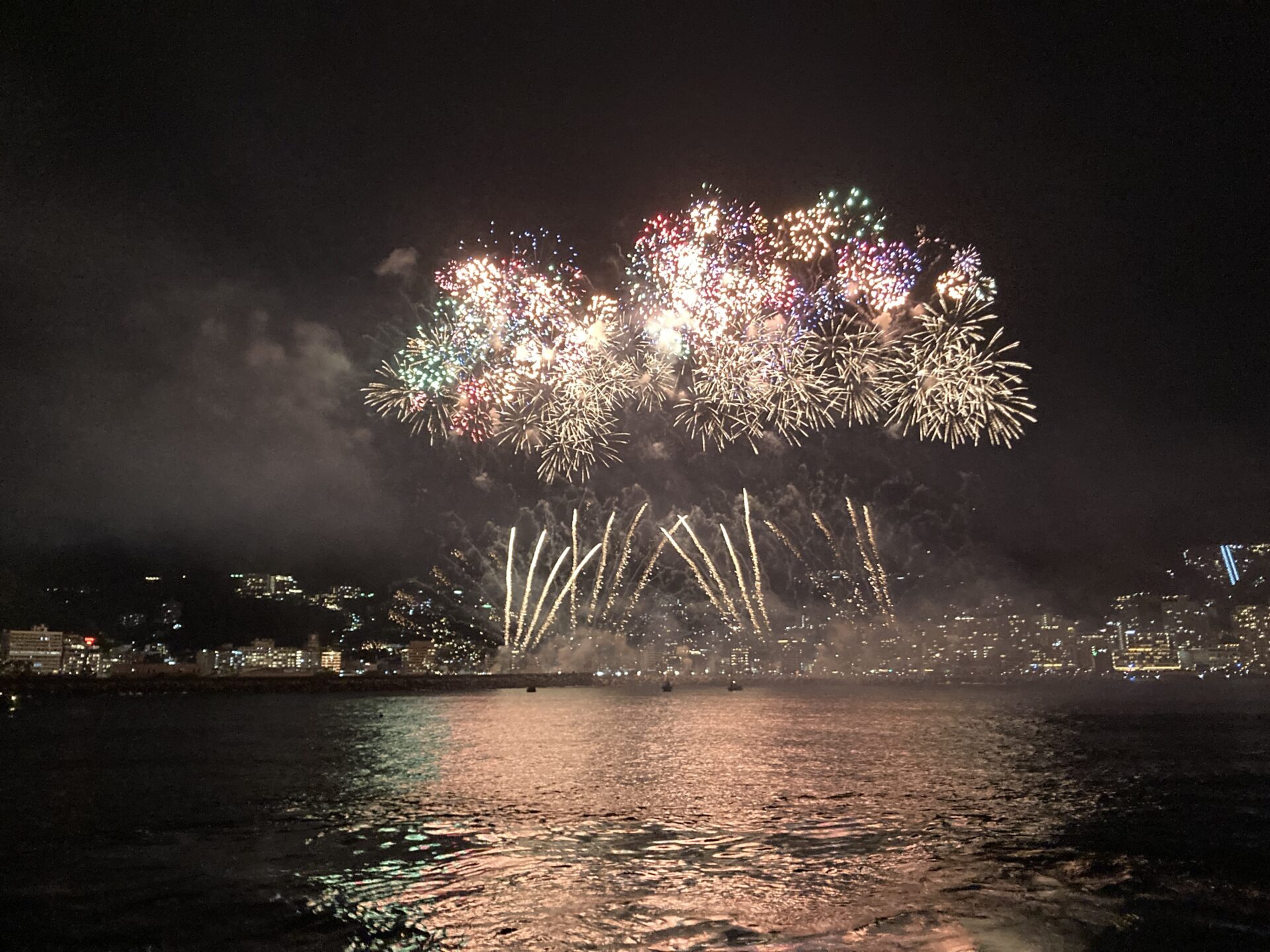
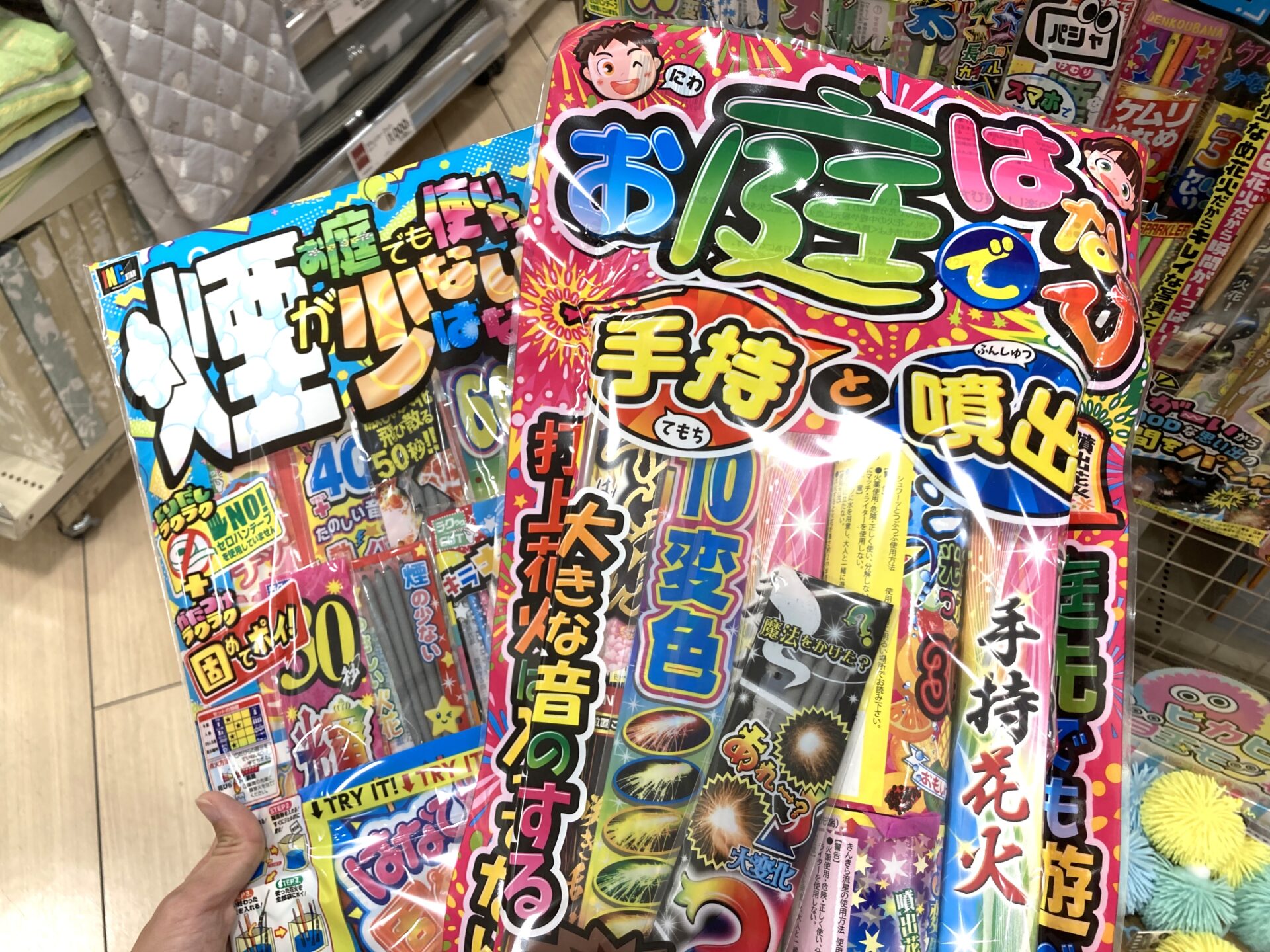
It’s definitely worthwhile to go to a fireworks festival if you haven’t been, but locals also enjoy them in the quiet moments of their daily lives. In Japan, small fireworks (both handheld and aerial) are allowed to be set off at home. When summer approaches, places like supermarkets and convenience stores start selling them for people to enjoy with their family and friends.
With a bucket of water and a candle to light the fireworks, I’ve enjoyed handheld fireworks at a nearby park, my grandparent’s backyard, and in the streets, as well as small aerial fireworks at the beach. We had to take caution so the smoke from the fireworks would not disturb others nearby. Sound wasn’t a concern though, as these small Japanese fireworks don’t produce the cacophony of cracks and pops you might imagine. They’re meant more for quiet gazing, creating a serene and intimate space that made–and continues to make–summer nights in Japan special.
The joy of handheld fireworks is to witness the colorful fireworks sparkle right from the palm of your hand. Because you can’t predict in what color and which way the firework will sparkle, it’s both exciting and thrilling at the same time. It sometimes shoots your way when lit, which scares little ones.
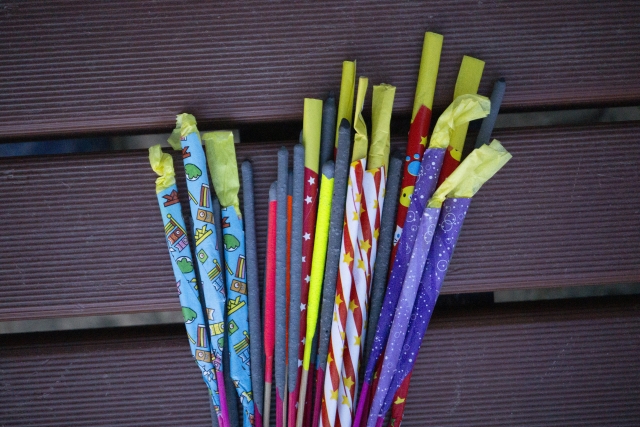
Of all the different handheld fireworks, there is one that holds a special place. Known as senko hanabi, its root goes back to the Edo Period when the samurai ruled. It so happens that the regions widely known for their production of fireworks were all home to powerful samurai, which meant they were well equipped with gunpowder, the essential material in making fireworks.
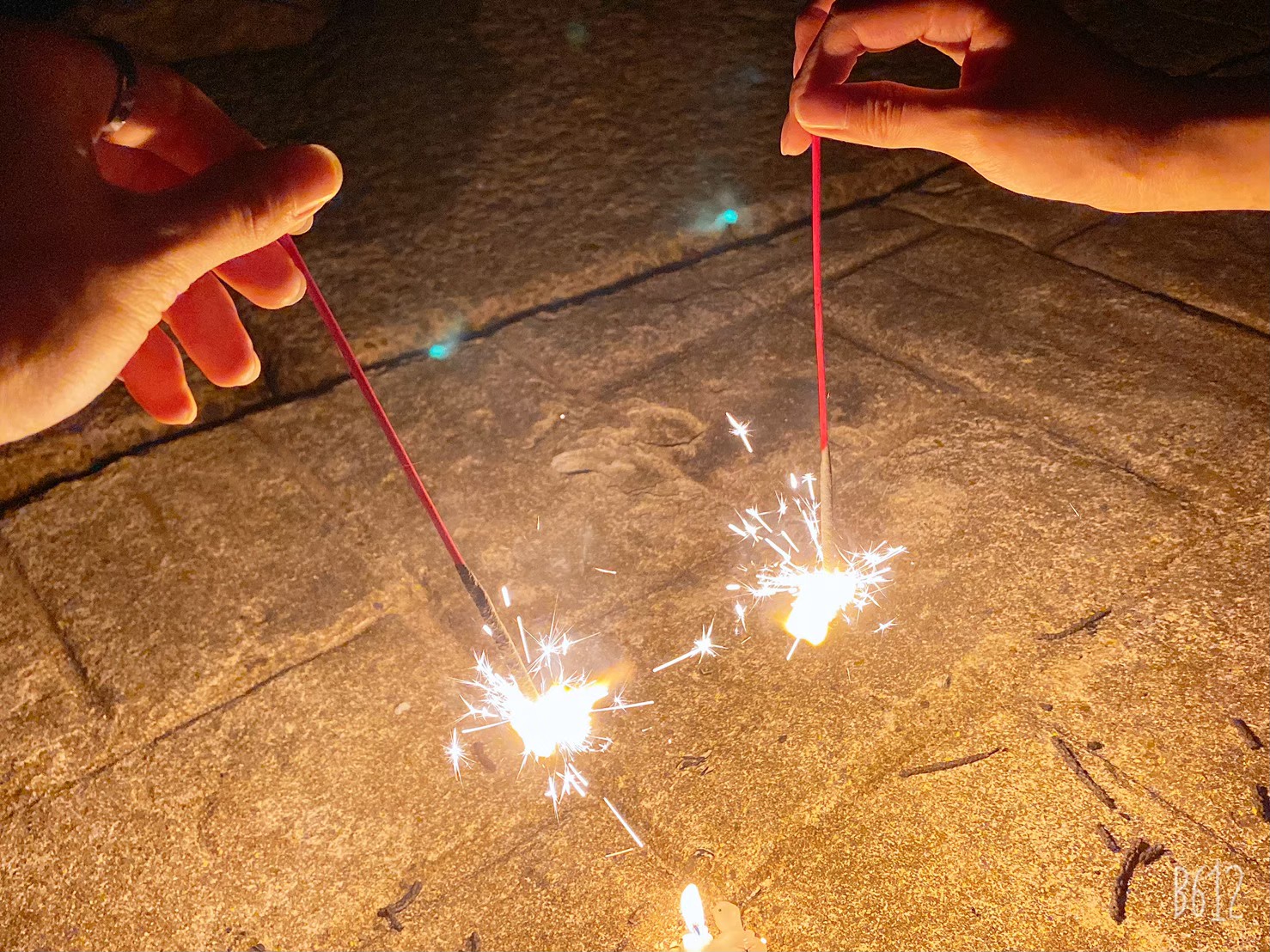
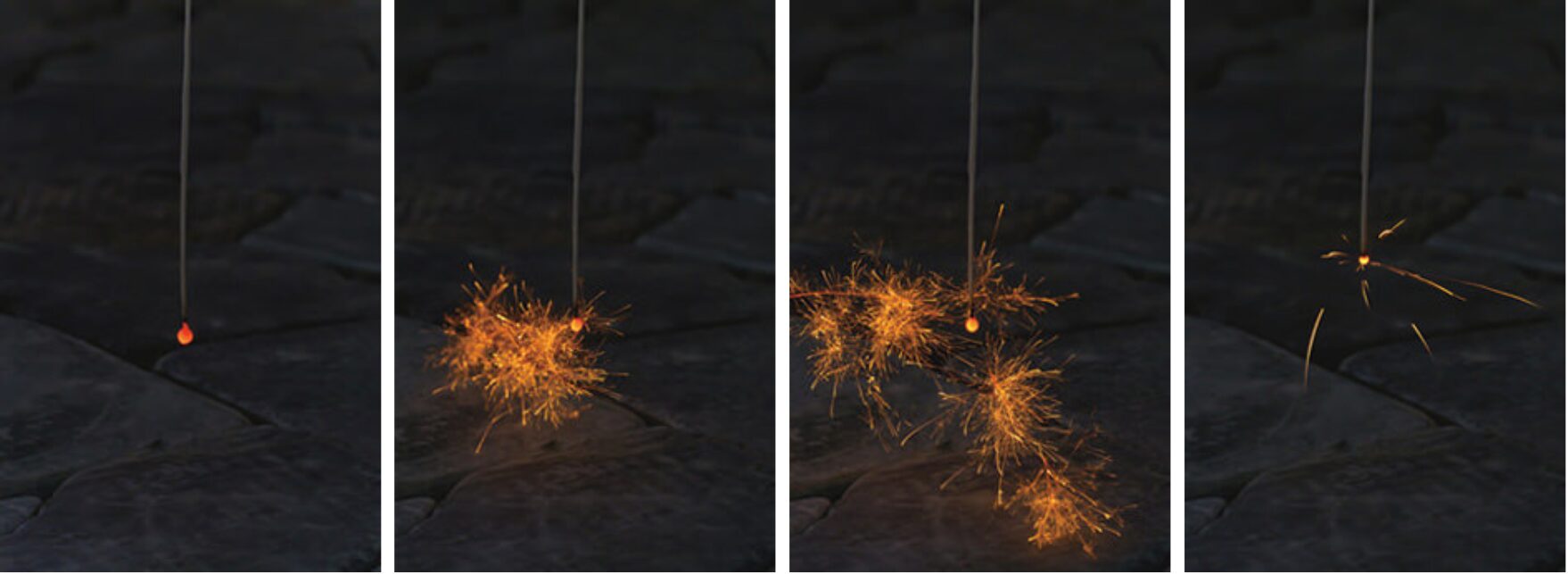
Each senko hanabi is handmade by artisans. It lights up very quietly into an orange bulb and gradually sparkles. You’re meant to gaze quietly upon the light, until the sparks burn out and drop to the ground. It only lasts for 20 to 40 seconds, and in that ephemeral moment resides the beauty that Japanese culture places such importance on.
This delicate and beautiful tradition almost died out though. Mass production started overseas, and as a result of low-priced imports, it is said that the last domestic manufacturer went out of business in 1998. When merchants and manufacturers of fireworks learned of this, some stood up to keep the handmade tradition alive, and today, there are three manufacturers that produce locally made senko hanabi.
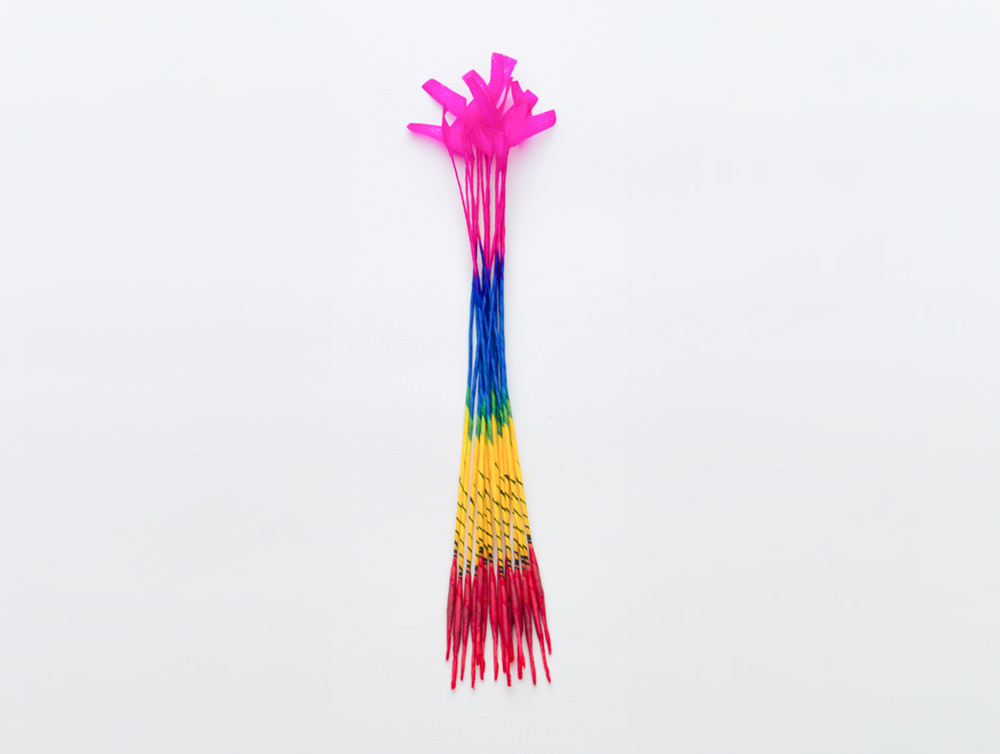
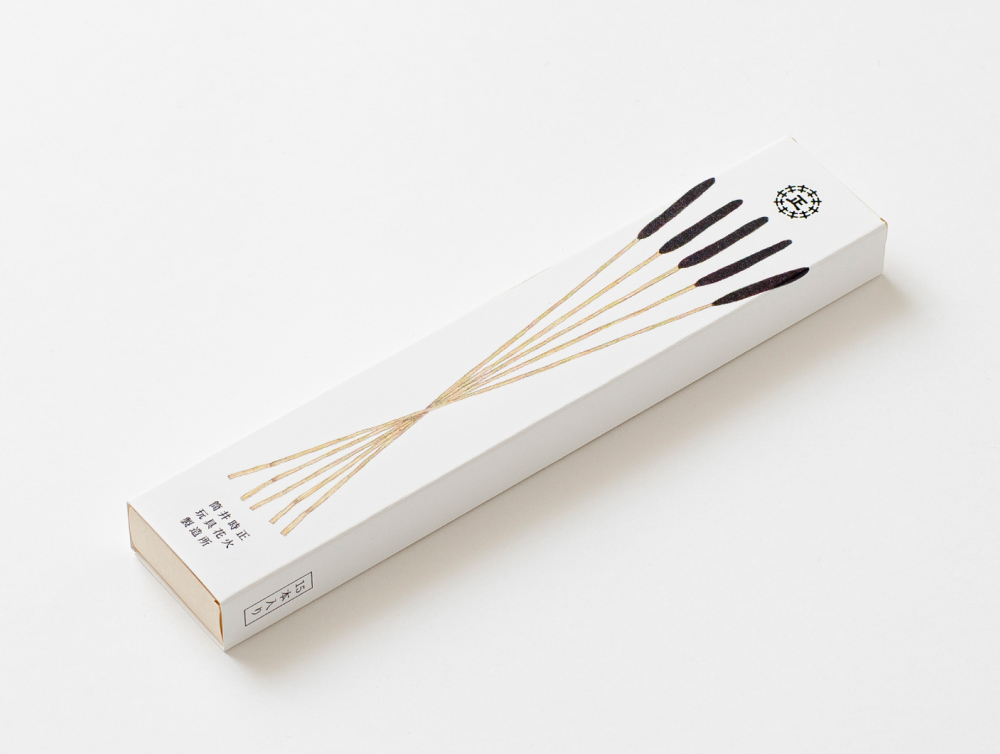
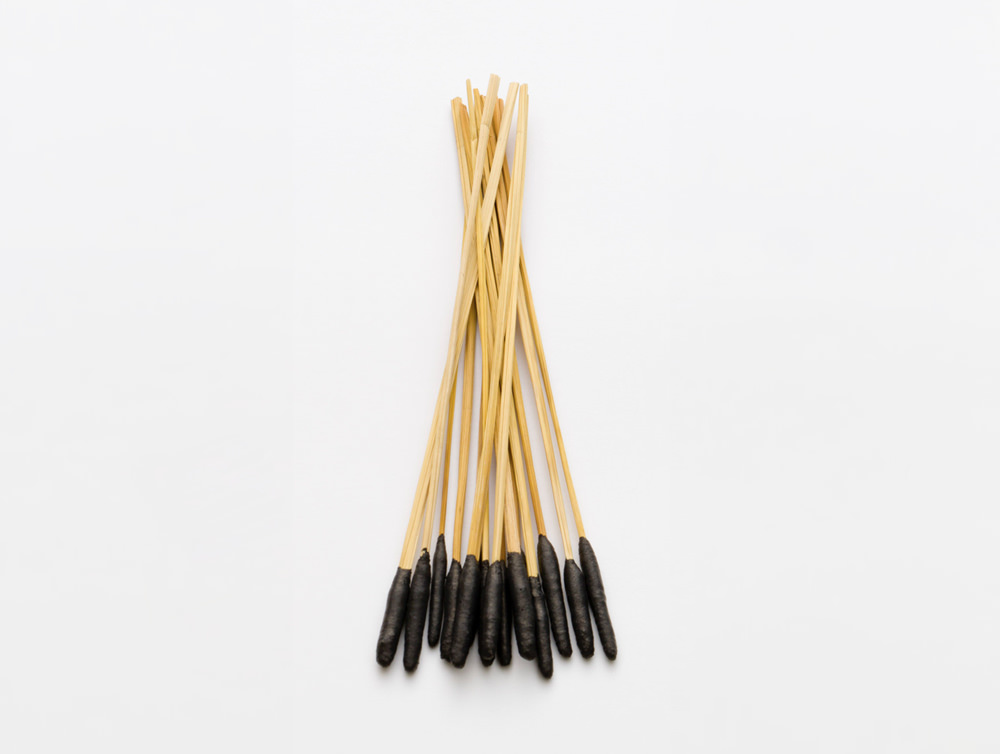
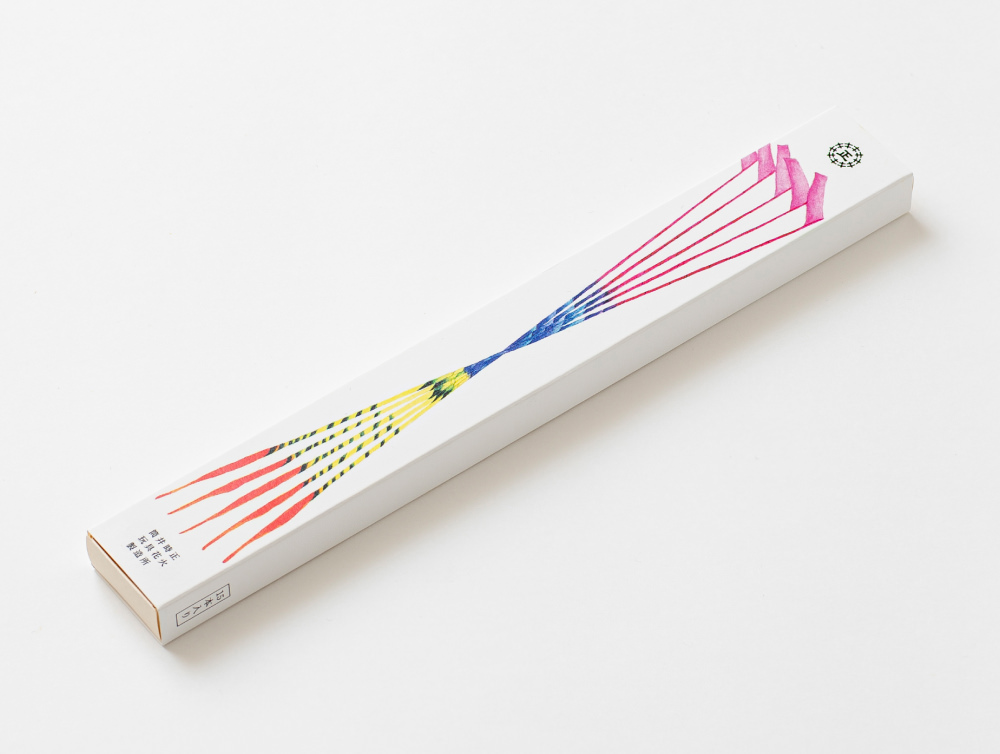
One of the makers is Tsutsui Tokimasa Fireworks. Located in Fukuoka, they produce senko hanabi with local ingredients like pine soot from Miyazaki and washi paper from Yame in Fukuoka, and dyes it with natural colorings like Japanese pagoda trees and gardenias. Their signature sparkler is Tozai no senko hanabi, which consists of two types of senko hanabi—one that originates from Eastern Japan, which uses washi paper to wrap the black powder and is the most well-known type, and the other from Western Japan, which uses straw instead of washi paper, as the region was abundant in rice. Each carefully set in a wooden box, it costs 1,100 yen (tax included) for a box of 15. It is definitely more expensive than those found at convenience stores, but Japan-made sparklers are beautiful in that you can witness it bloom like a flower – starting from a bud, it becomes a peony, then sparks dynamically in all directions like pine needles, droops downward like a falling chrysanthemum, and finally drops to the ground.
When I was a kid, I used to compete with my cousins to see who could keep the sparkler lit the longest. It may be difficult to find locally made senko hanabi nearby, but why not step into the life of a local and try this summertime tradition?
Note: although most stores sell them during the summer, it is enjoyable throughout the year! I finished off last year enjoying handheld fireworks with family and friends 🙂
<Content & Images>
All images not owned by WaWo Japan Travel were obtained from the following:
Tsutsui Tokimasa Fireworks co.,ltd
<Author>
Saori Futsukaichi
Travel Consultant at WaWo Japan Travel