
Hokkaido has had a strange hold over me for the longest time. I think me being American and, in particular, from Florida, plays a big part in this. There must have been a trigger somewhere along the way. Perhaps it was the bloody frontier of Golden Kamuy, or maybe it was Kokuho director Lee Sang-il’s choice of Meiji-era Hokkaido as the setting for his remake of Clint Eastwood’s Western classic Unforgiven.
Hokkaido sits in the cultural imagination as a Japanese Wild West, the final frontier of the nation’s modern borders. This comparison extends both to the romance and violence of its fiction, and to a very real history of imperial conquest and exploitation.
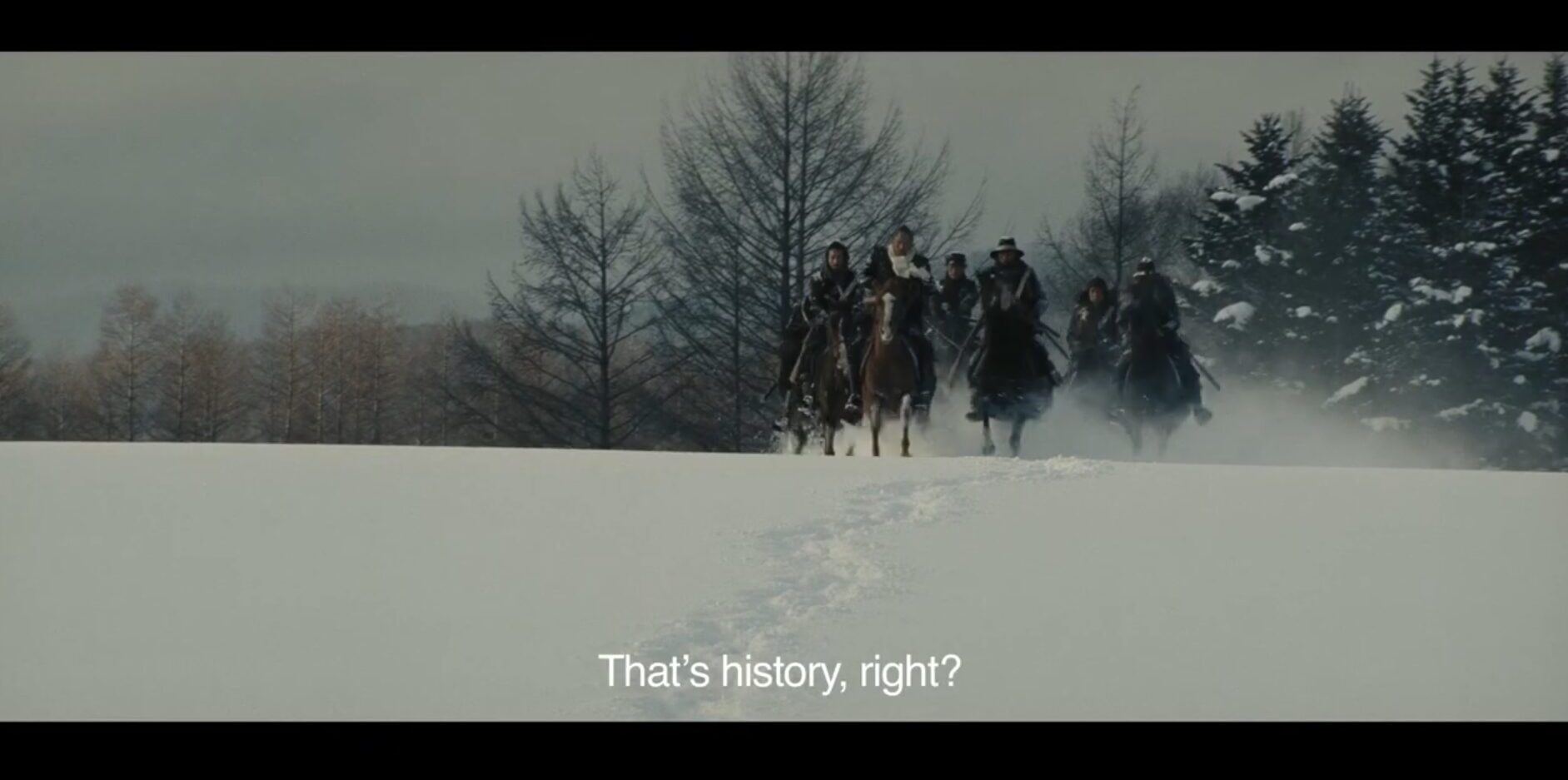
Unlike the American West, whose fiction often centers on arid plains and deserts, depictions of Japan’s northernmost landmass tend to fixate on its heavy snowfall and freezing mountain ranges, an image that the island’s modern popularity as a ski and snowsports destination has only solidified. But in reality, both of these images conceal diverse natures and histories.
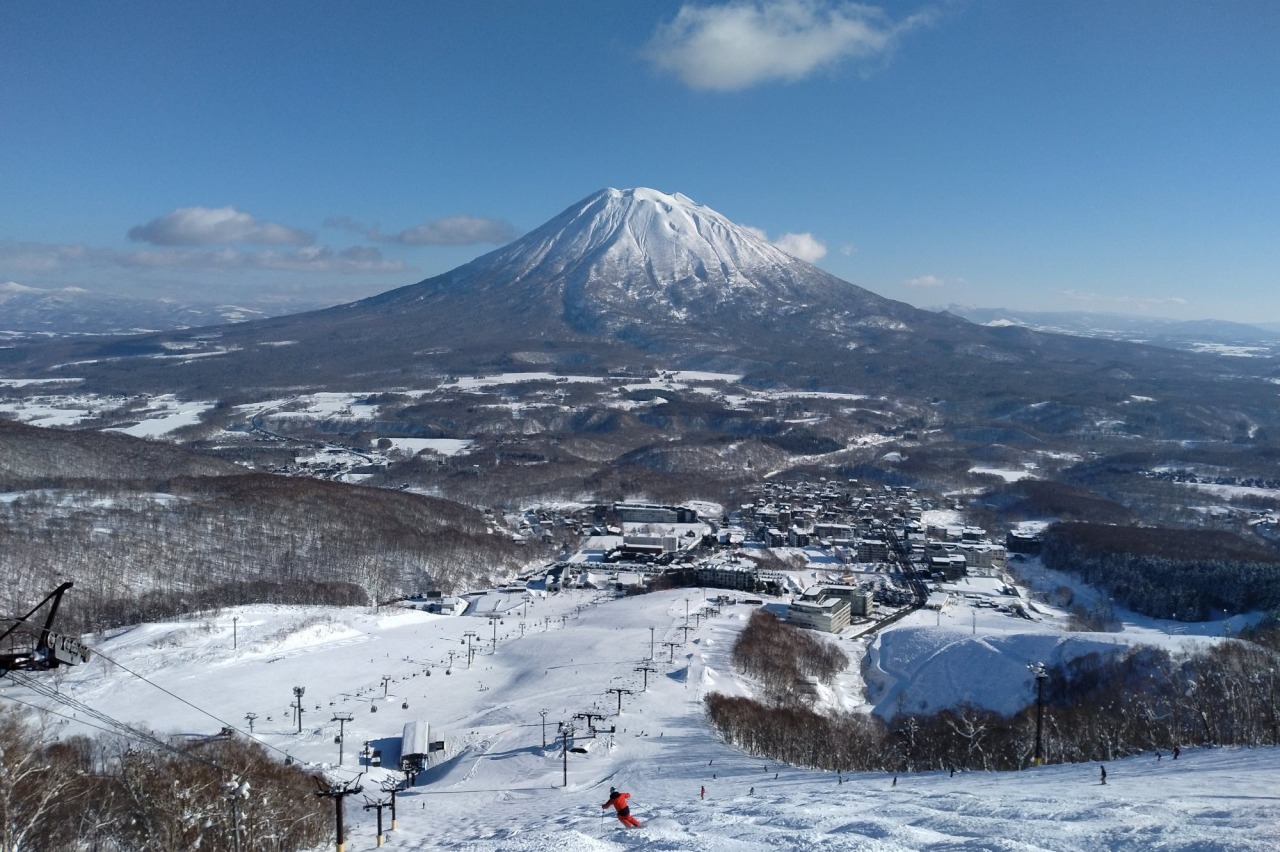
I first visited Hokkaido in autumn, with not a flake of snow to be found. I instead went where the snow goes when all is said and done. I went to the rivers, lakes, swamps, and springs of western Hokkaido. Each stop on my journey revealed a Hokkaido that was much more than its snow, and much more than a remnant of frontier fantasy.
My first taste of Hokkaido nature was remarkably unremarkable. It took me a minute to work out why that was.
Lake Utonai challenges the definition of a lake. It’s really more of a swamp. Its depth never exceeds a meter and a half, and it’s surrounded by wetlands. It would seem even the indigenous Ainu felt the same, referring to Utonai, not as a lake, but as a swamp or pond.
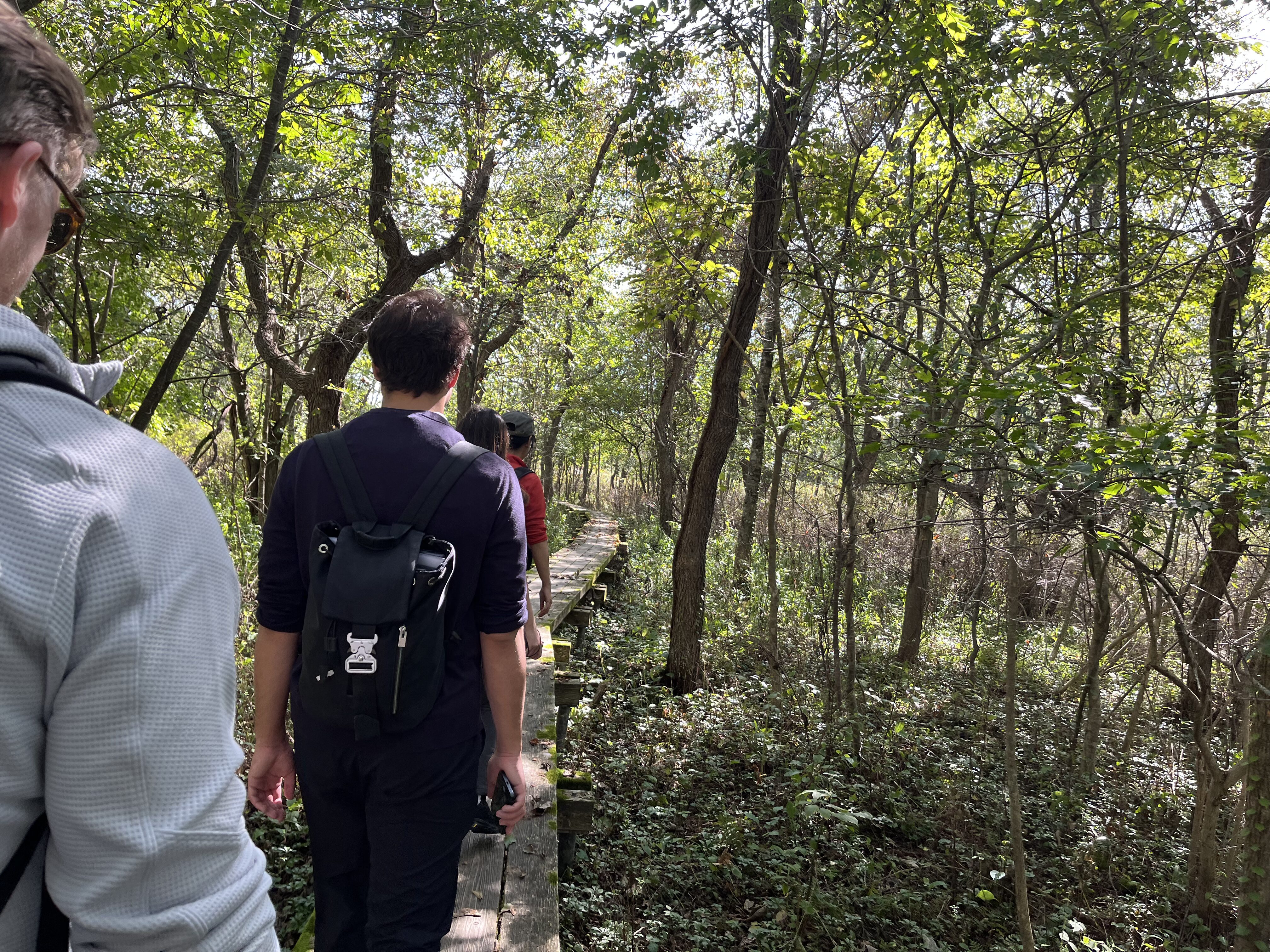
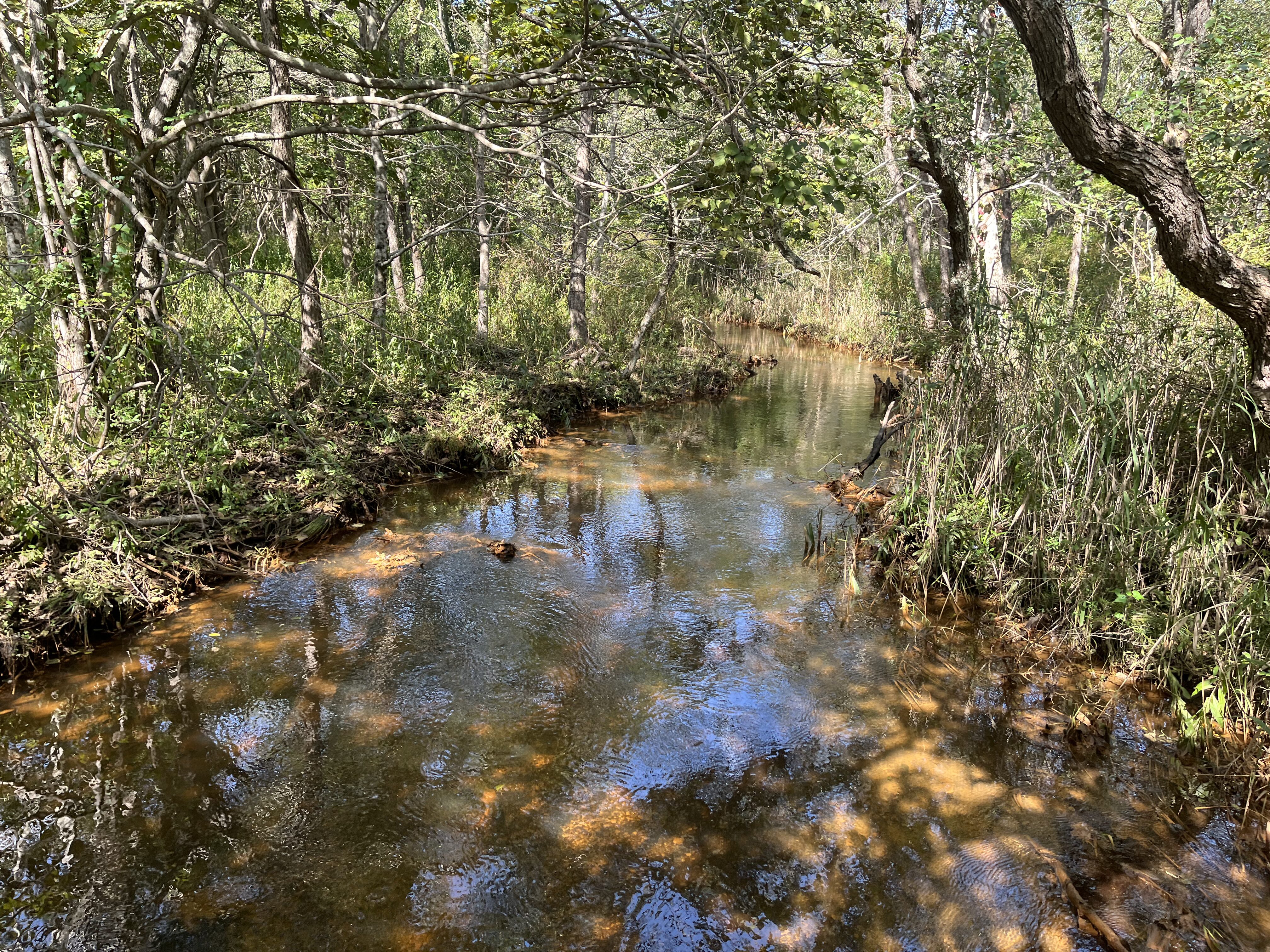
“More of a swamp, indeed,” I muttered to myself, as I hiked along the short wood-plank walkway connecting the thin patches of dry earth around the lake.
Emerging out from thickly-treed wetland onto the lakeshore, our guide, Kazuki Matsuoka of Hokkaido Outdoor Network, spread out a large, blue tarp-like object that turned out to be a chart indicating a few hundred varieties of bird.
The 30 or so birds that call Lake Utonai Sanctuary home were circled with black Sharpie. Some were predators and others prey. Some longlegged and others shortlegged. And some spent time in the trees, where others preferred the water, like the greater white-fronted goose. The Japanese name for the goose, magan, rolls off the tongue better.
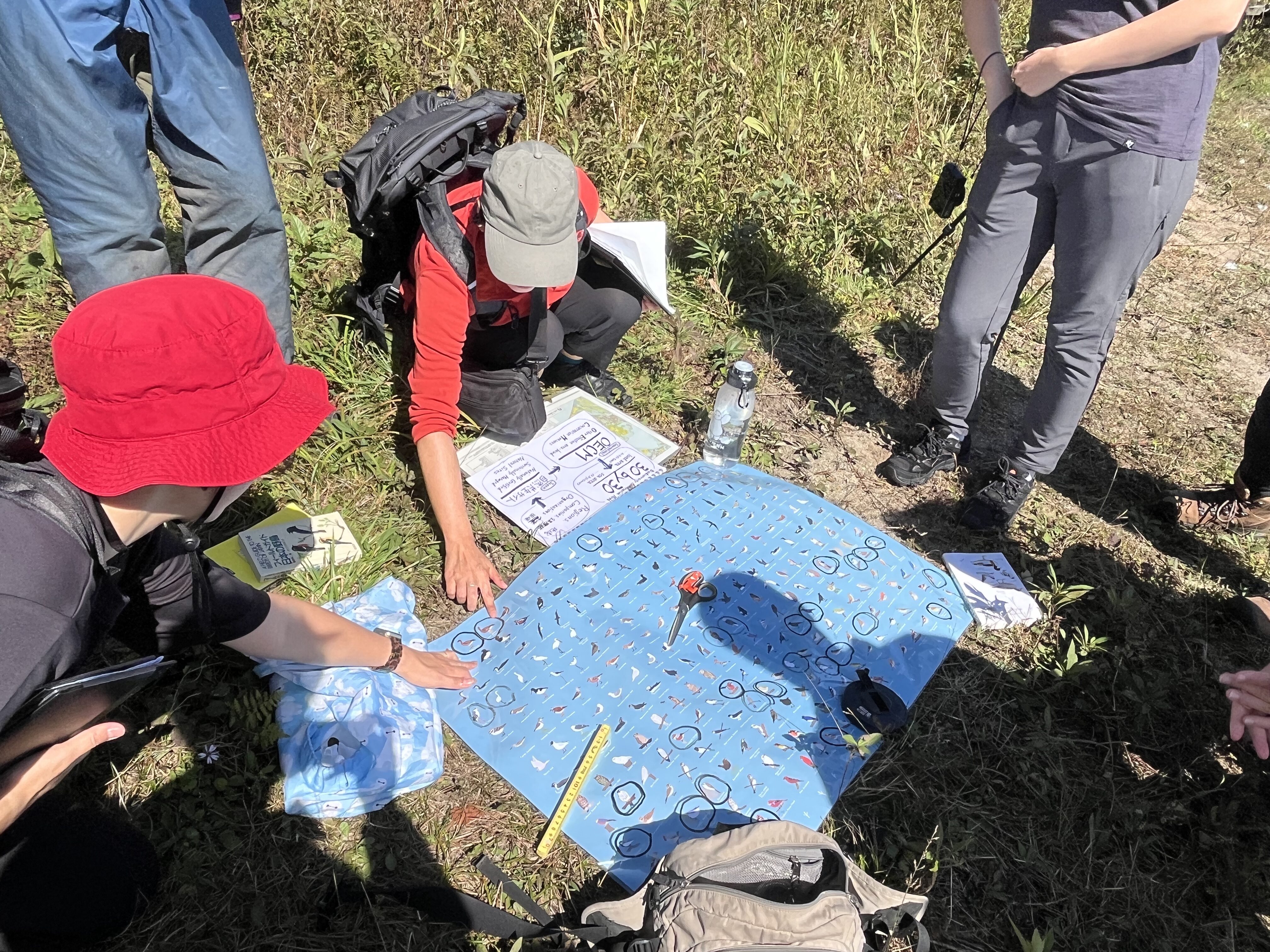
My guide gestured towards a telescope placed at the water’s edge. I glanced at the telescope and then out at the lake’s surface, shining in the noon sun. There was nothing to be seen save for the odd bit of plantlife and the low wetlands surrounding the lake.
“What’s there to see?”
“Magan.”
I peered through the telescope. There they were–lots of them–sitting plump and content in the distant waters near the opposite end of the lake.
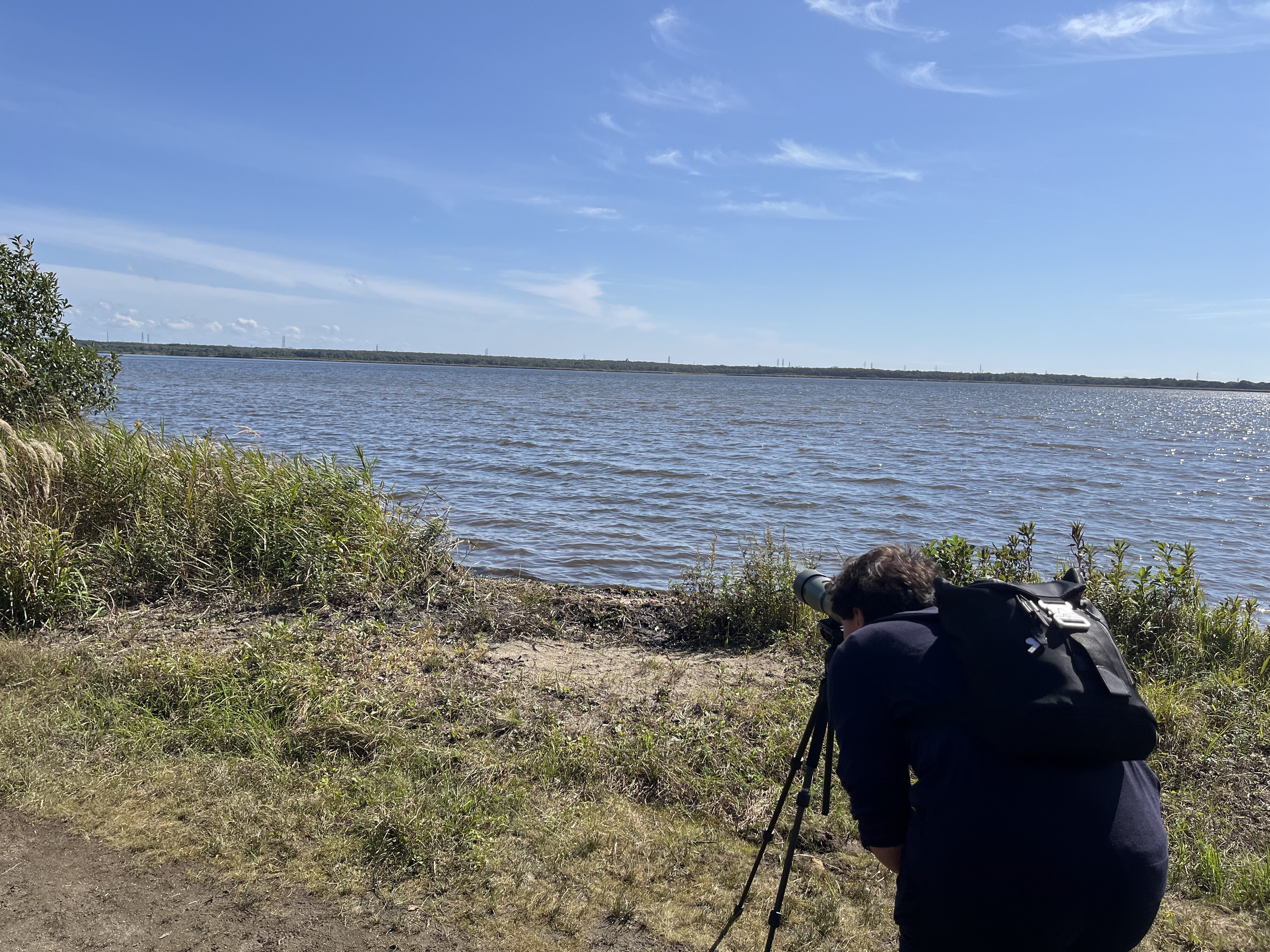
The gap in clarity between my naked eye and the telescope made it apparent just how much space there was between me and the magan–and how the land and water in this corner of western Hokkaido seemed to stretch on and on without interruption. But I wasn’t so struck by the beauty or strangeness of this new nature, as I was comforted by it.
Really, the contrast of the flatness of this piece of land with the many mountainous rises and falls of Honshu and Kyushu–where I had previously lived–ought to have been more remarkable. But I realized then that Lake Utonai and its flooded forests, more than any other environment I’d experienced in Japan, felt like home–felt like Florida.
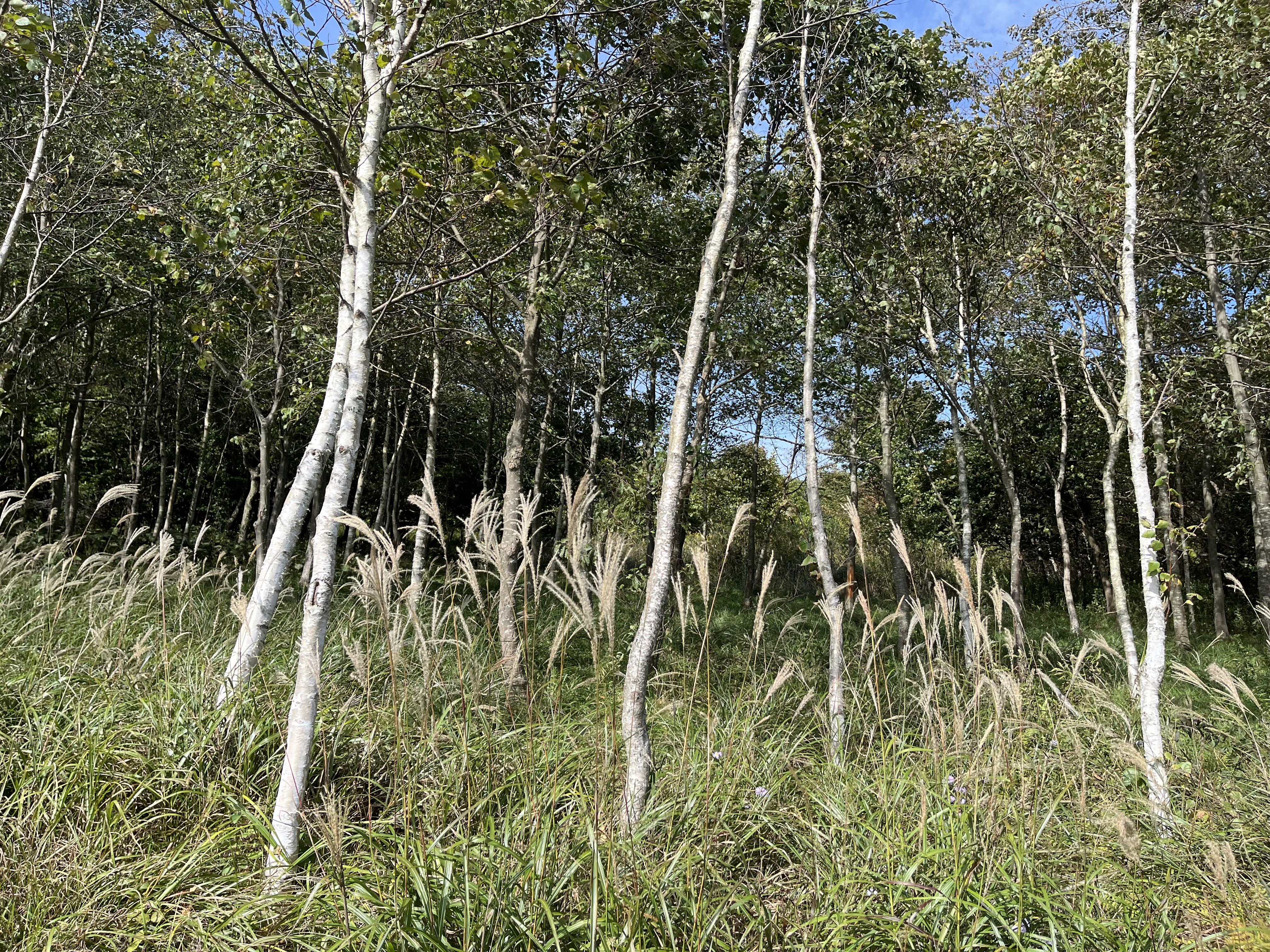
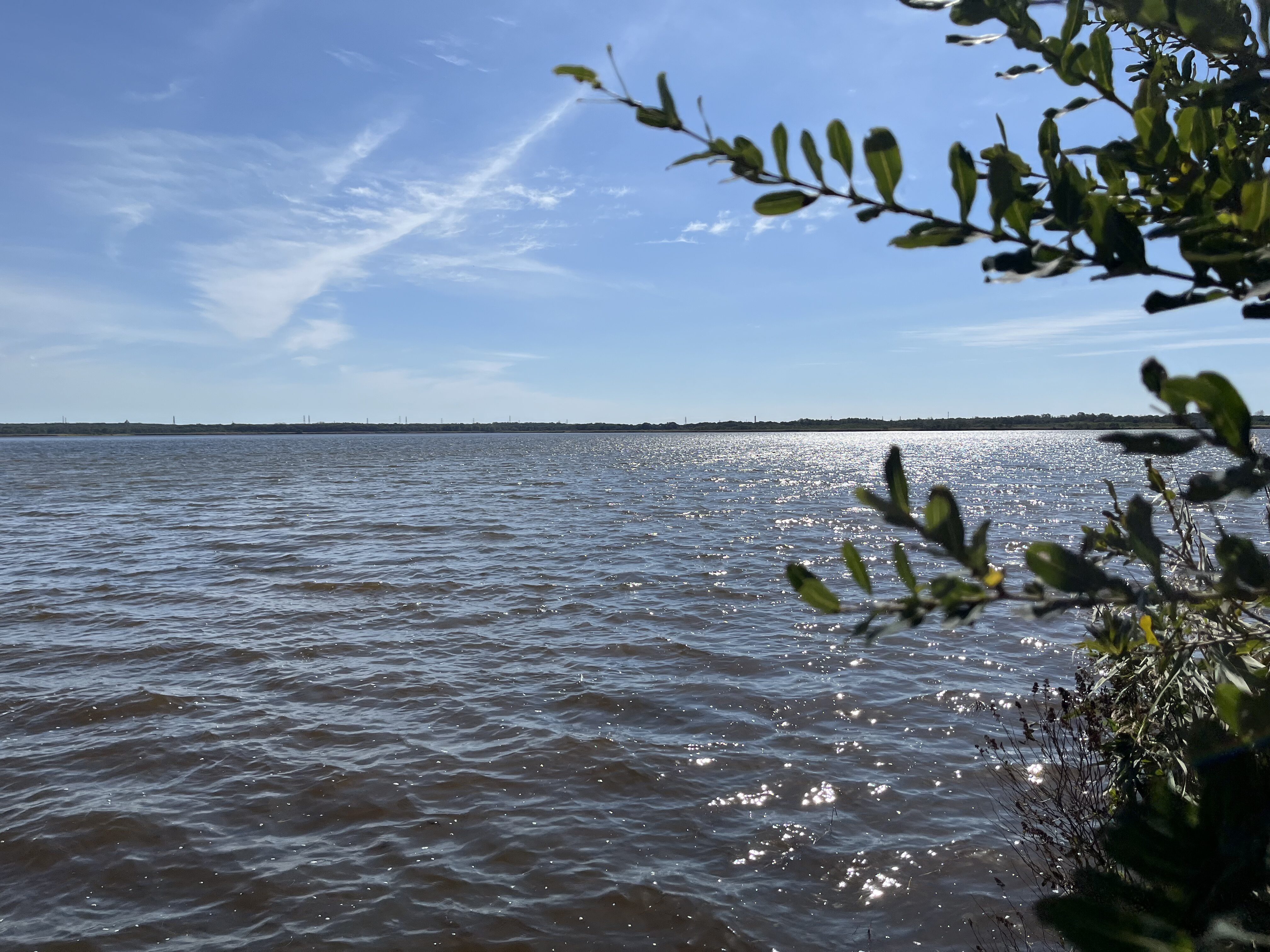
Hokkaido, by all accounts, was meant to be the extreme opposite of Florida, the Sunshine State. But there I was, sitting plump and content in a comfortably unremarkable slice of home on the opposite side of the world.
My next destination was the Bibi River. If we literally interpret the kanji that Japanese settlers applied to the original Ainu pipi, it is a “beautiful, beautiful” river. It glides with true grace through the surrounding lowlands, where it eventually meets Lake Utonai.
I set off downstream in a canoe, with a guide from Hokkaido Gateway Tours at the helm. Our progress was far from swift but allowed ample time to gaze into the water, clear as the sky above. Beneath the surface swayed a forest of aquatic plantlife, bending with the flow of the river. This was a shallow river, but so too was the earth around it–low, muddy, and buzzing with all manner of life.
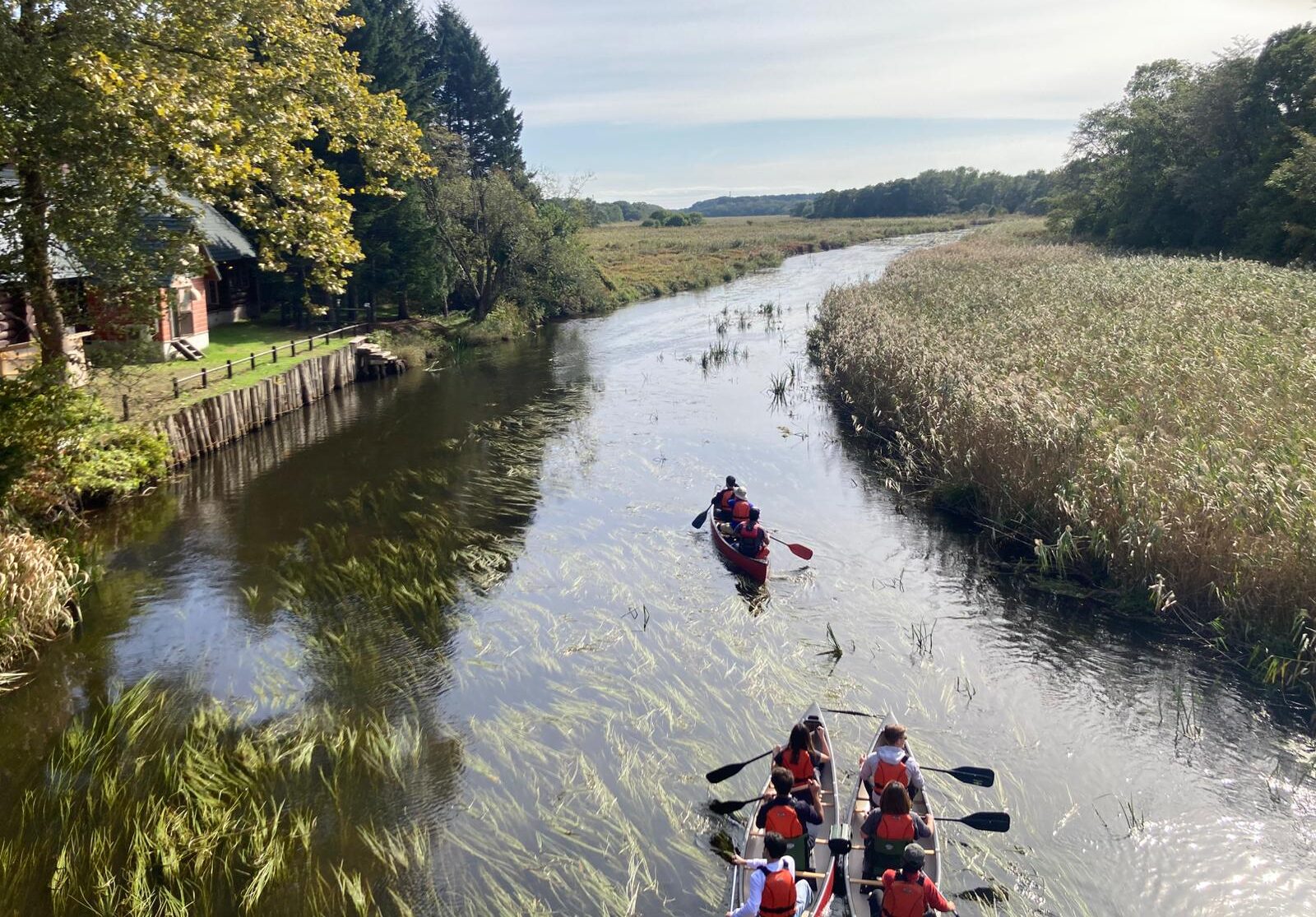
We proceeded along between banks shaggy with yellowing reeds. The moment was so still, so quiet, it drowned out the babbling flow of the river itself. We might as well have been at the grassy bottom of the river–or the Pacific Ocean, further on down the way.
“You know, this whole area–Sapporo and a lot of the stuff around it–was at the bottom of the sea a hundred-thousand years ago,” my guide broke the silence with a laminated chart and a white smile.
Go figure.
And it wasn’t only a hundred-thousand years ago. After several cycles of ice age freezings and post-ice age floodings, it was some six or seven thousand years ago that sea levels rose with a fervor that not even the most irresponsible of economic superpowers could recreate, burying parts of western Hokkaido beneath the waves. After a couple thousand more years, sediment build-up from the mountains and rivers up north formed the coastline of Hokkaido as we know it today, along with the Yufutsu Plain that the Bibi River calls home. The sea is never far here.
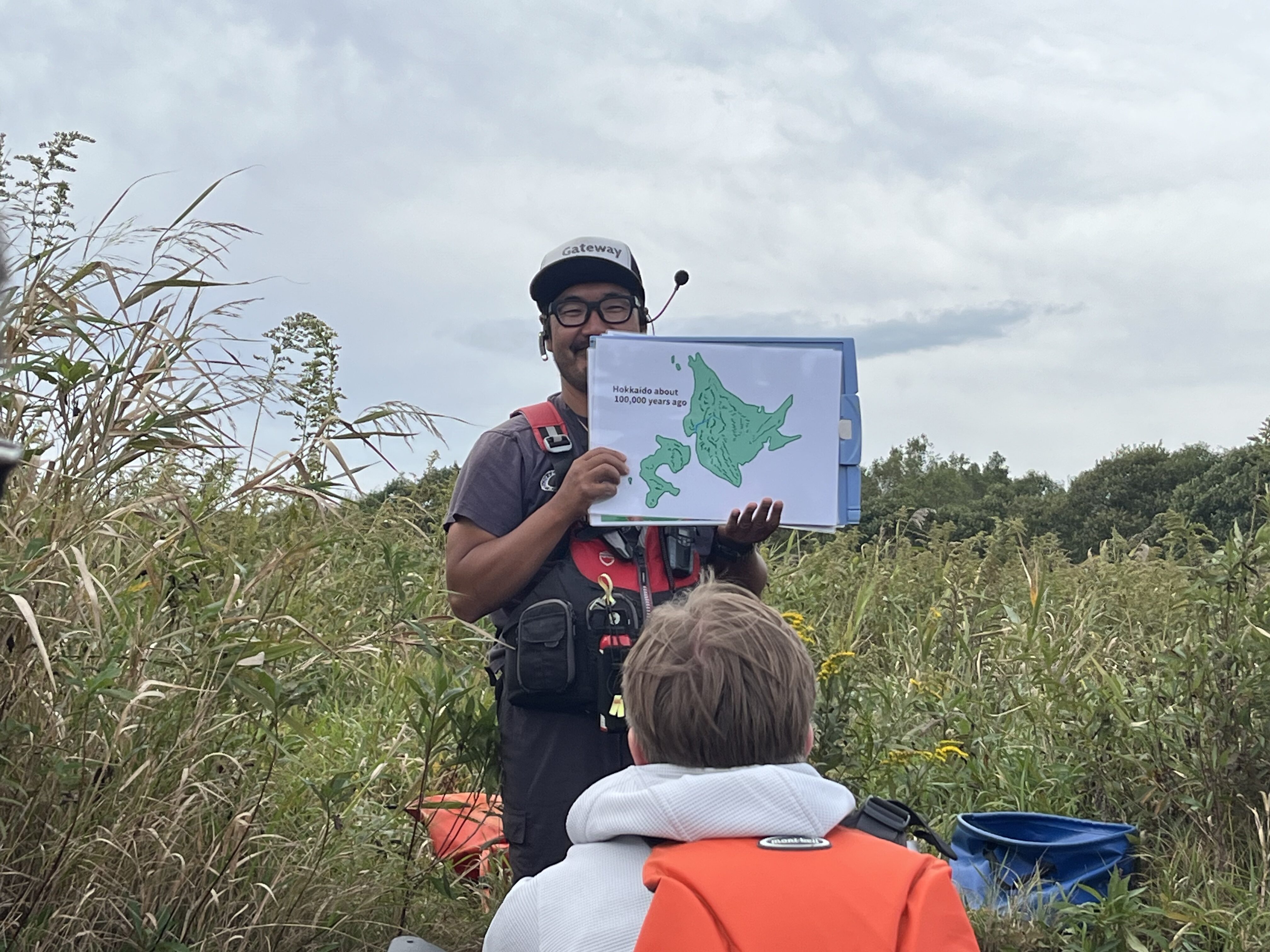
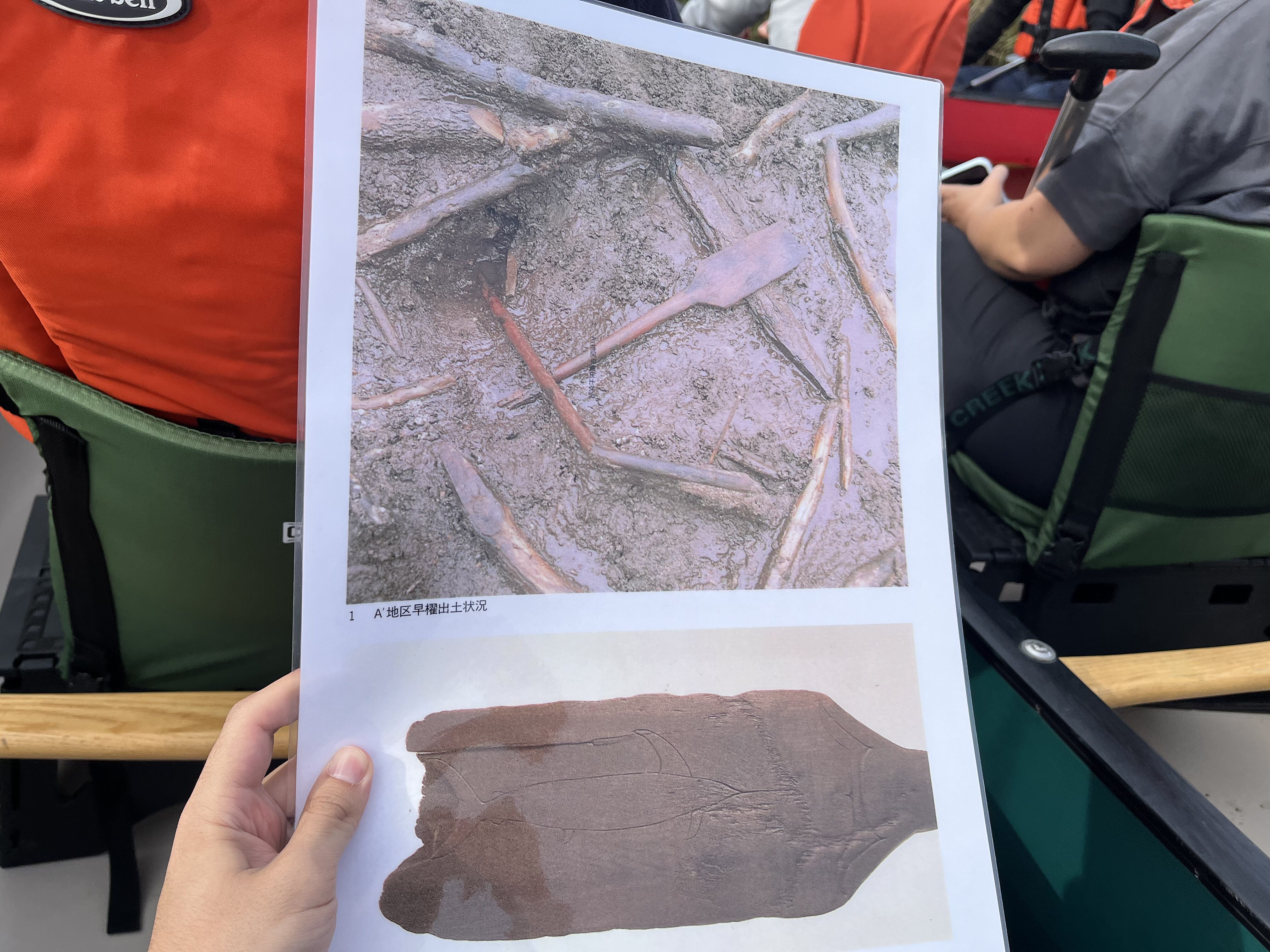
“And the Ainu–,” he continued with more photos and illustrations. “They used this river as part of a trade network that extended to the Ishikari area.”
A photo of Ainu oars unearthed by archaeologists fell into my hands. Or hand, I should say, as I stilled the oar in my opposite hand against the flow of the river. Not all that much had changed, had it?
The scream of a jumbo jet departing from the nearby New Chitose Airport, the largest in Hokkaido, interrupted the thought as if in retort. We continued on towards a low bridge, our final destination, in silence. Before long, the familiar thrum of passing cars and kicked-up gravel greeted our approach.
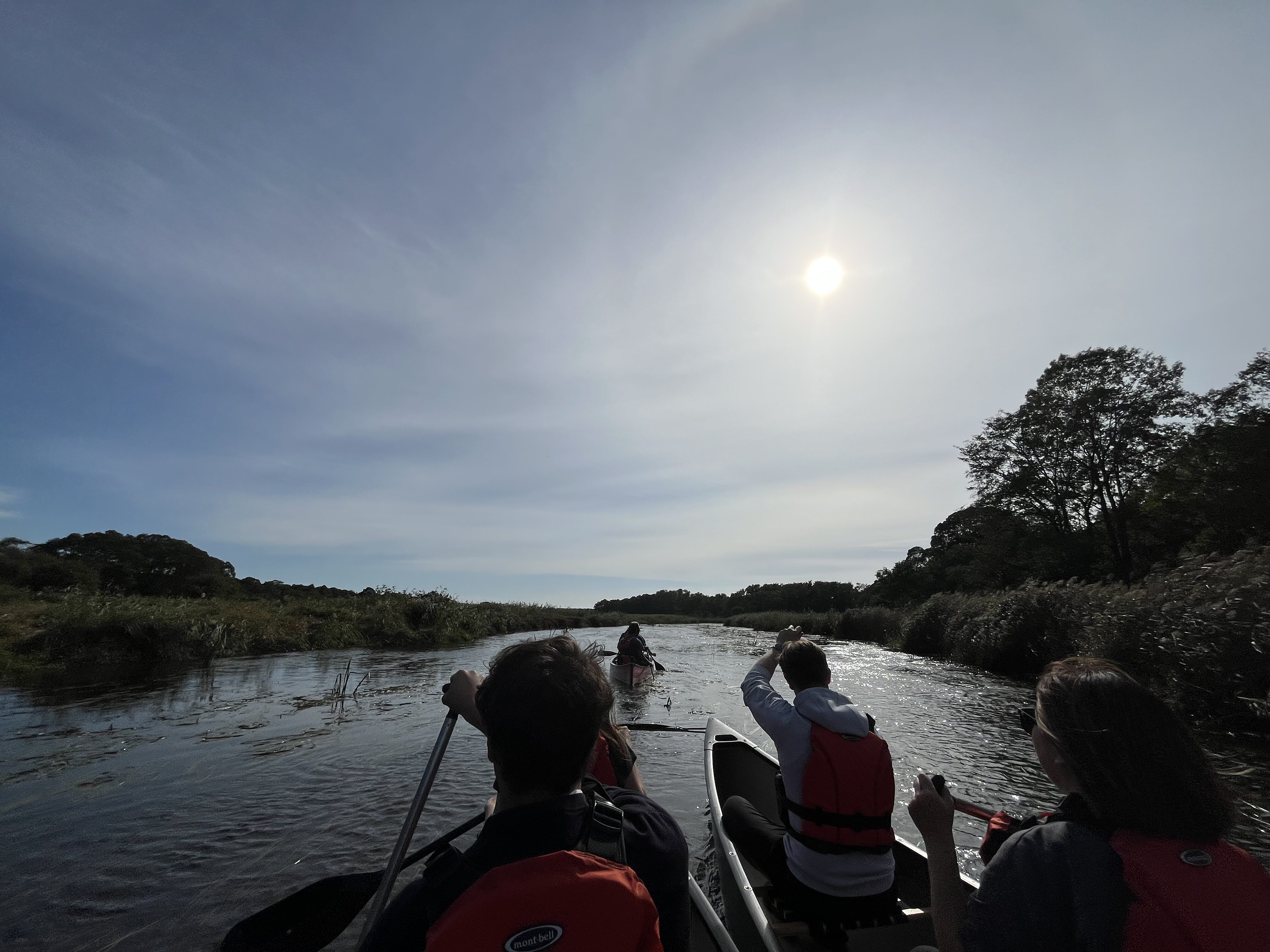
Much had indeed changed. The Ainu hadn’t paddled their way down the Bibi for well over a century, as a result of the destructive assimilation policies of the Meiji Government. And in an impossibly short stretch of time compared to the great upheavals of sea and land that had given the region its shape, we had learned how to fly to the ends of the Earth, and even on into space.
I sat there on the Bibi with an oar in hand, looking up at the sky and the planes of New Chitose from the security of my little wooden boat.
“At this rate, it won’t be long before the area is swallowed by the sea again,” said someone in the group.
The early Autumn sun had done a number on me. Sleep inched in as I lay back against the warm leather seat, each gentle shake of the van hurrying its approach. I must have dozed off when my guide mentioned our next destination and the time it would take to get there, and the road seemed to continue on without end.
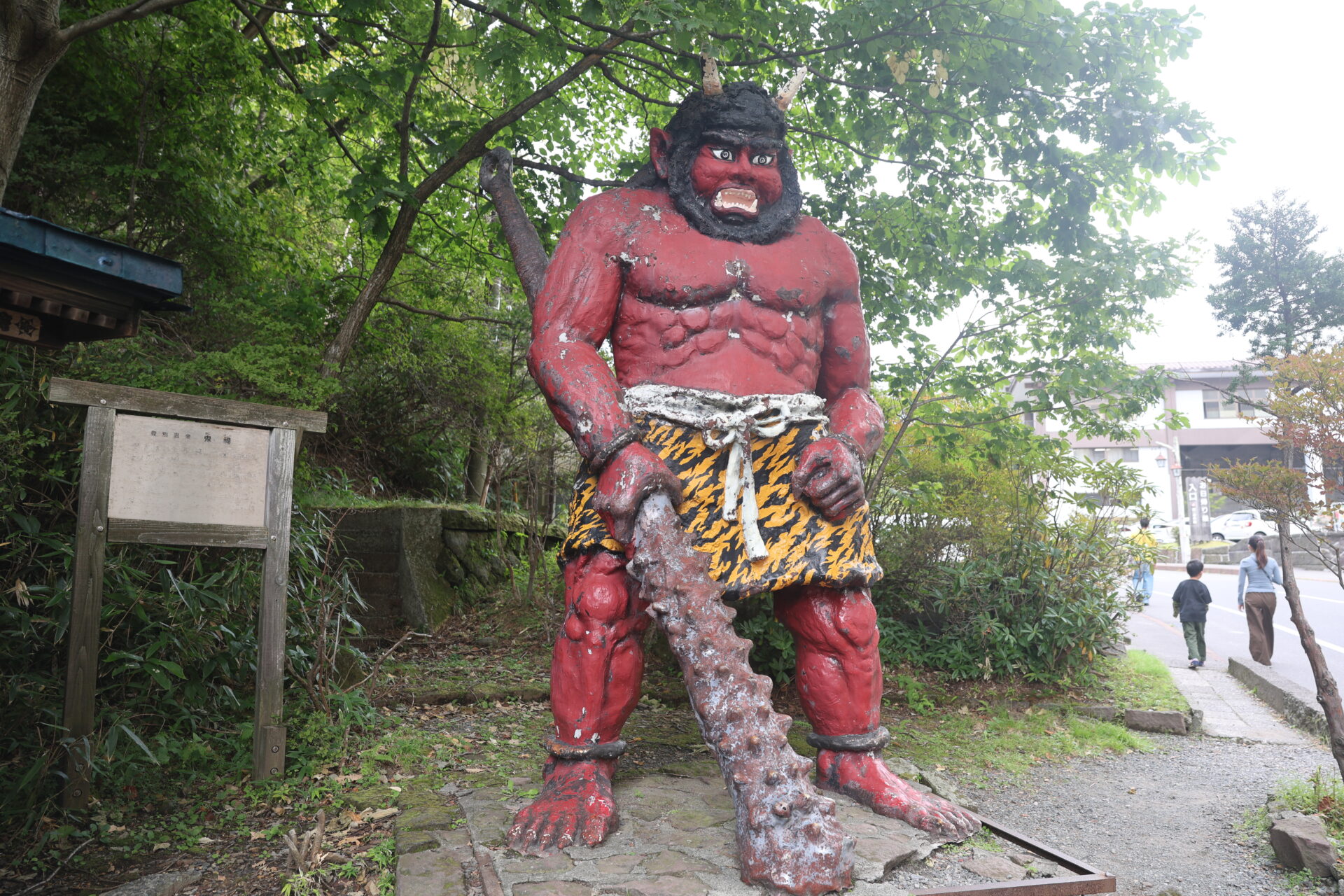
Fading in and out of consciousness, I peered through half-open lids at dancing, wiggling trees and shrubbery. Just as they began to melt into the green-grey darkness behind my eyes, the foliage abruptly gave way to tomato red. A massive, angry face took shape, fangs bared from within a thick black beard. My mind struggled to keep up with my eyes, as I took in the horn protruding from the head, the great spiked club held at its side, and the tiger pelt wrapped around its waist.
Before I could comprehend just where the hell I was, a sign slipped into view, “Welcome to Noboribetsu Onsen”
Home of Jigokudani, Hell Valley.
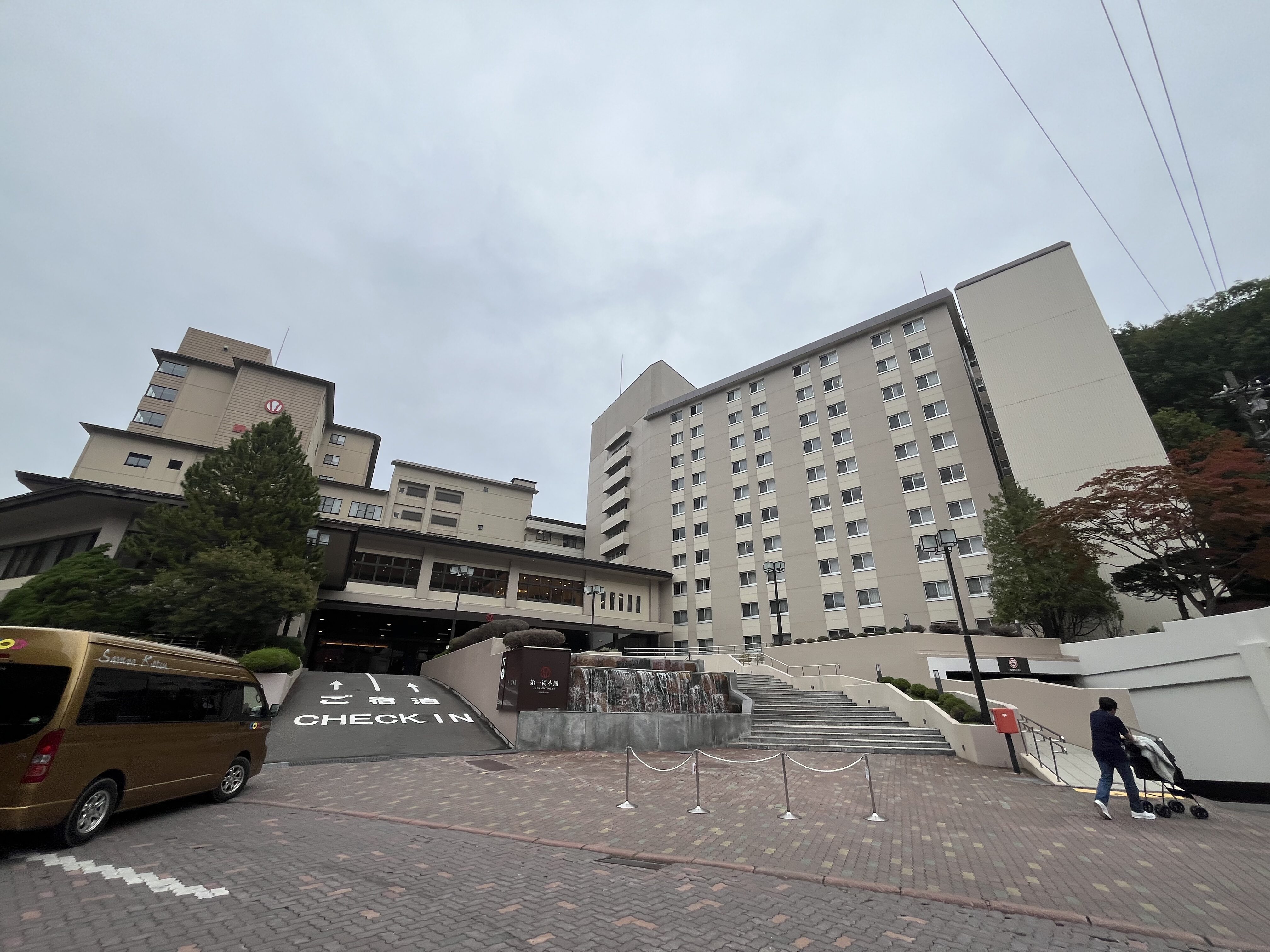
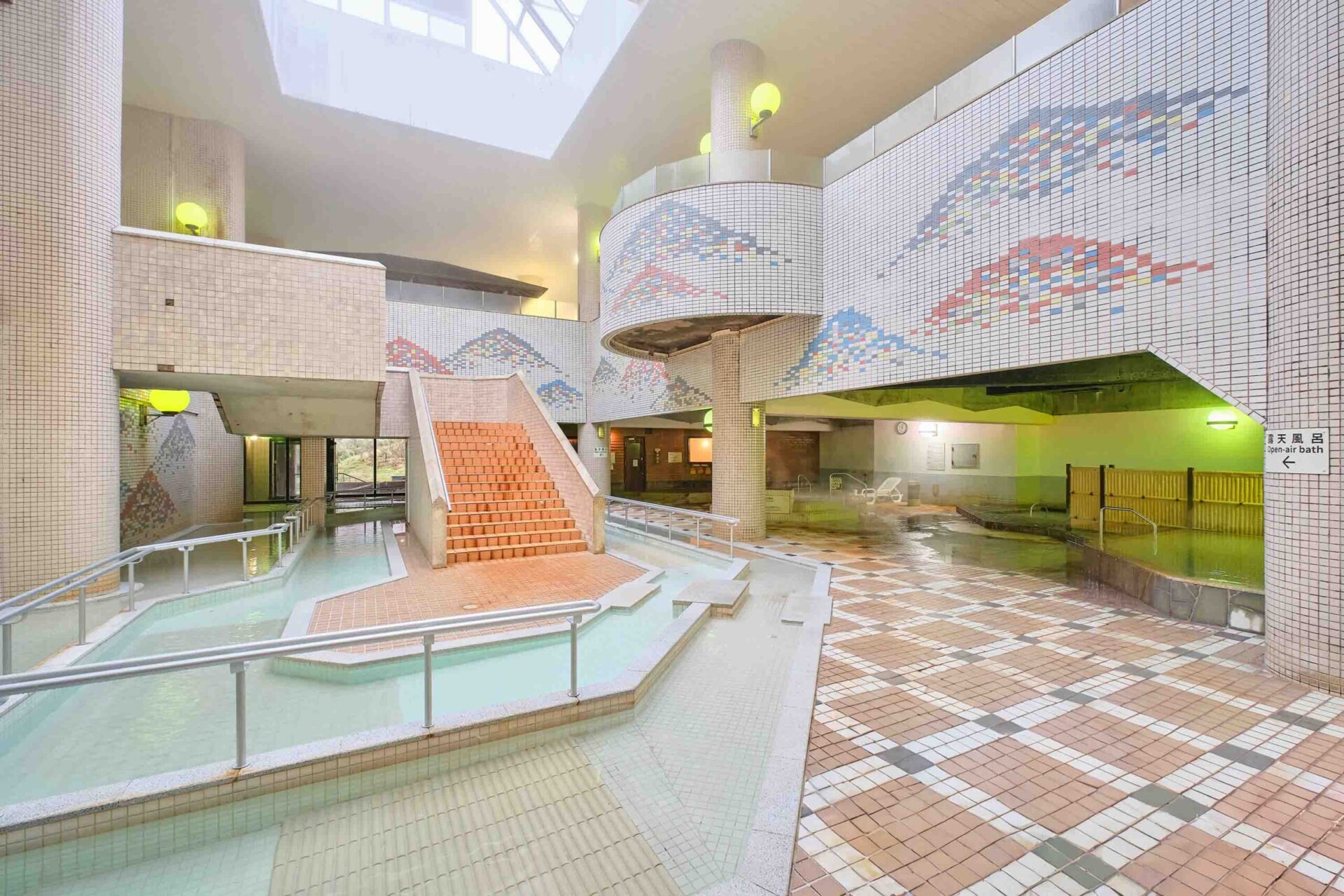
I settled into my room at Daiichi Takimoto-kan, the oldest hotel in the area operated by the oldest company in Hokkaido. Could have fooled me. Having undergone countless renovations and expansions across the last century and a half, the hotel is a big, loud, modern resort that ticks most all boxes for a middle-class family looking to escape the city. It would seem that it had served the same role for generations, judging from the photos and advertisements that lined the walls on the way to the public bath.
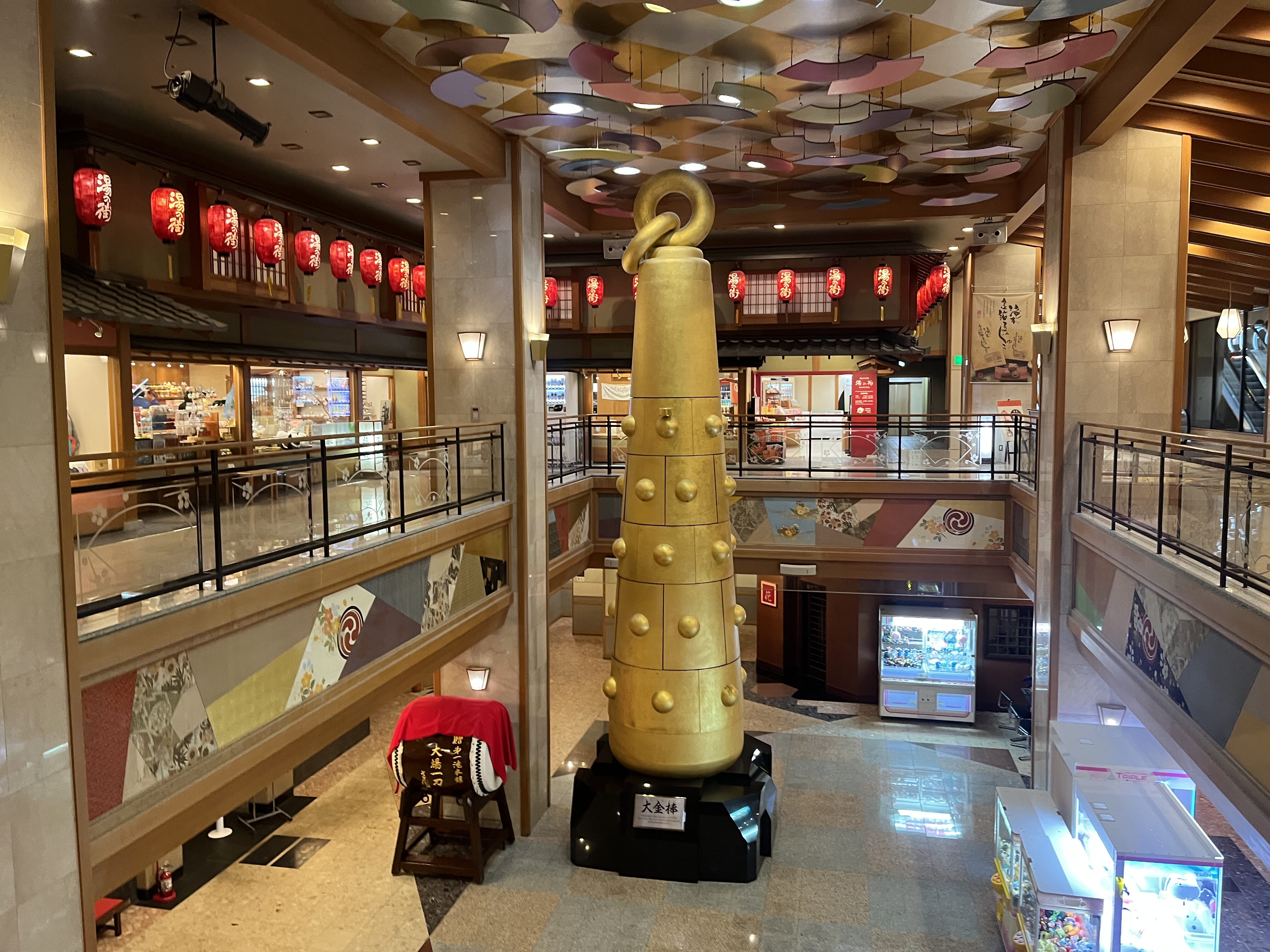
It was this bath, more than the thorough renovations of the hotel proper, that remained with me. At the time, my only point of reference for Japanese bathing facilities were quiet, countryside springs with traditional touches and the sleek, suburban super sento of greater Tokyo. Daiichi Takimoto-kan’s bath, while certainly leaning towards the latter, didn’t fit with either.
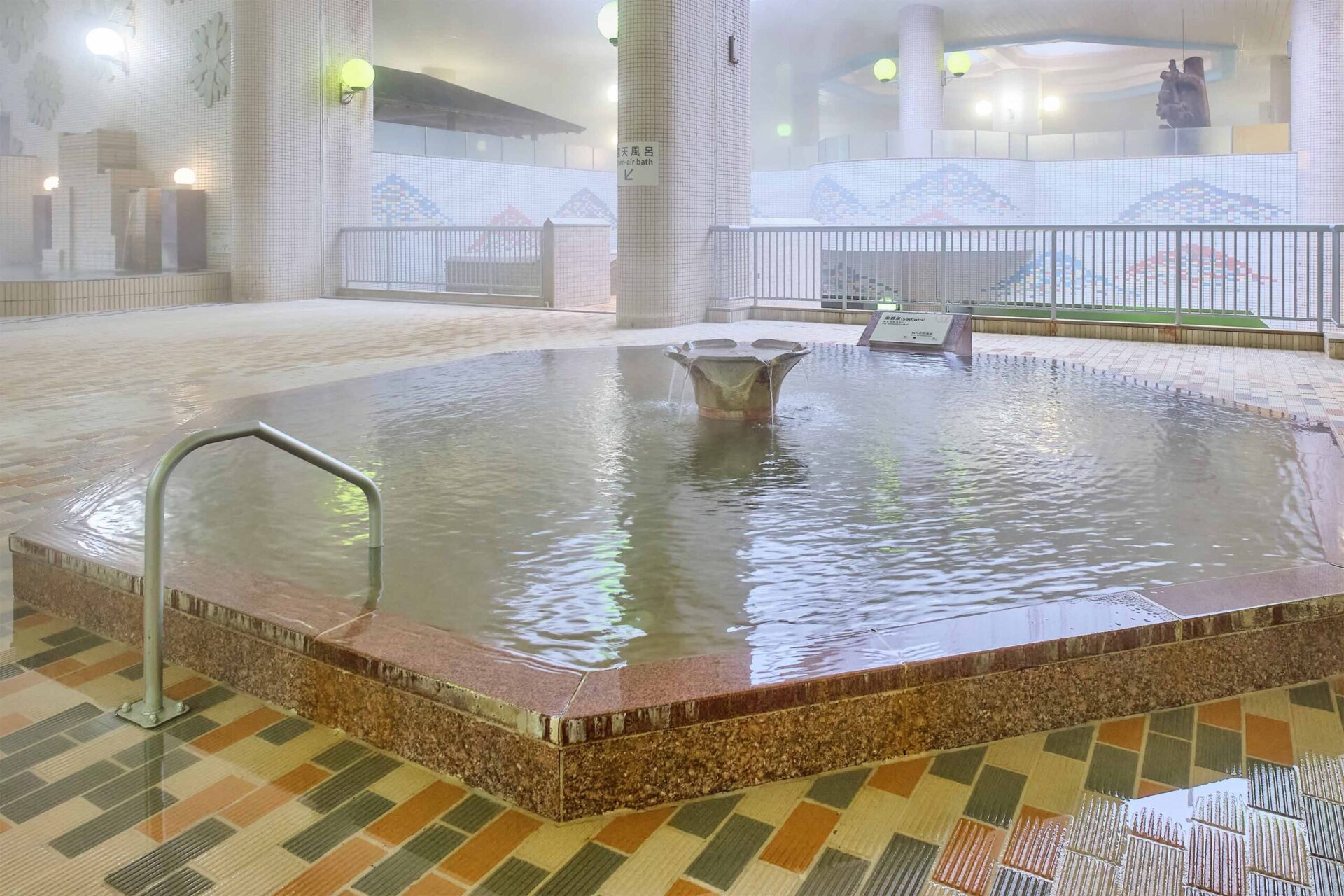
I was first struck by the bathhouse’s vast scale and the odd loneliness that pervaded it. With high ceilings and few visual obstructions, its many baths stretched out before me, as if floating in a steam-filled void. Great, white tile pillars rose up from the steam, ghostly orbs of light bolted to their sides. Ornate fountains, multi-colored tile murals from a not-too-distant past, and a suspicious lack of people were the finishing touches on a space and vibe that only a ten-hour vaporwave loop could create.
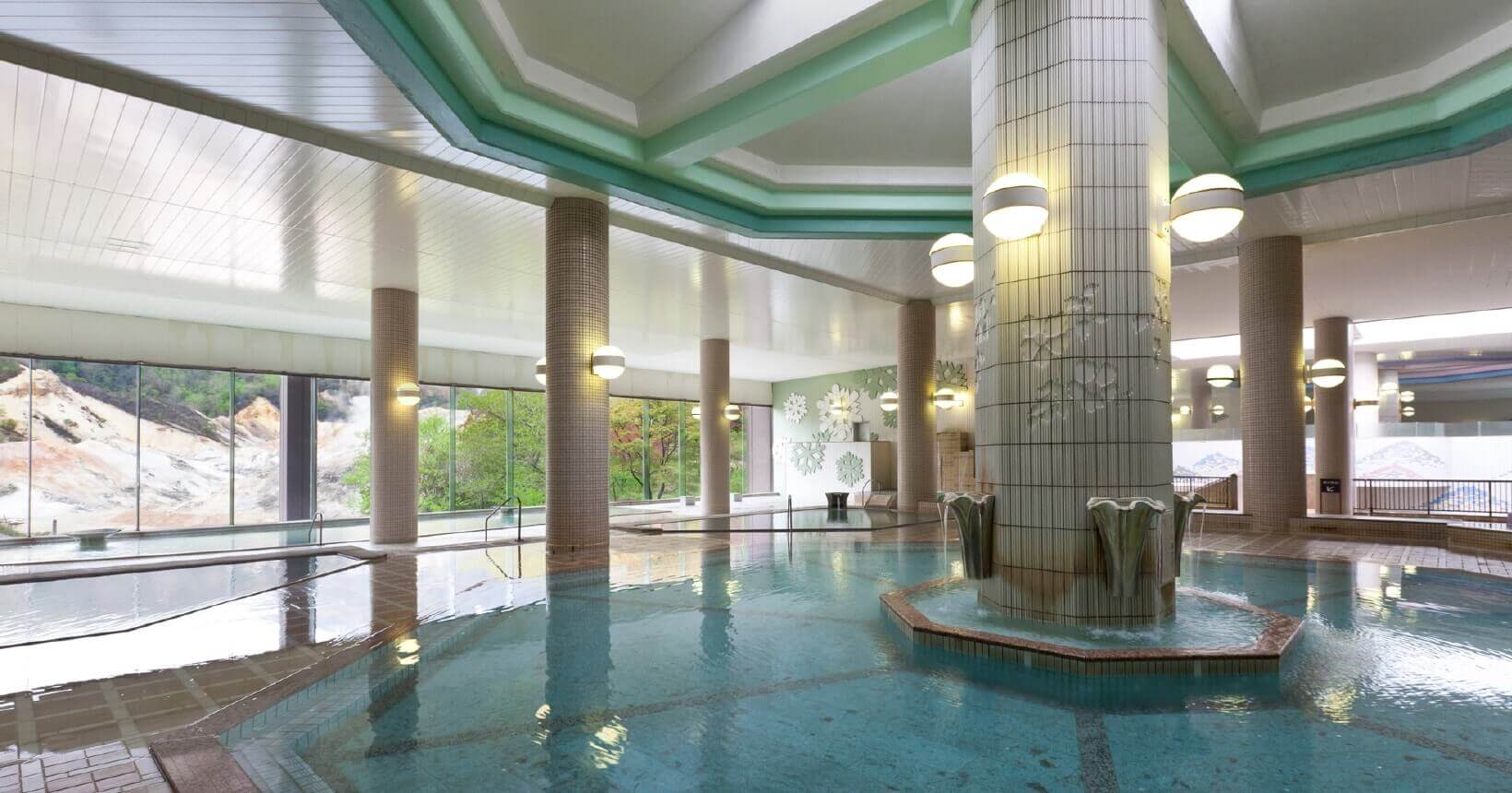
Occupying one end of the bath was a large window that looked out onto the famous Hell Valley. My visit was at night though, and the view was one of darkness and scarcely visible, red earth, overlaid by the ethereal, blue-white void of the bath and its lights. Imagining what Hell Valley must look like–the sounds of running water and the occasional cough enveloping me–I felt like I’d somehow taken a wrong turn on the road to hell and ended up in purgatory.
The appeal of an experience like this is hard to quantify, a happy accident brought about by a mix of elements both out of place and in place, both in time and out of it. Rural Japan is full of stuff like this: grandeur from the post-war period of economic prosperity that shows just enough wear to be nostalgic but not enough to be considered a true relic. It’s through this contradiction that history is able to exist in these places like a fresh stain, not as something to be interpreted but viscerally experienced. Like most stains, Daiichi Takimoto-kan’s bathhouse is an accident. However, it’s one that I savored every moment of.
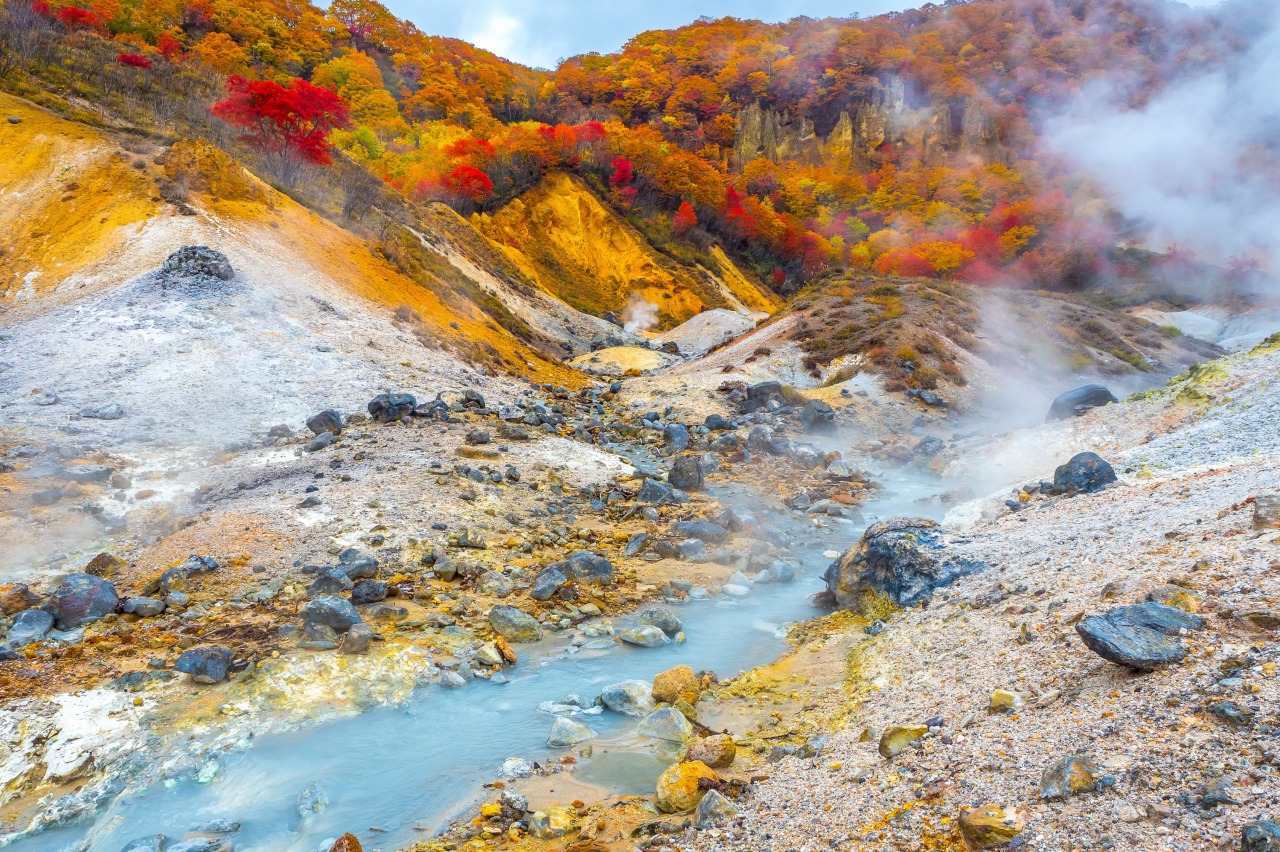
Hell Valley by day was a very different sort of experience. It’s the most traditionally spectacular part of Noboribetsu Onsen: a massive, red-yellow gash in the earth that belches clouds of volcanic gas. It’s a sight to behold, especially when the surrounding trees change color in the fall.
But, my heart never left that wonderfully evocative bathhouse.
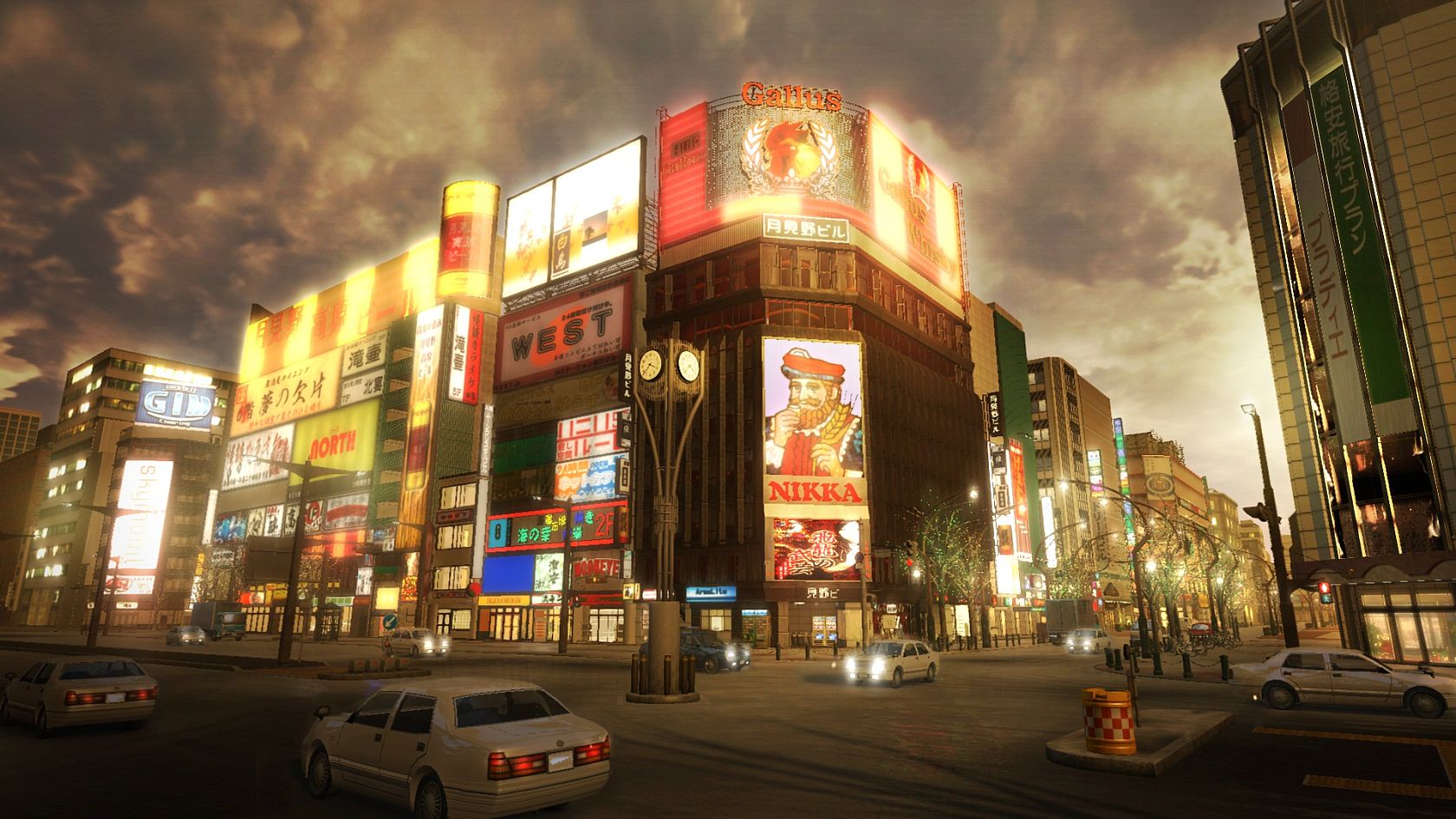
Japan is probably the best country for digital sightseeing. It turns out the home of video game giants like Nintendo and Sega has a habit of recreating itself inside its game worlds. The Yakuza series is the most well-known example, having included lovingly faithful renditions of famous parts of Tokyo, Osaka, Onomichi, Sapporo and more across its twenty years of history. Japan has proved to be such a compelling video game destination that even western developers have started to pitch in, with this past year seeing the release of a title set in Edo-era Hokkaido, Ghost of Yotei.
As Ghost of Yotei’s title suggests, much of its action centers on the rolling hills and towering mountainscapes of western Hokkaido. One thing the game absolutely succeeds in is creating a visually compelling representation of the region, bursting with bright colors and big nature around every turn. This is of course true of its juiced-up version of the titular Mount Yotei, which looms over the game world with a scale and presence that dwarfs the real mountain.
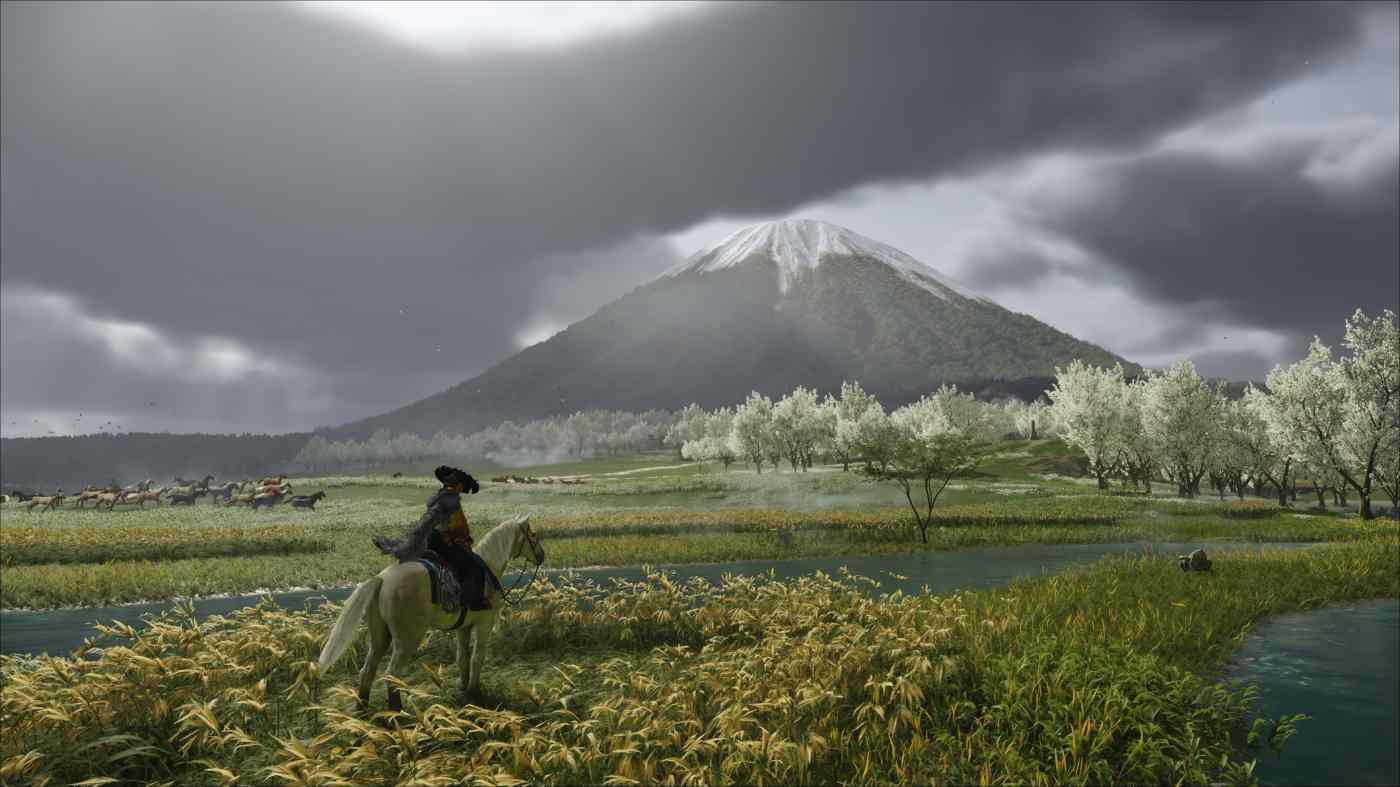
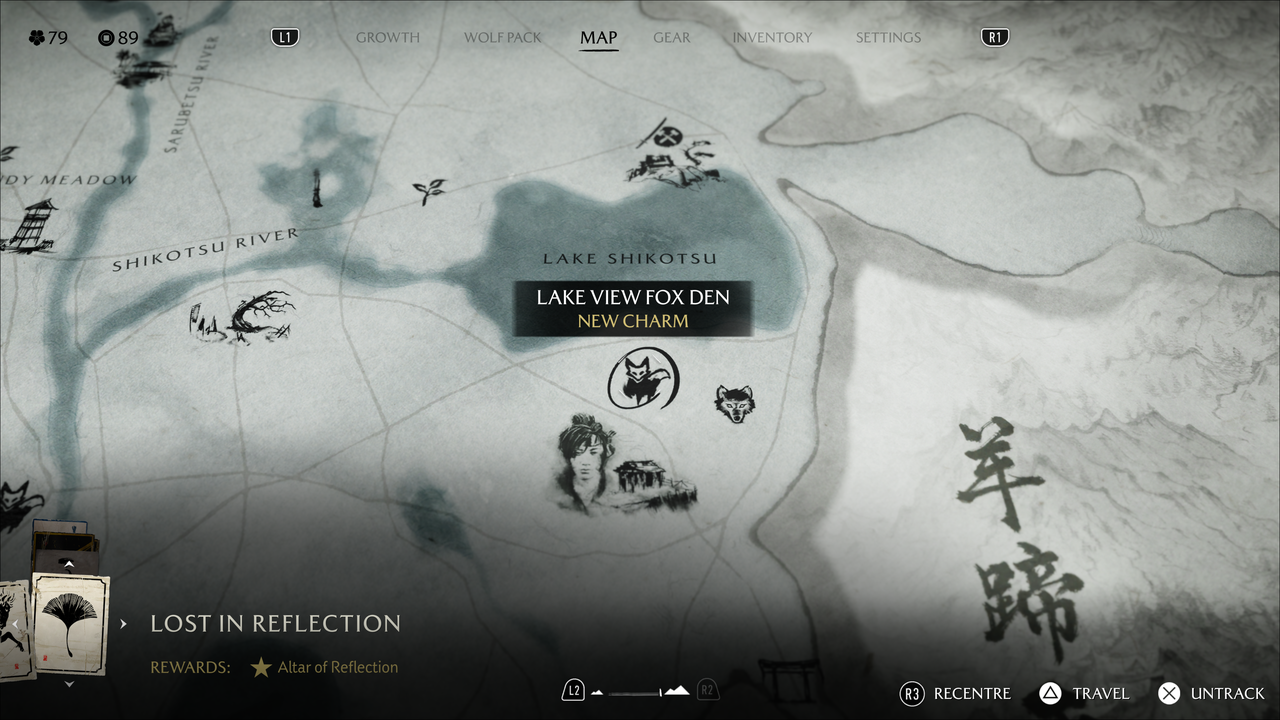
Their technical and artistic beauty aside, these magnifications of parts of the landscape necessitate a few, rather unfortunate sacrifices. My first and likely greatest disappointment with the game came early on, just moments after the majesty of Yotei in all its Playstation 5 glory had been flaunted before my face. The main character’s home happens to be situated on a wide plane before the mountain, sitting cozily on the bank of a pond the game map refers to as Lake Shikotsu…
Come again? This glorified puddle, which sits ironically in the shadow of the game’s premier vista and narrative center, is meant to be Lake Shikotsu? Memories of my recent visit to the actual lake flooded my mind with all the power of a preternatural vision.
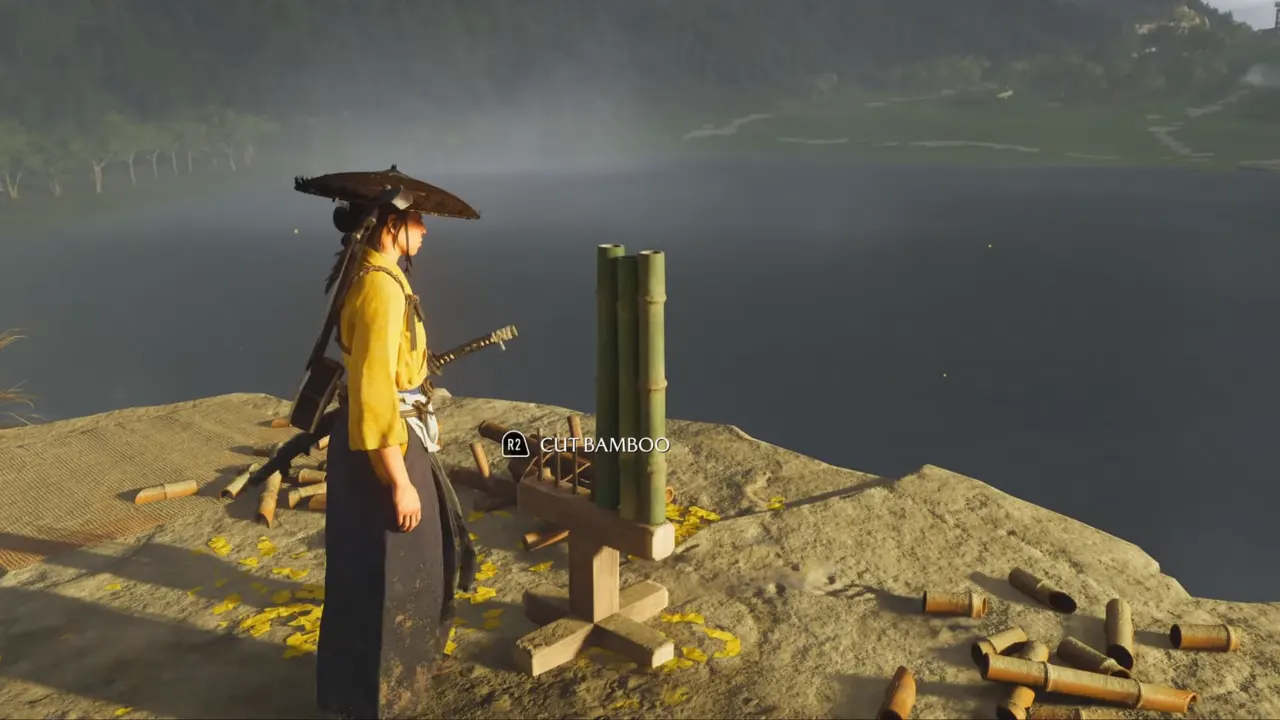
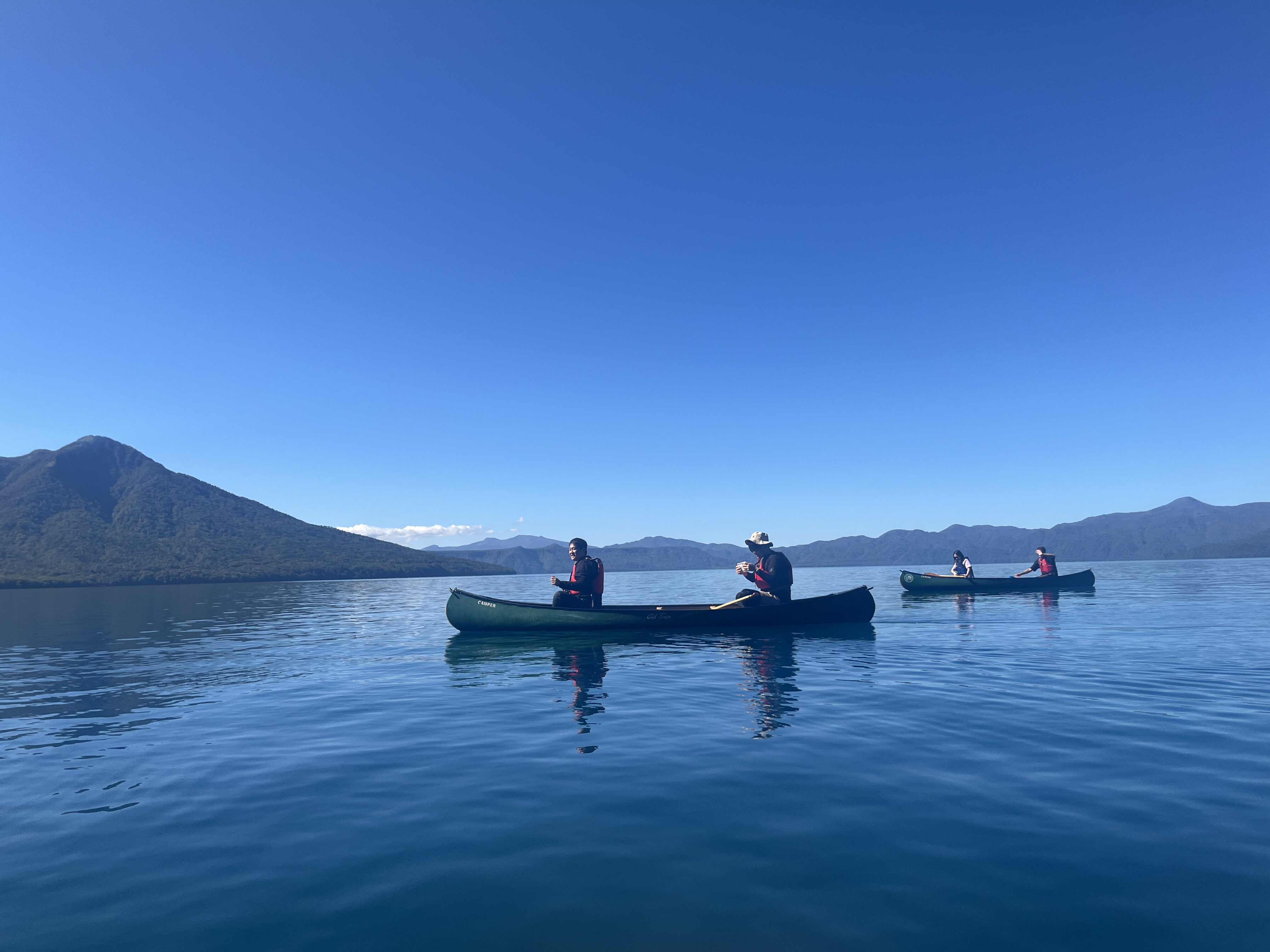
I remembered water that was at times a sapphire blue with darkness in its belly, and at others a clear shade of turquoise that revealed the depths of the lake with confidence–or rather, refused to. I remembered canoeing across that water, beneath a cloudless October sky even bluer than the lake below. I remember skipping stones from treeshade on the rocky bank, with a tin cup full of hot coffee in my other hand. I remember looking up in awe at Eniwa, Tarumae, and Fuppushi–three of five volcanoes surrounding the caldera lake which was formed after an eruption beyond human comprehension tens of thousands of years ago.
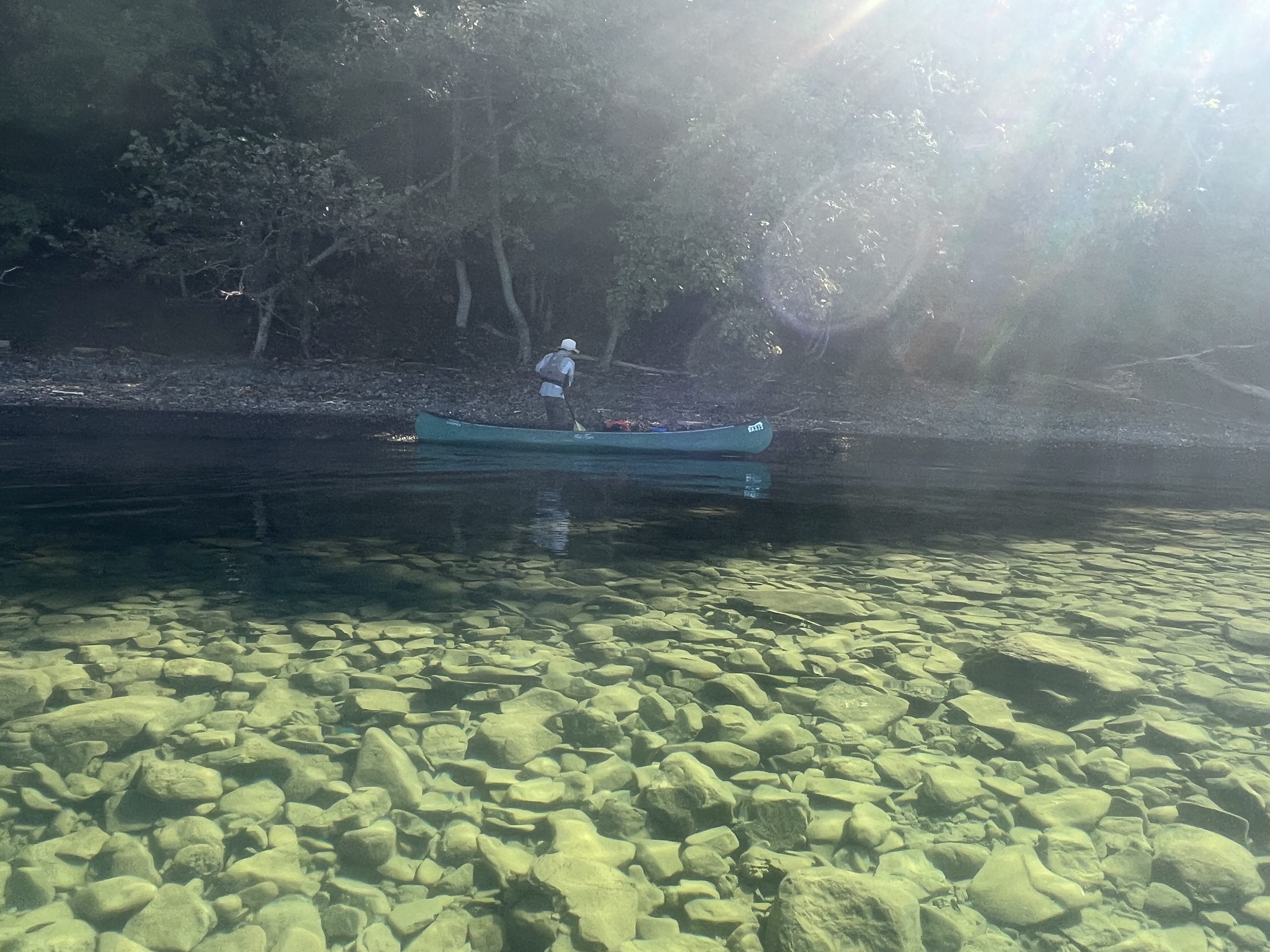
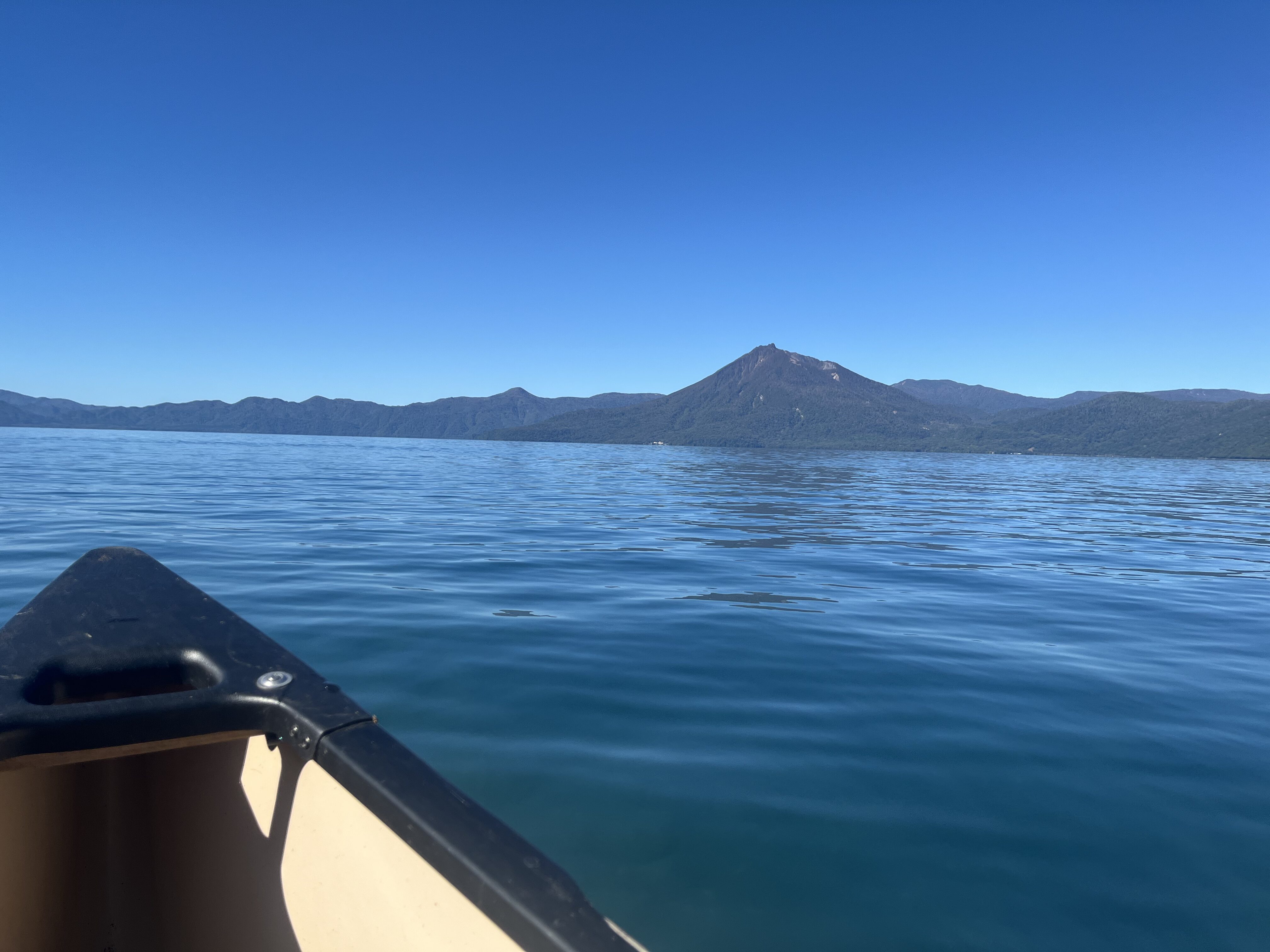
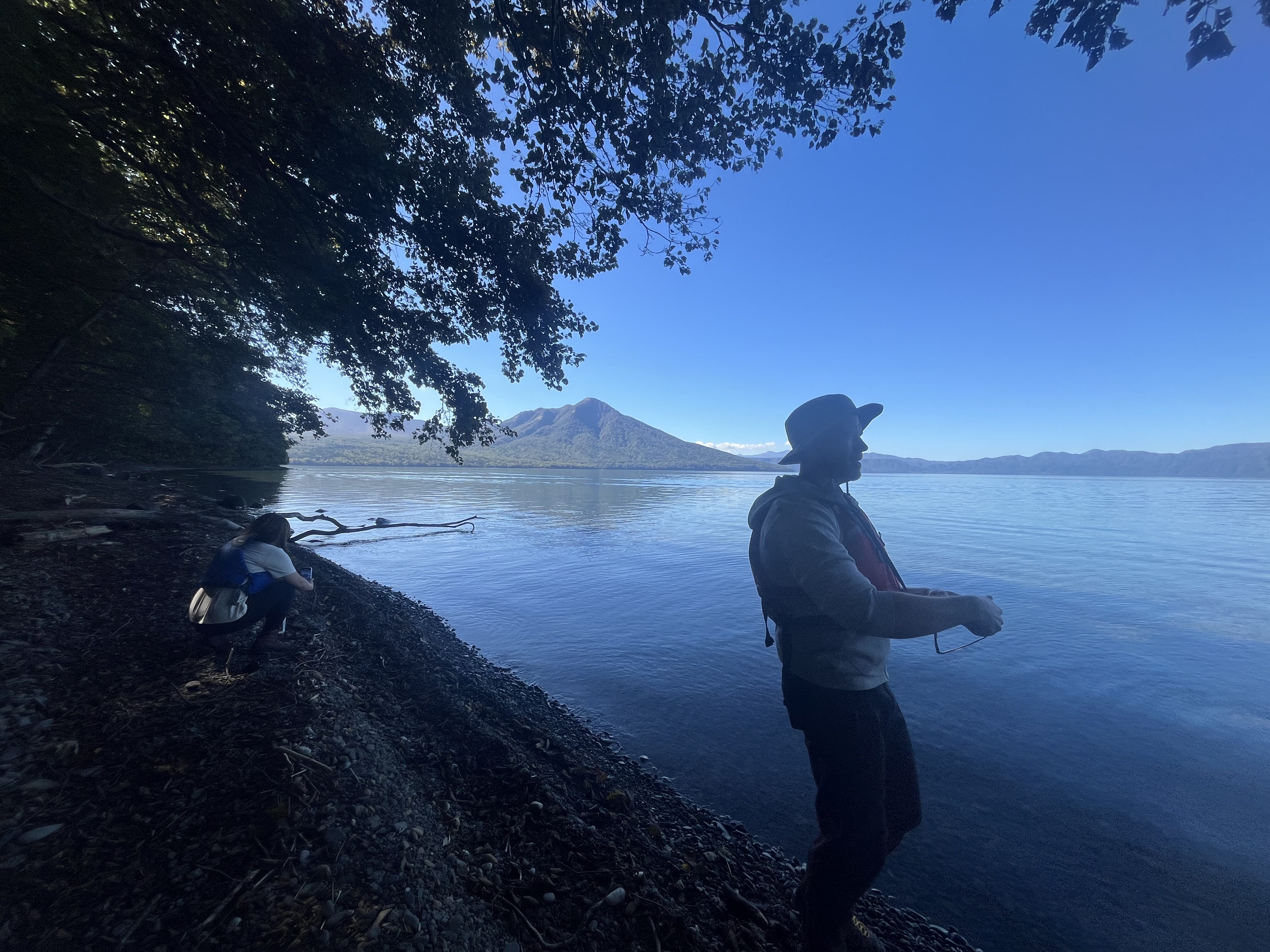
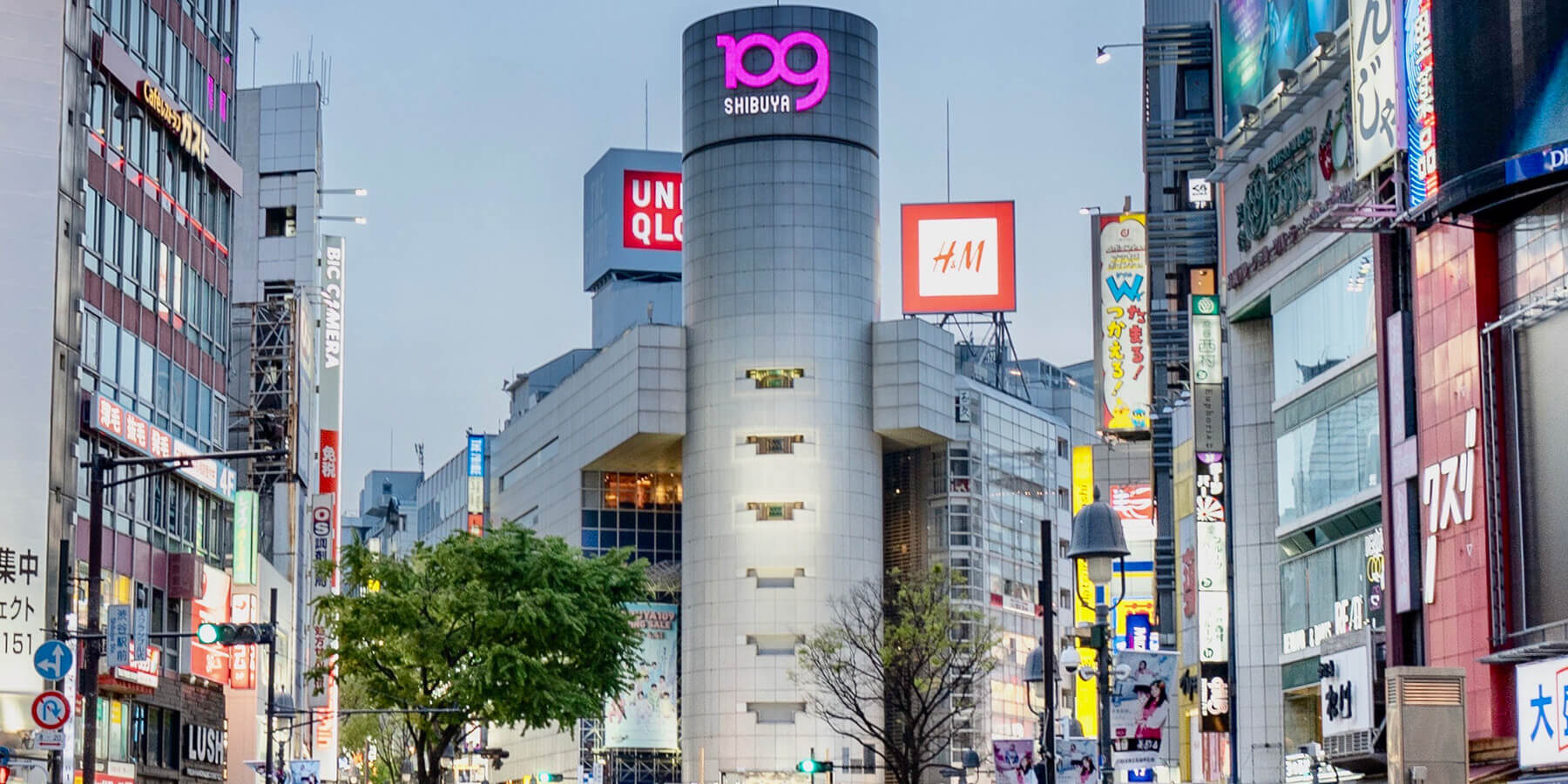
In a way, I ought to be grateful to Ghost of Yotei for inspiring such a violent rush of memories. Can I really call this a disappointment? By experiencing this digital macro-Hokkaido, the real micro-Hokkaido had only tightened its grip on me. I had felt similarly when first experiencing the pop-punk Shibuya of The World Ends with You after spending one too many late nights in the real thing, and also when I visited the real Sapporo after a bare-knuckle death match with a giant brown bear in the digital Tanukikoji Shopping Arcade of Yakuza 5.
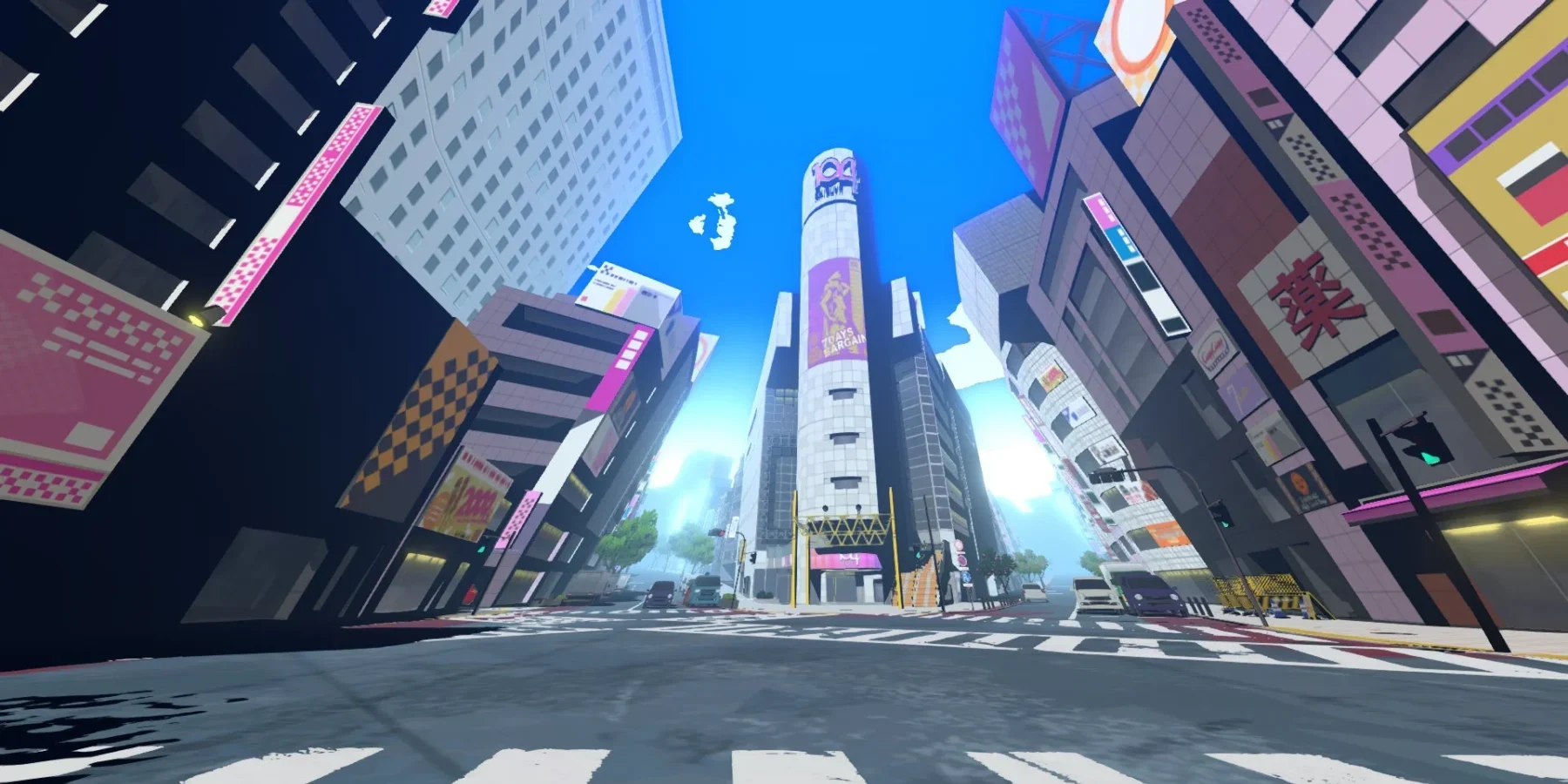
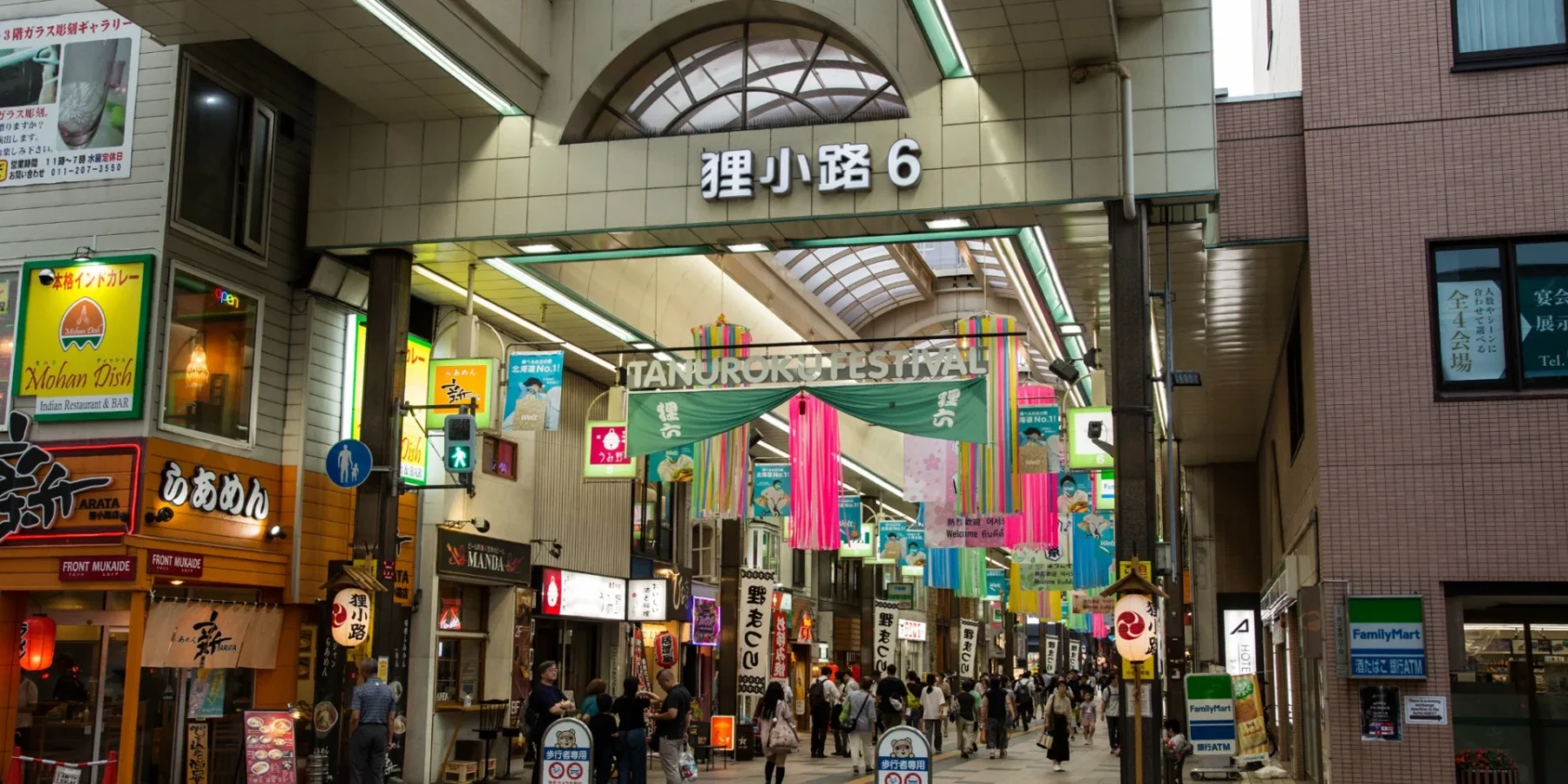
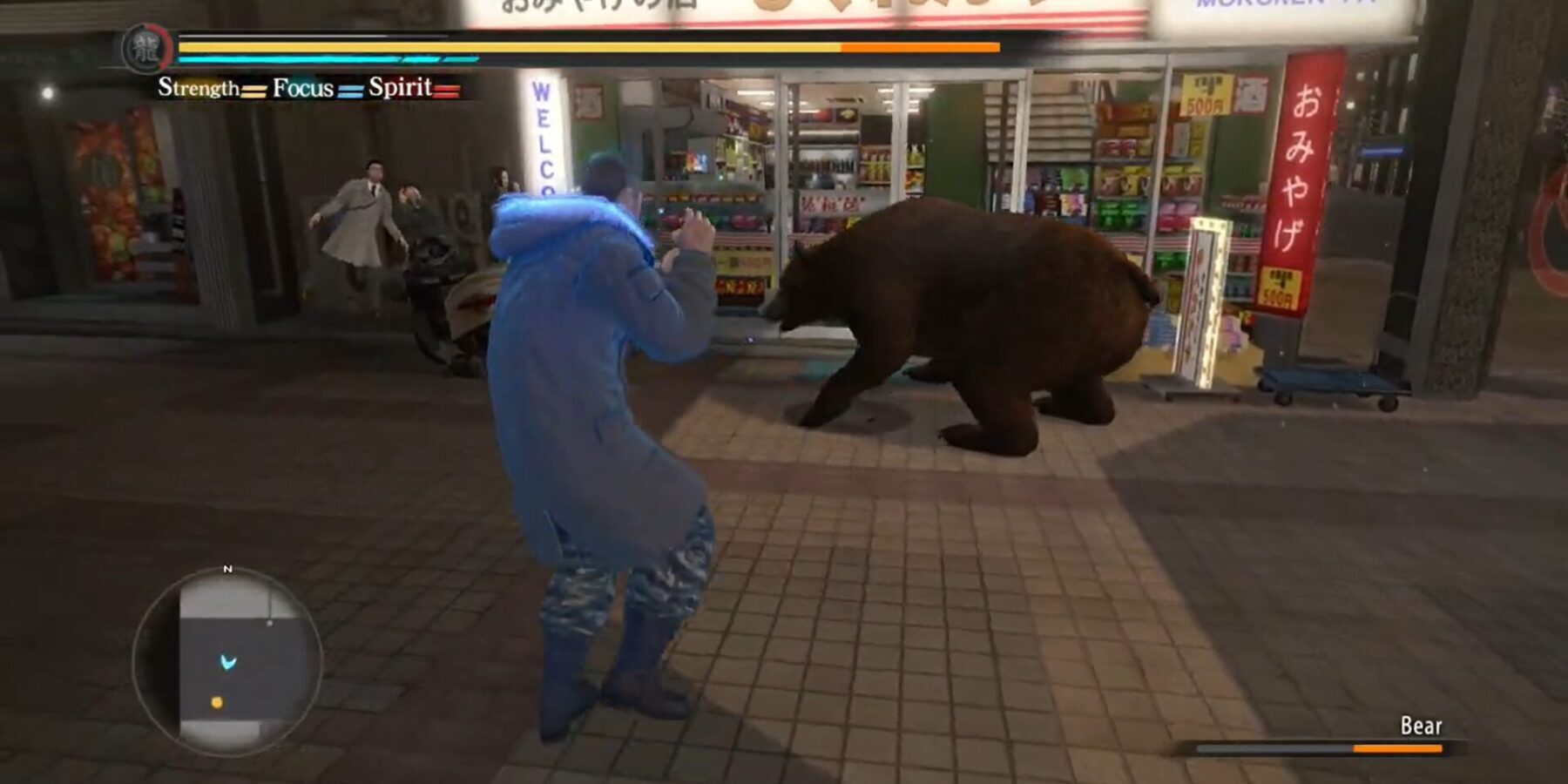
Therein lies the appeal of digital sightseeing. Rather than a replacement for actual travel, it works better as a supplement–no, a complement–to it, creating an intense, fascinating friction between real and imagined spaces.
This of course begs the question, when will the Yakuza series take us back to Sapporo?
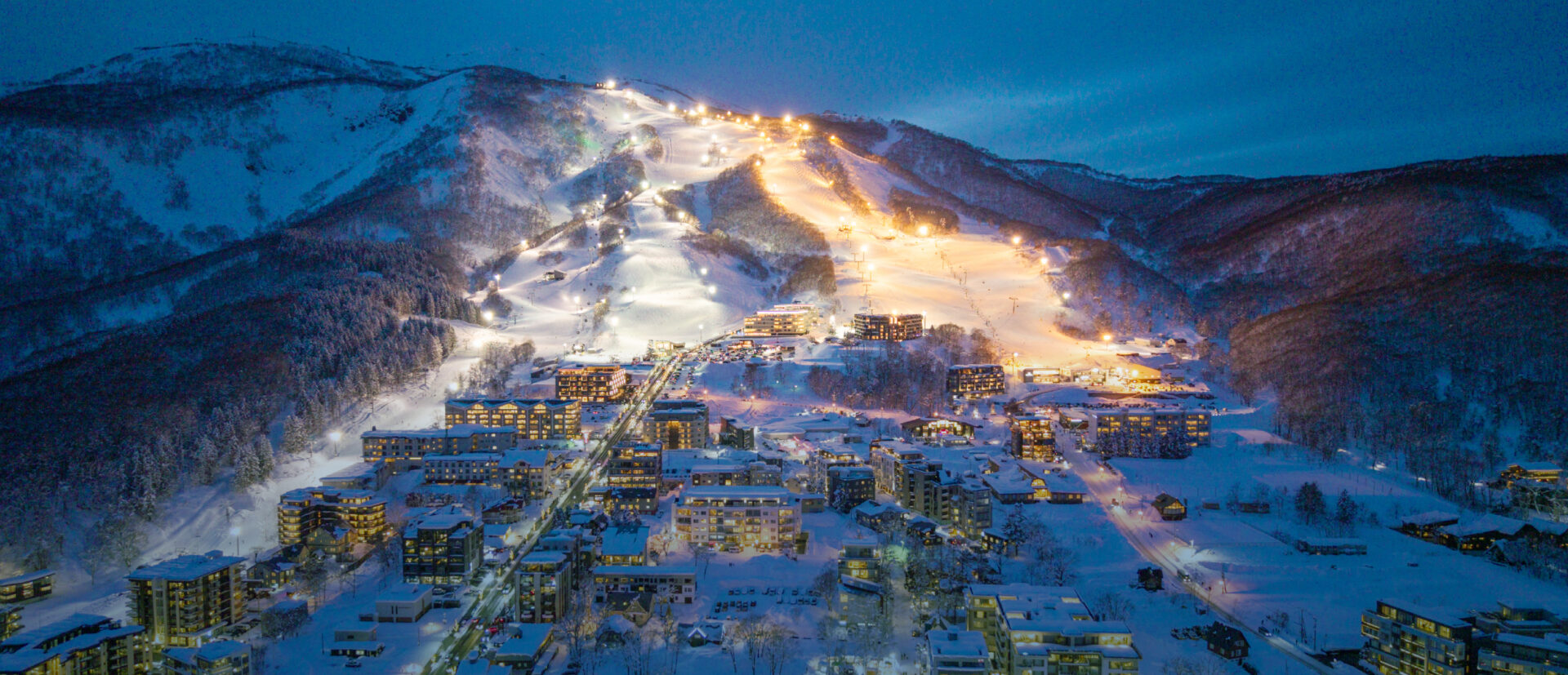
This journey began with a marsh, so it’s only fitting it ends with one too. Shinsen-numa Pond, which like Lake Utonai is much more than its name suggests, can be found near Niseko. Yes, that Niseko, the one your rich Australian friends ski at every year. But it’s a far cry from the ski resort’s slopes.
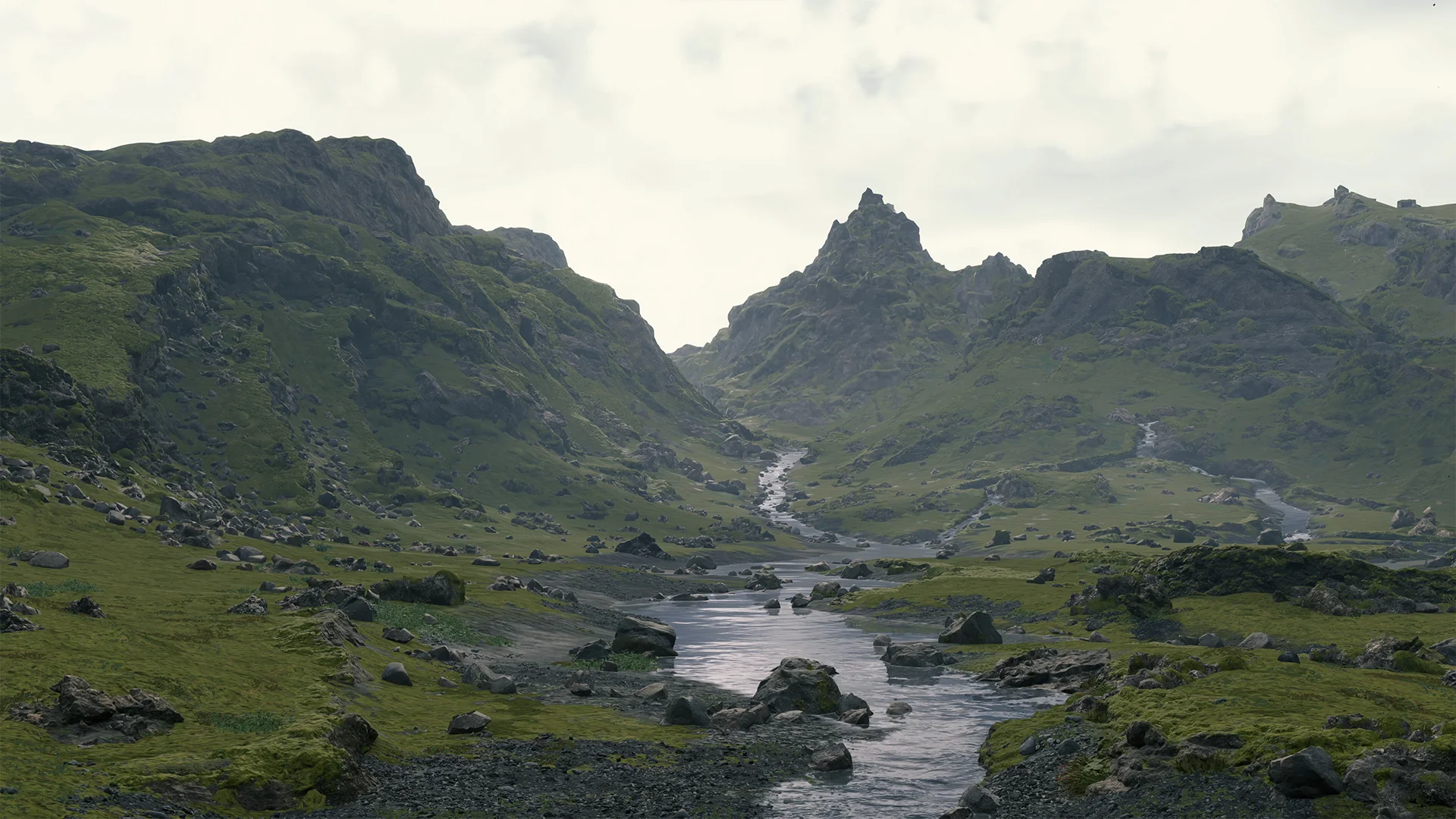
My image of a so-called tarn was that of Mirror Lake in Colorado or Lake Agnes in Alberta. For the uninitiated, a Google search of these two will probably spit out something like a Bob Ross painting: a little lake nestled in the depths of a mountain range, with the surrounding scenery often beautifully reflected on the water’s surface. Lake Naganuma, about a twenty-minute hike from Shinsen-numa Pond, more or less fits the bill here, although my visit coincided with cloudy weather and light rain, creating an atmosphere similar to the lonely, foggy mountain vistas of the video game Death Stranding.
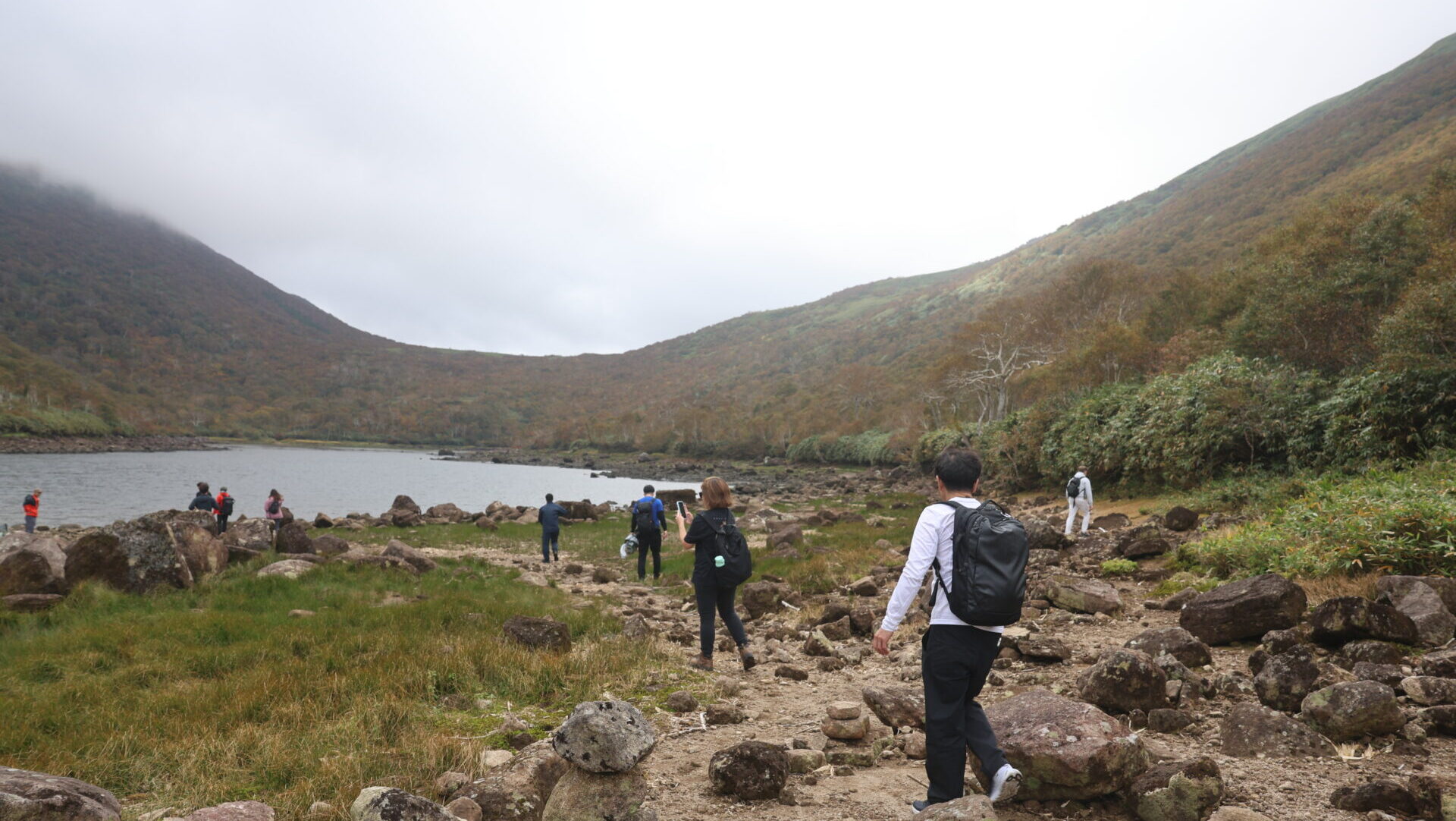
Shinsen-numa Pond proper is a different story.
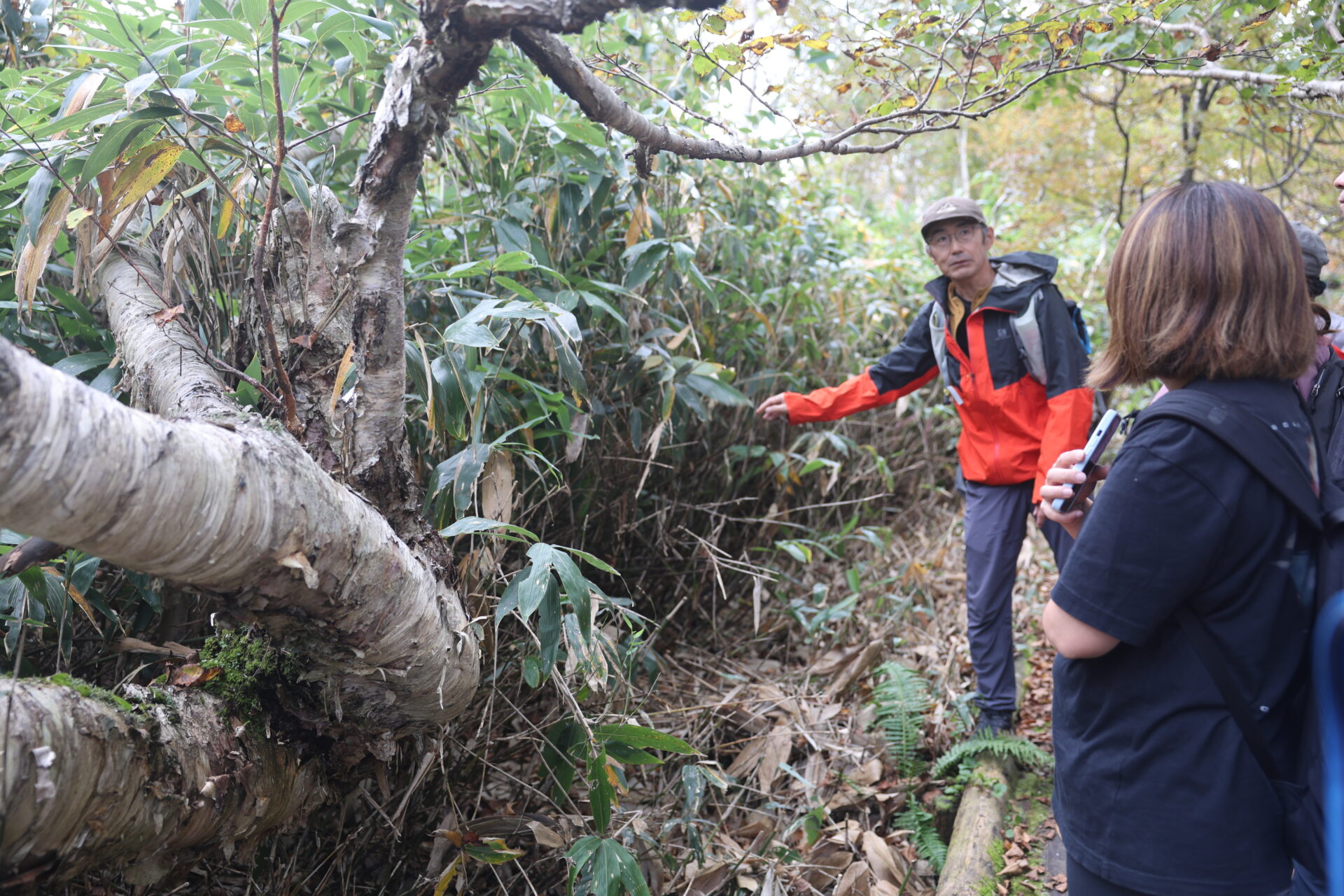
As we hiked on towards the pond, my guide, Ryuta Furuichi of Mountain Guide Coyote, explained the dense mix of trees, flowers, and ferns that spilled out onto the wood-plank path. There was something wild, something delightfully claustrophobic about the path, qualities that were only complemented by the signs warning visitors of wild brown bears in the vicinity. Just when I thought I’d had my fill, the path gave way to open sky and a steep drop off that looked out onto the Shakotan Mountain Range and, would you believe it, the Sea of Japan. In the space of ten minutes, I had gone from spitting out leaves and pulling moss from my hair to gazing out at the literal edge of Hokkaido off in the distance.
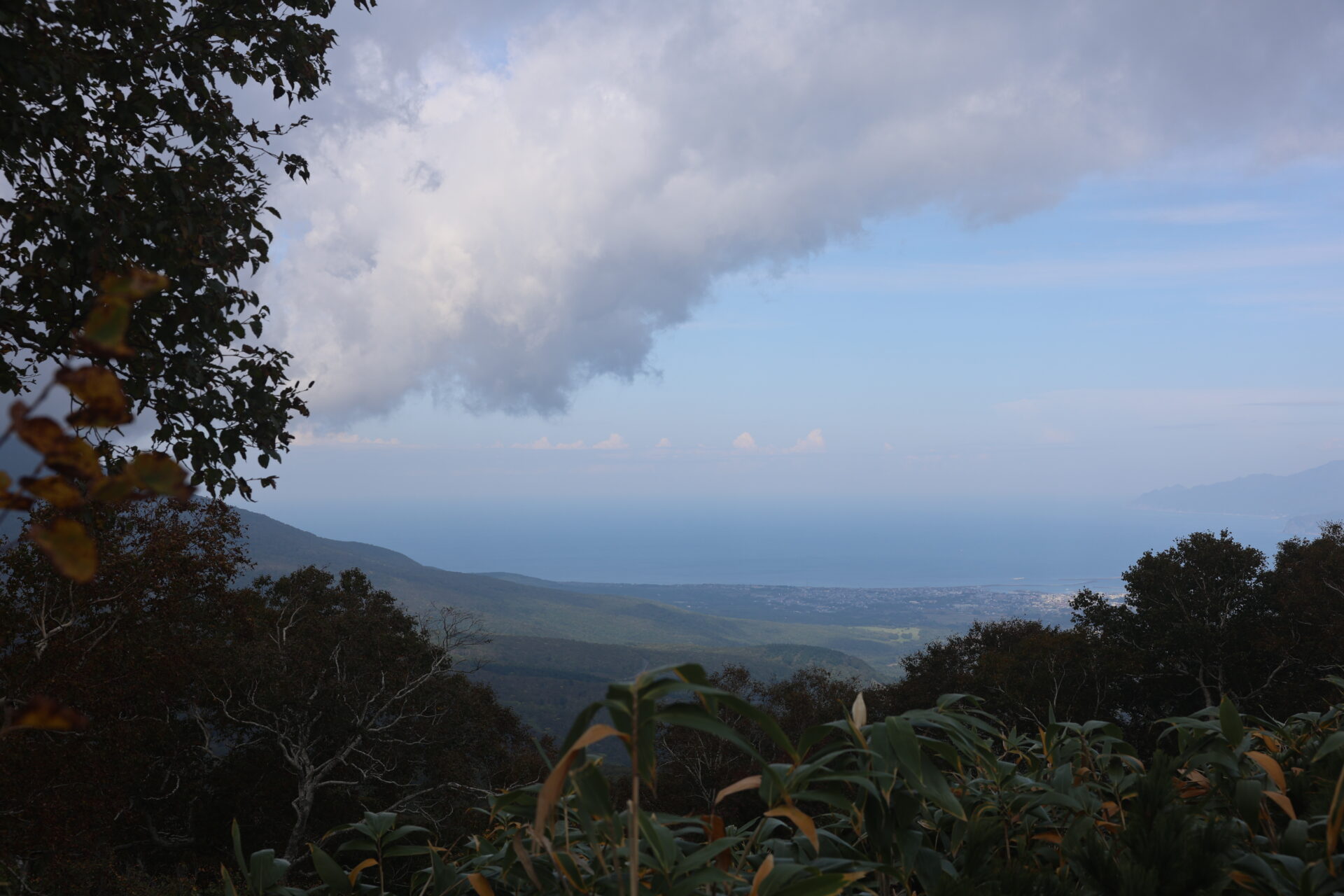
We looped back into the mountain greenery, before emerging into a wide clearing. Trees were sparse here, the wooden path winding its way ahead of us through waist-high grass that had orangeed with the fall. The wind–part sea-breeze, part mountain air–swept across the clearing. The amber grass buckled over here and there, and something sparkled at its root–water. Further along, larger stretches of water appeared amidst the grass, and in each pool, the swaying grass and the overcast sky were reflected. Keeping watch over the marshland was the peak of Chisenpuri, shrouded in fog then.
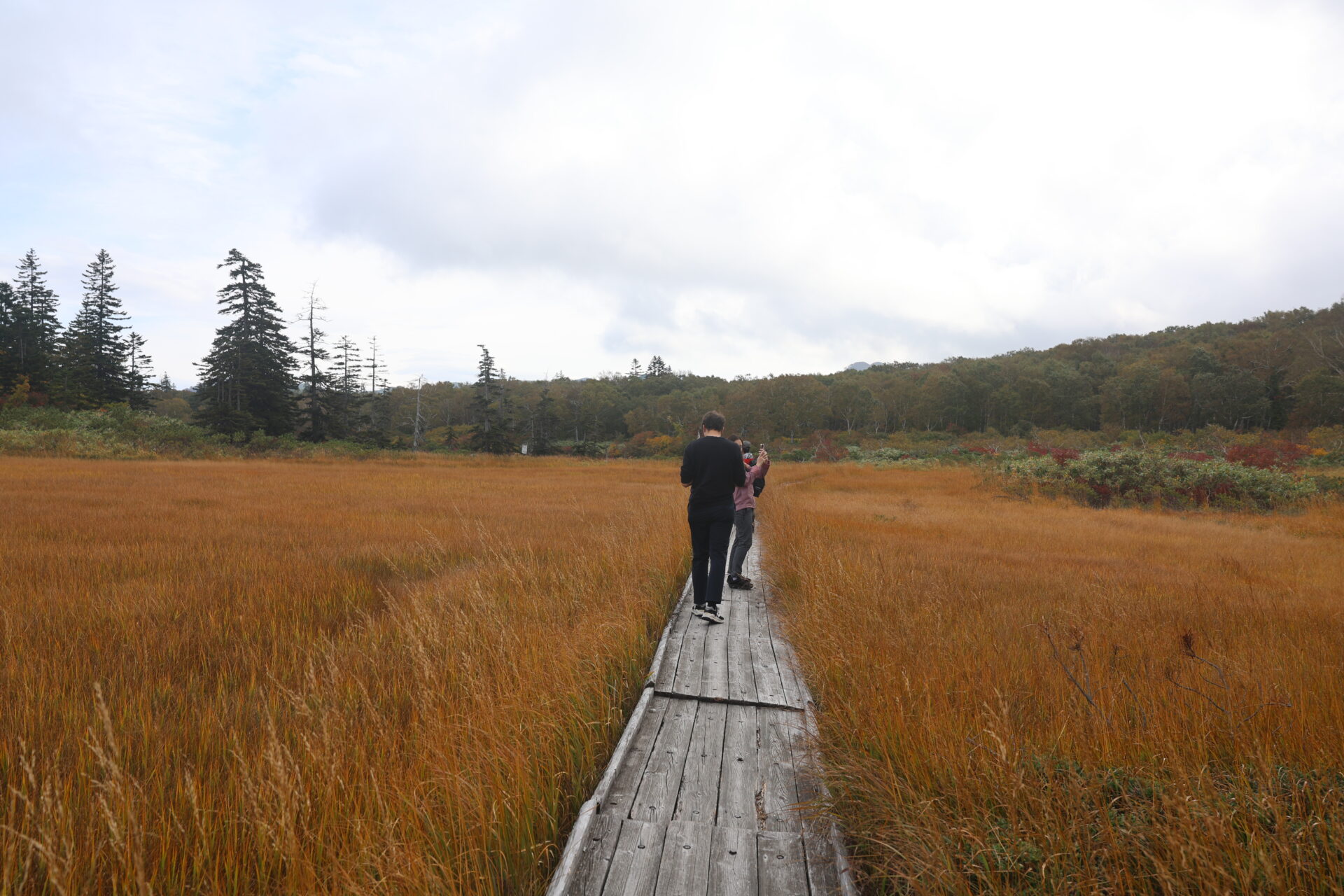
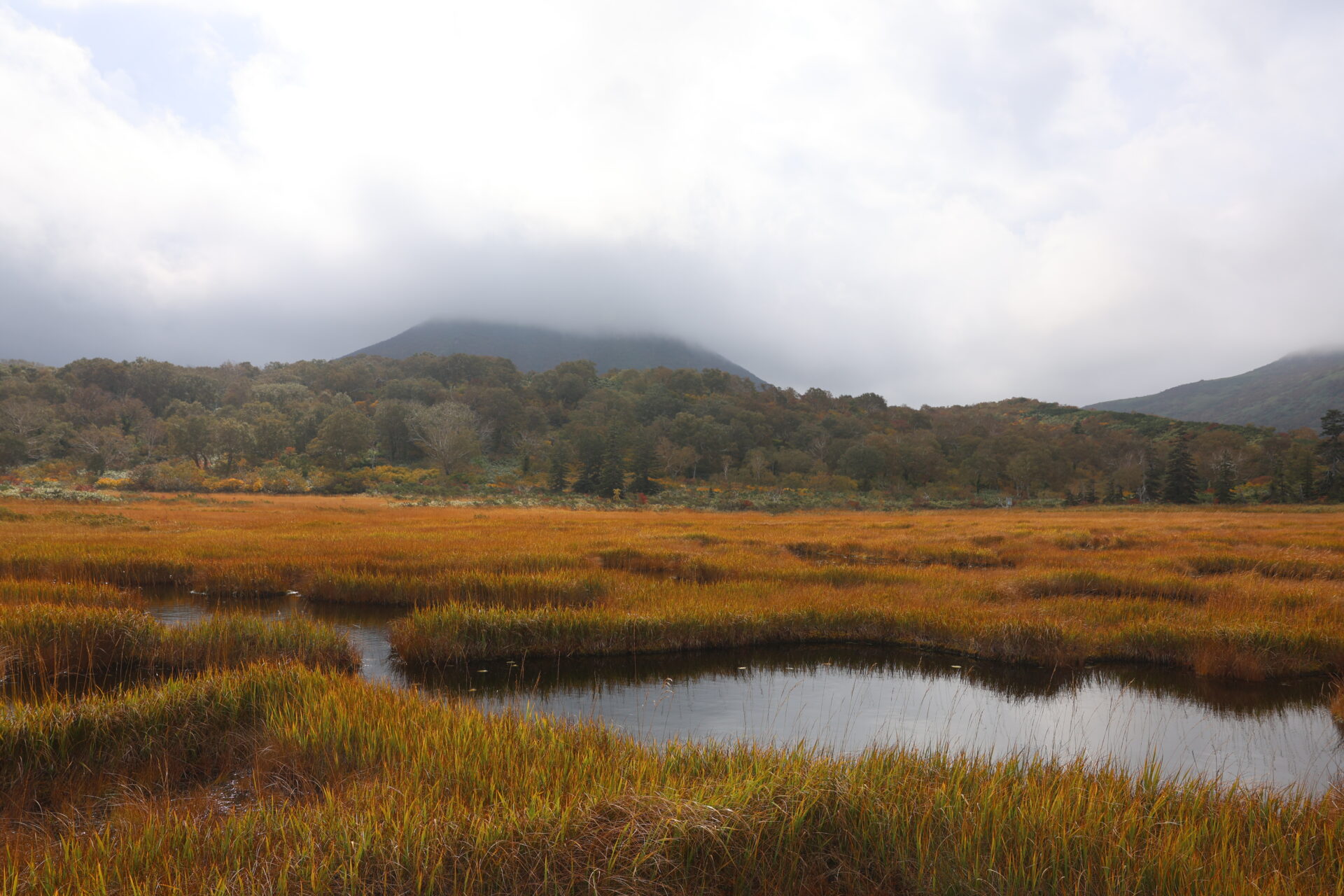
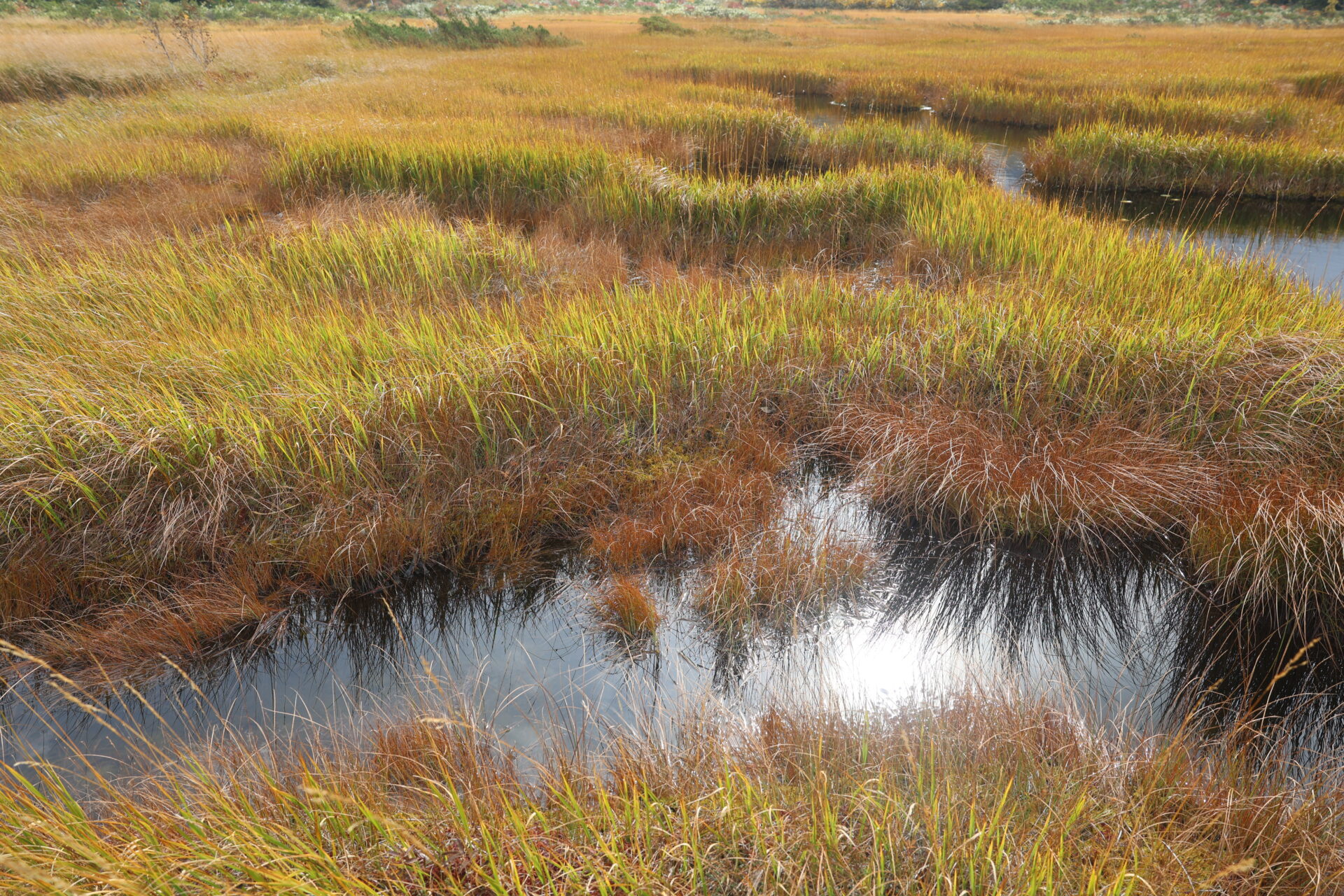
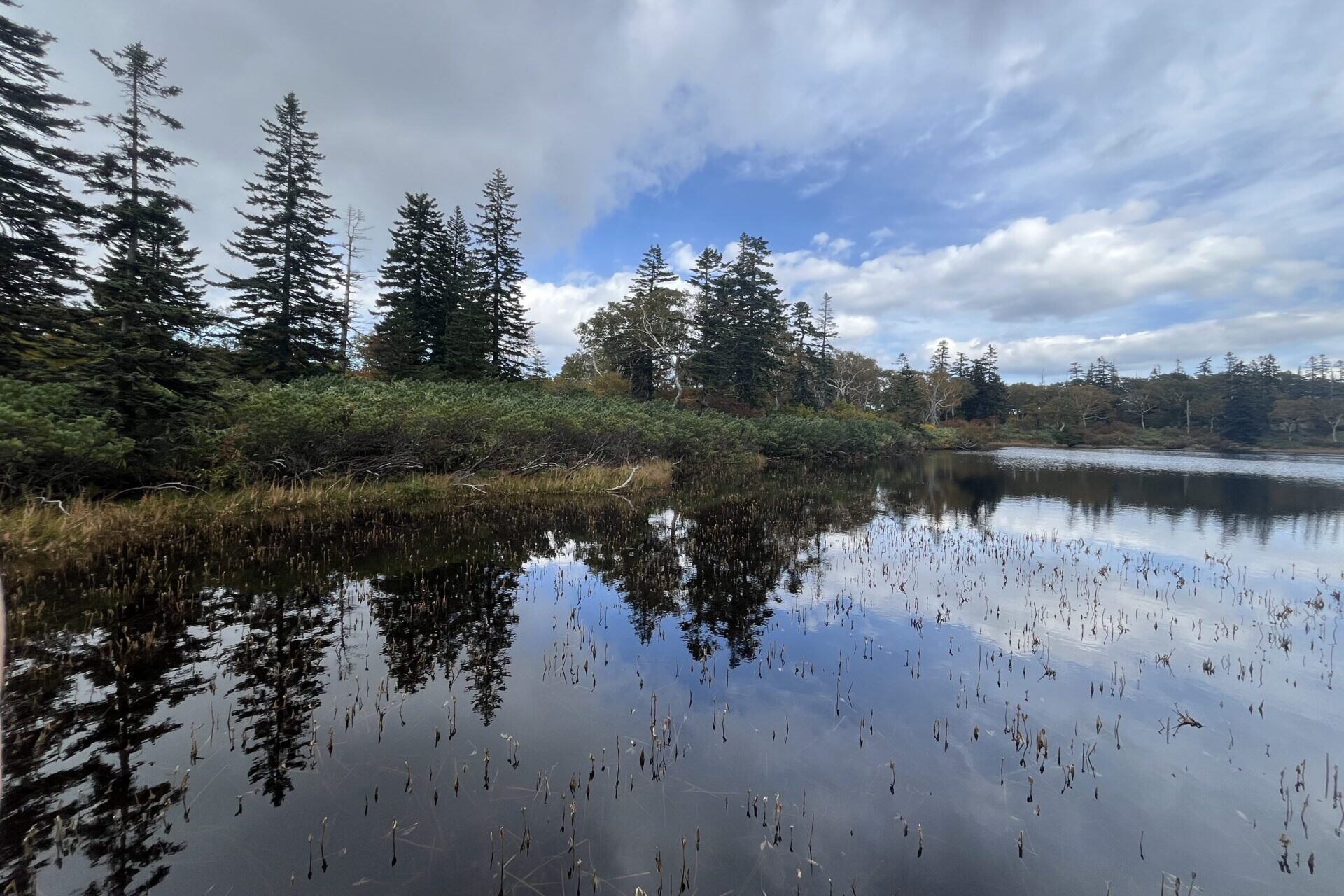
Shinsen-numa was named as such for its “mystical” atmosphere. It struck early Japanese spectators as a place where gods and ascetics would reside. And it struck this writer in just the same way. An integral part of this impression were the views of sea and mountain that enveloped the marsh, holding it at their center like a jewel. Stepping inside that jewel–the quiet interstice between two separate realms–invoked a series of emotions not unlike what I experienced in the steamy halls of Noboribetsu’s Daiichi Takimoto-kan. But Shinsen-numa is distinct in that its liminal qualities are born not from history, but from its contrast with the vast, diverse scenery around it and the odd sense that a marsh like this ought not exist on the slopes of Chisenpuri. Mystical, indeed.
—
It’s only appropriate that the magic of Hokkaido’s nature derives itself from that most essential condition for life, water. The waters of West Hokkaido flow through complex, layered histories, through fantasies and fictions, through epic spaces of color and distance where the fragility of the earth is laid bare, and all we can do is stand in awe at our smallness.
—
We produced a non-winter tour based on our route through West Hokkaido that includes many of the destinations written about here. For the Hokkaido rookies out there, look no further.
https://wawojapantours.com/tour/west-hokkaido-before-the-snow-history-and-hikes/
For specialized requests, including tailor-made itineraries for luxury, group, and private travelers, please contact us from our inquiry page.
<Content & Images>
All images not owned by WaWo Japan Travel were obtained from the following:
4gamer
AIR DO
Daichi Takimoto-kan
GamesRecon
Press Start
Hokkaido Love
IGN
The film Unforgiven (2013)
Kotaku
Myuuka Kabushikigaisha
The Youtube Channel “Lemmy”
<Author>
Joseph Bayliss
Travel Consultant at WaWo Japan Travel