
For anyone familiar with Yayoi Kusama’s work—or simply fascinated by the artist behind those instantly recognizable polka dots—there is no better place to start than Matsumoto, her hometown in Nagano Prefecture.
Yayoi Kusama may be the reason you first hear of Matsumoto, but she is only the beginning of the story.
Here, contemporary art meets the history of a traditional castle town, with old streets, local crafts, Shinshu cuisine, music festivals, and hot springs all adding to the city’s unique character.
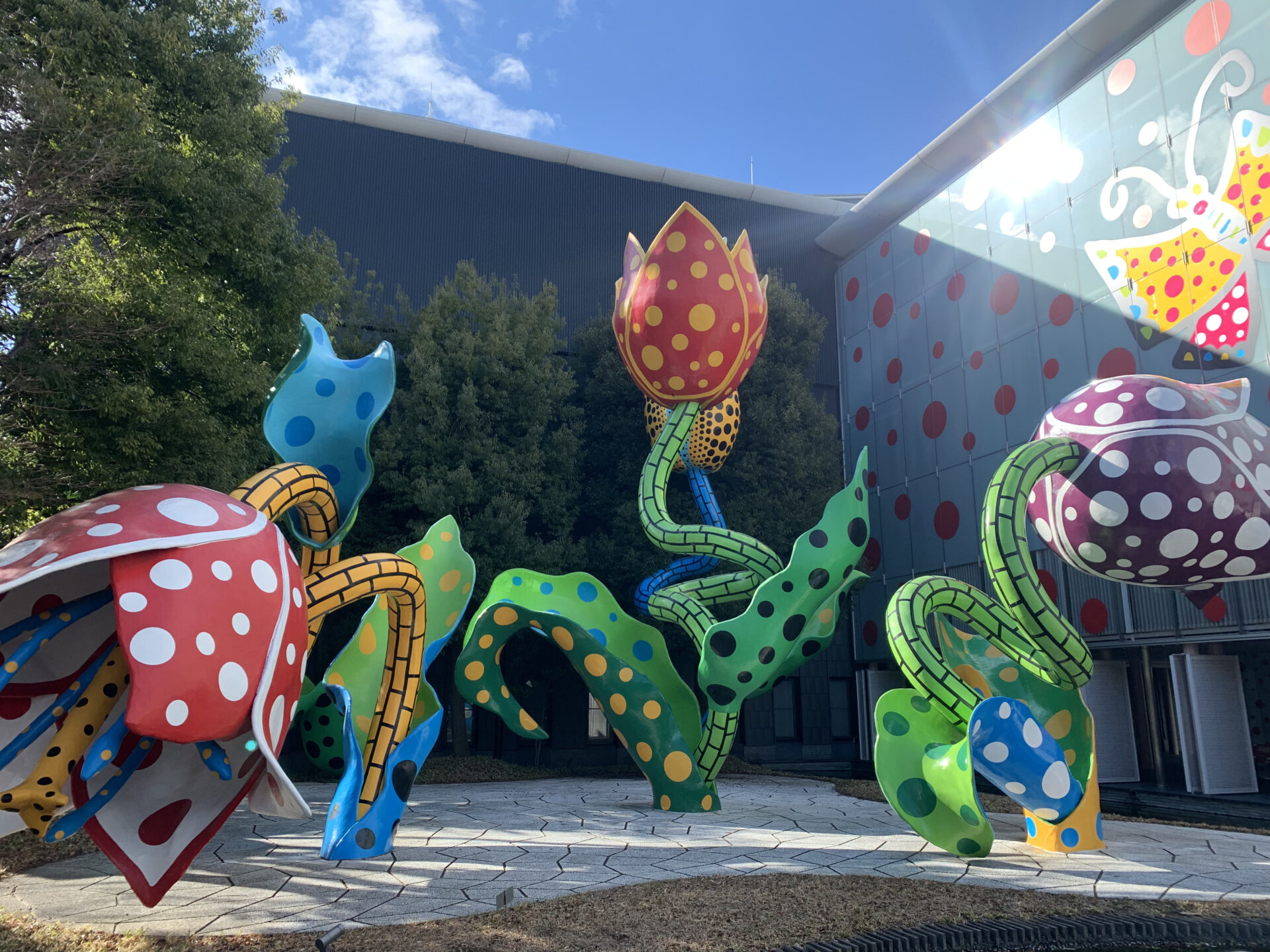
Yayoi Kusama was born in Matsumoto, and her connection to the city can be felt throughout the Matsumoto City Museum of Art.
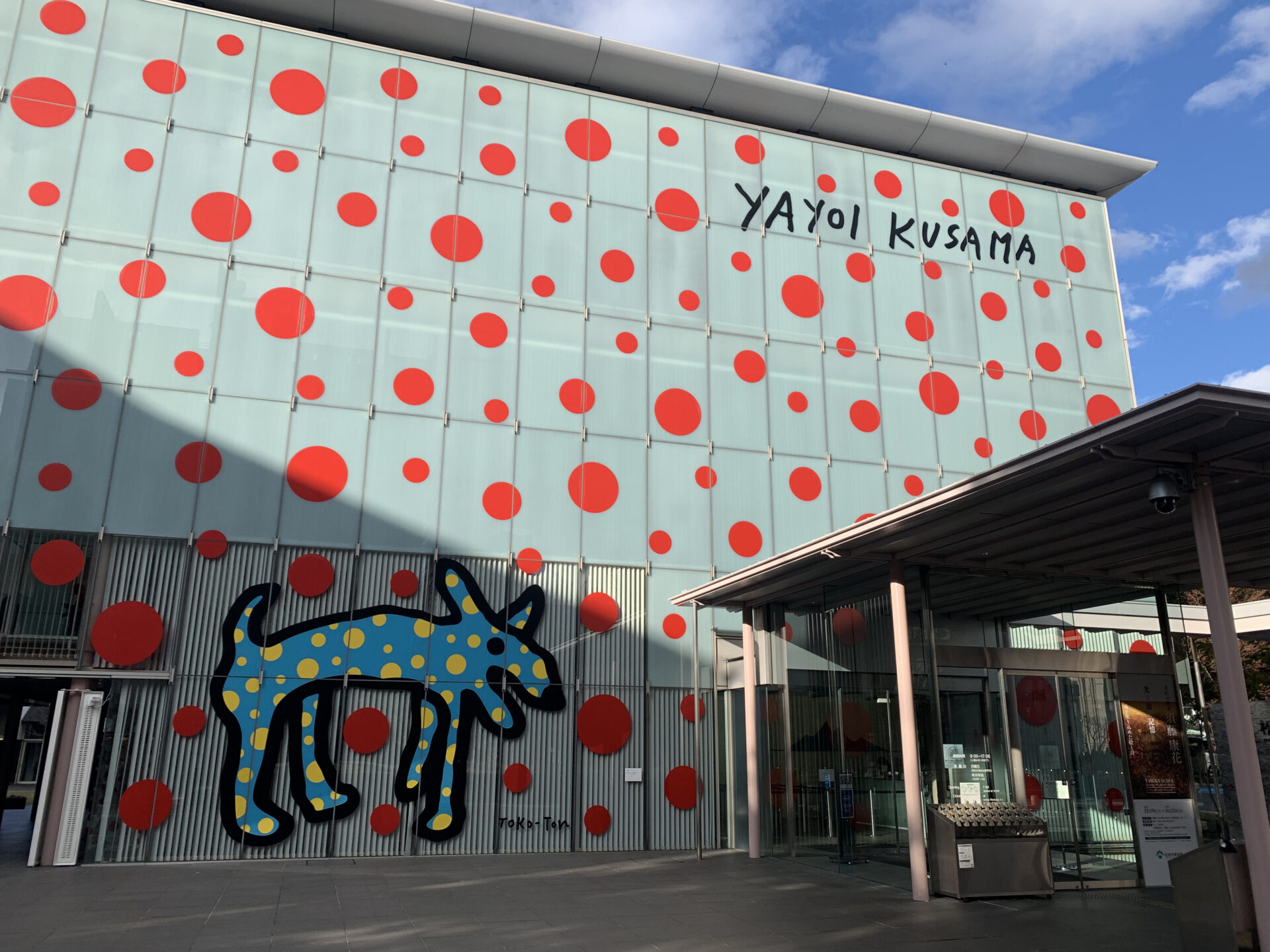
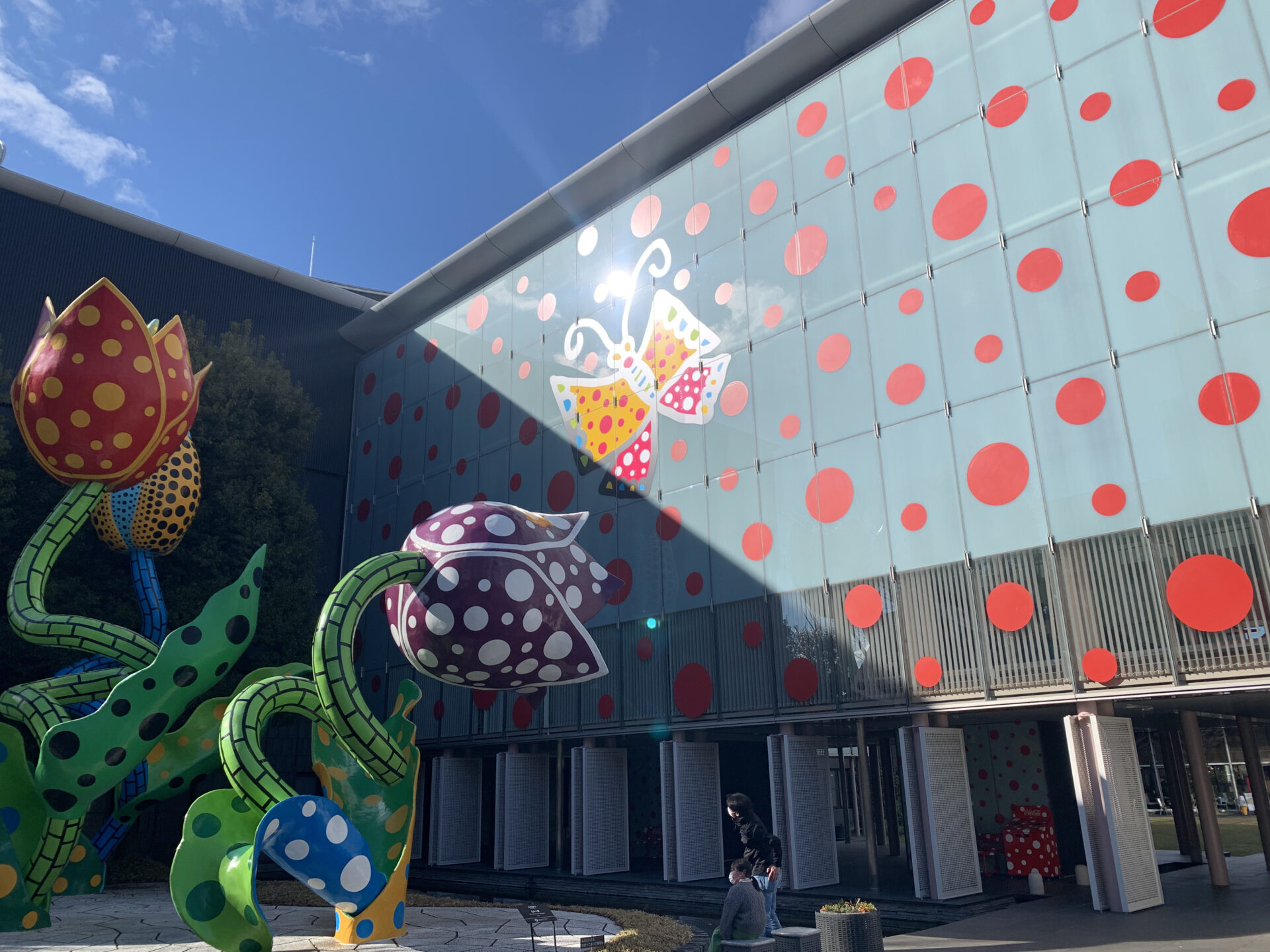
One of the museum’s highlights is her large-scale flower sculpture, Phantom Flower. Her signature polka dots can also be found throughout the museum, appearing on its glass windows as well as on vending machines, benches, and even trash cans outside.
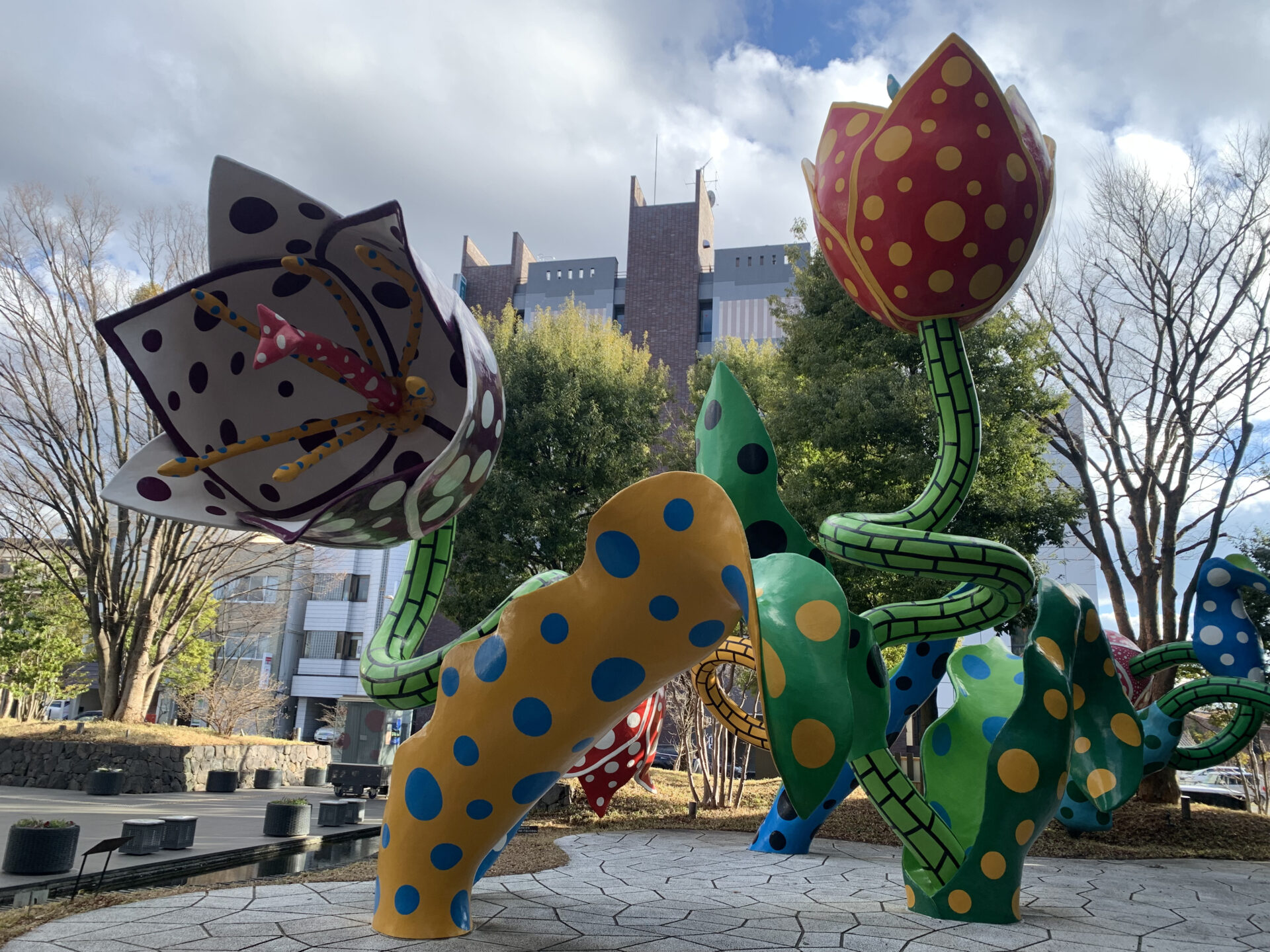
Inside, visitors can explore works connected to Kusama and trace her journey from Matsumoto to the international art world. For first-time visitors, the museum is an essential stop for understanding the artist and her connection to the city.

If you’re interested in Japanese castles, Matsumoto Castle is one sight you won’t want to miss. Along with the famous Himeji Castle, it is one of only five castles in Japan whose keeps are designated as National Treasures. While Osaka Castle may be more familiar to many international visitors, Matsumoto Castle has a character all its own, with its original surviving keep and remarkably well-preserved historic appearance.
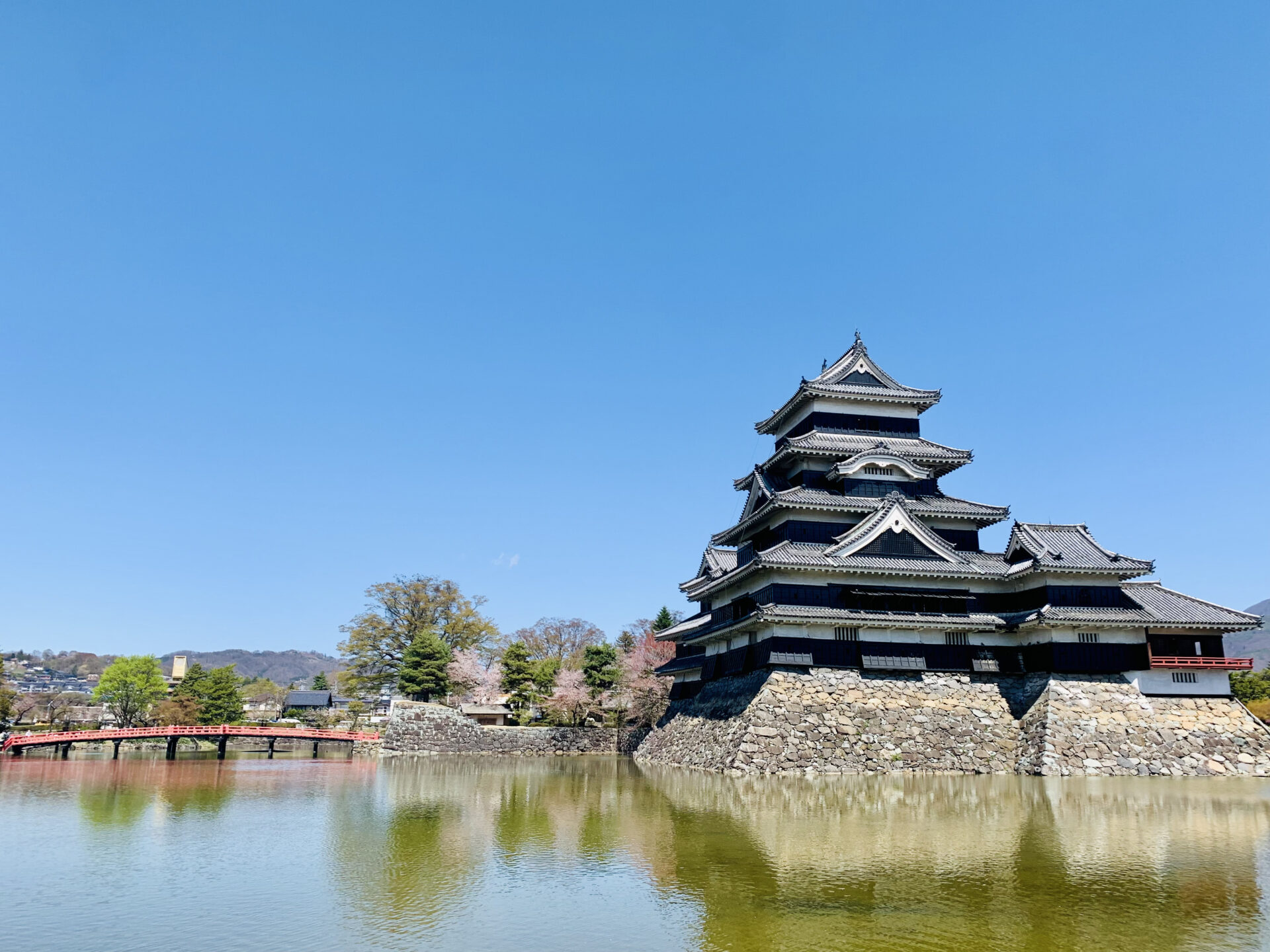
Its striking black exterior has earned it the nickname Karasu-jō, or “Crow Castle.” Set against the mountains of Nagano, the dark keep has a distinctive presence that makes Matsumoto Castle instantly recognizable.
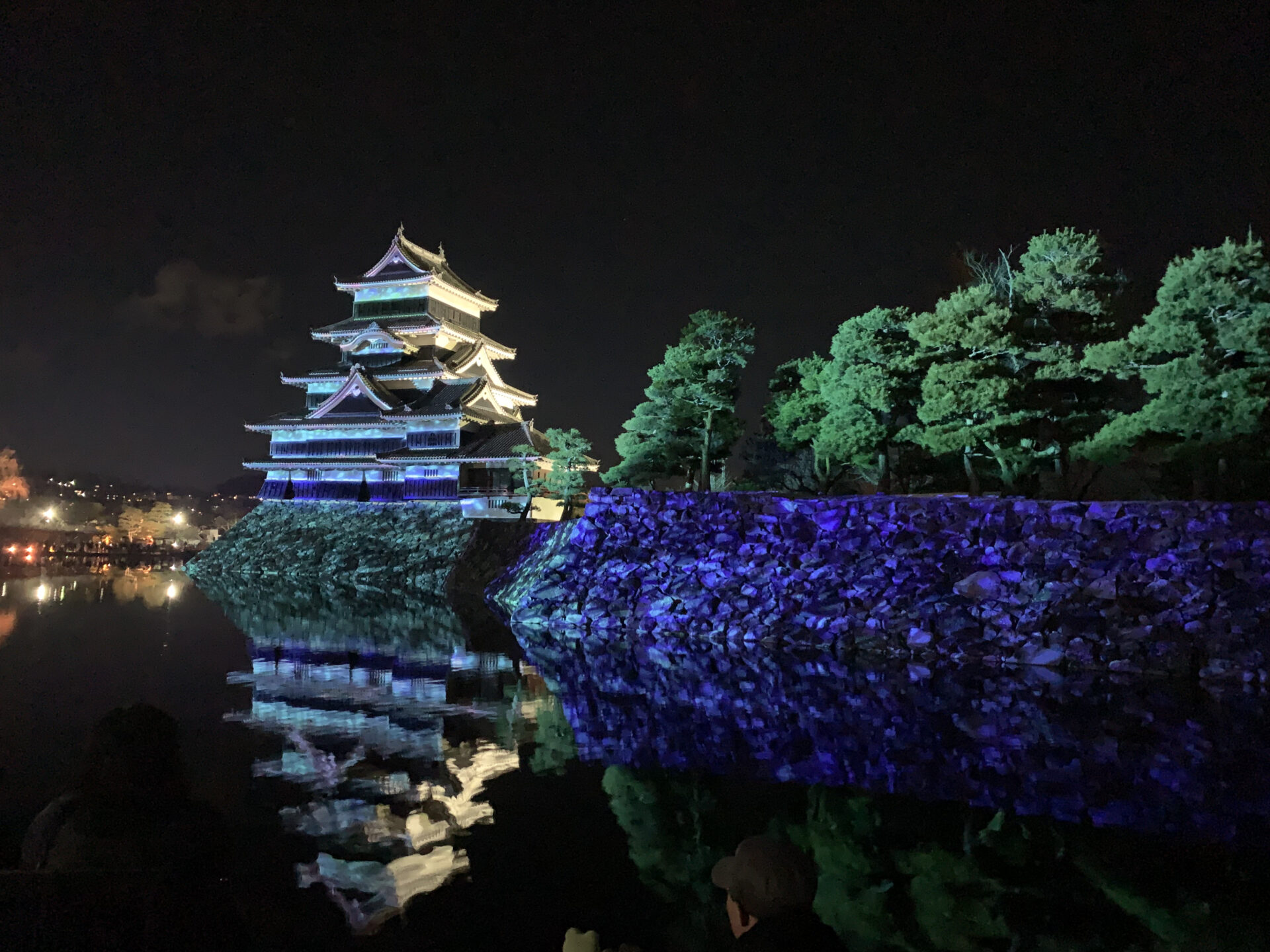
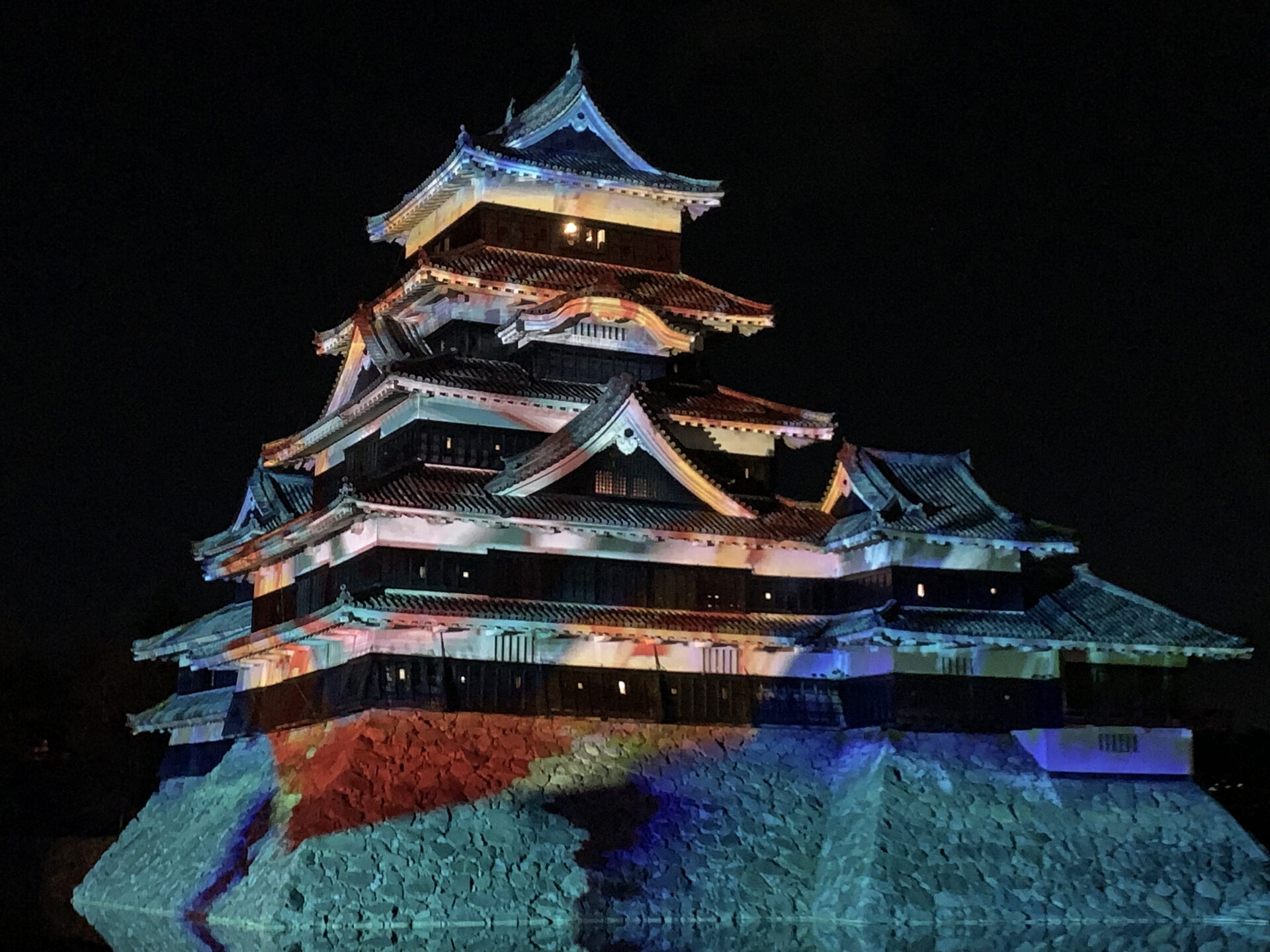
The castle also takes on a different character with the seasons. In spring, cherry blossoms frame the historic keep, while winter brings dazzling evening light displays, sometimes accompanied by thematic music.
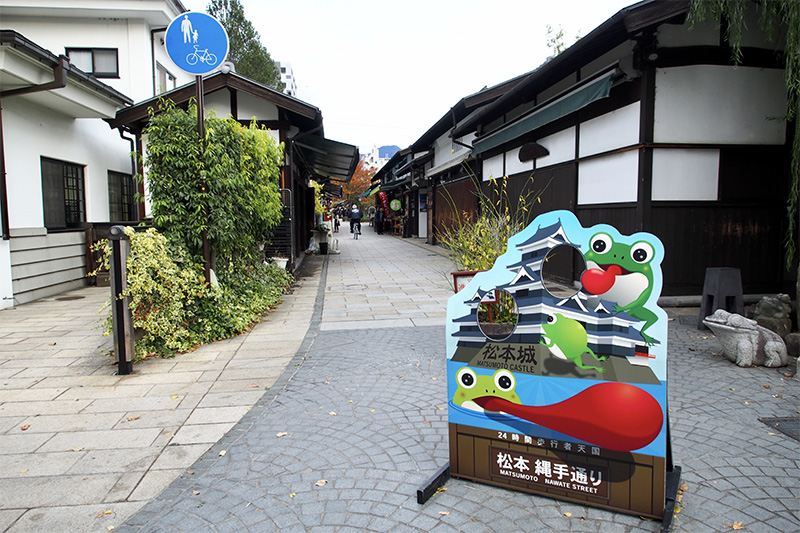
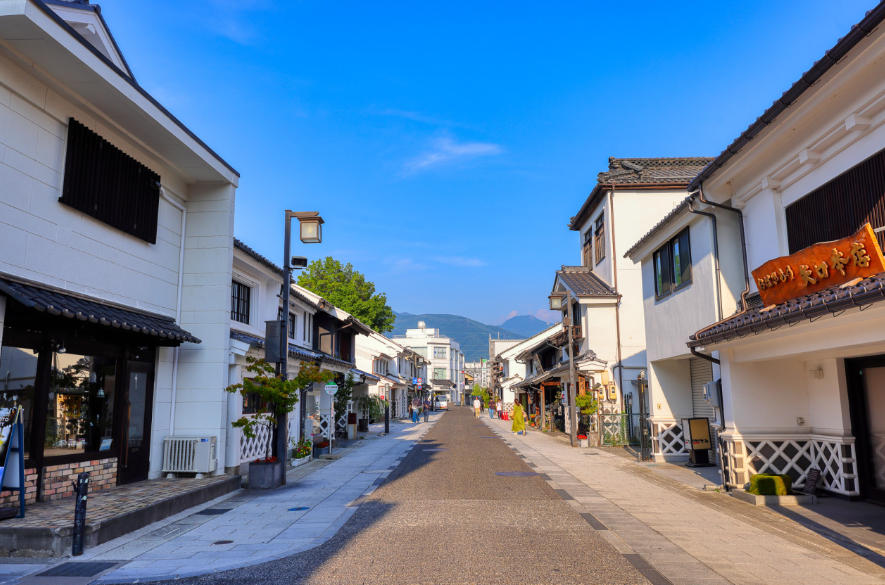
Matsumoto’s historic character is especially easy to appreciate on foot. The traditional castle-town layout remains visible around Nakamachi Street, Nawate Street, and Yohashira Shrine.
Nakamachi is lined with distinctive white-plastered storehouses with black lattice details, many of which now house craft shops, cafés, and local stores. Nearby Nawate Street has a more nostalgic atmosphere, with small shops and long-standing local businesses.
At the heart of the area is Yohashira Shrine, which enshrines four deities and is traditionally associated with the fulfillment of wishes.
This is the kind of neighborhood where it’s worth slowing down and simply seeing where the streets take you. Browse local ceramics, woodwork, textiles, and other handmade goods, or stop at a café when something catches your eye.
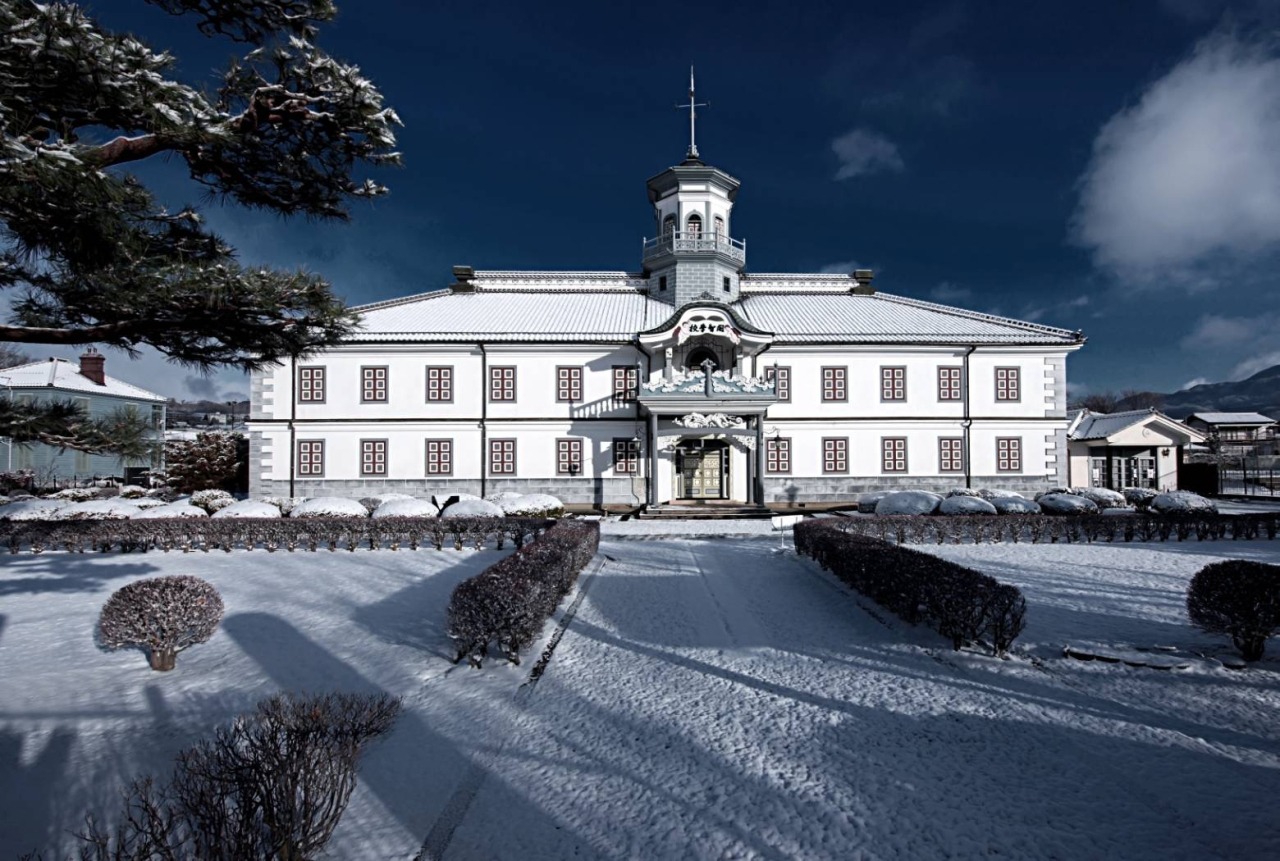
Built in 1876, the Former Kaichi School is one of Japan’s most important examples of early modern school architecture. Its design combines traditional Japanese elements with Western influences, a style often described as giyōfū, or “pseudo-Western.”
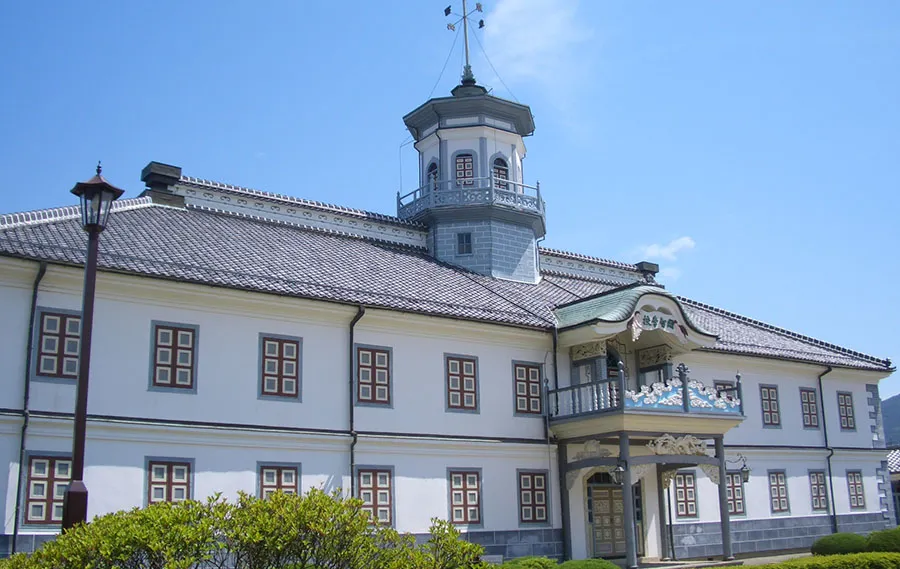
The building was designated a National Treasure in 2019.
Together with Matsumoto Castle, the old castle-town streets, and the contemporary art scene, the Former Kaichi School offers another perspective on the city—and on the different layers of Japan’s history, from traditional culture to modern education and contemporary art.
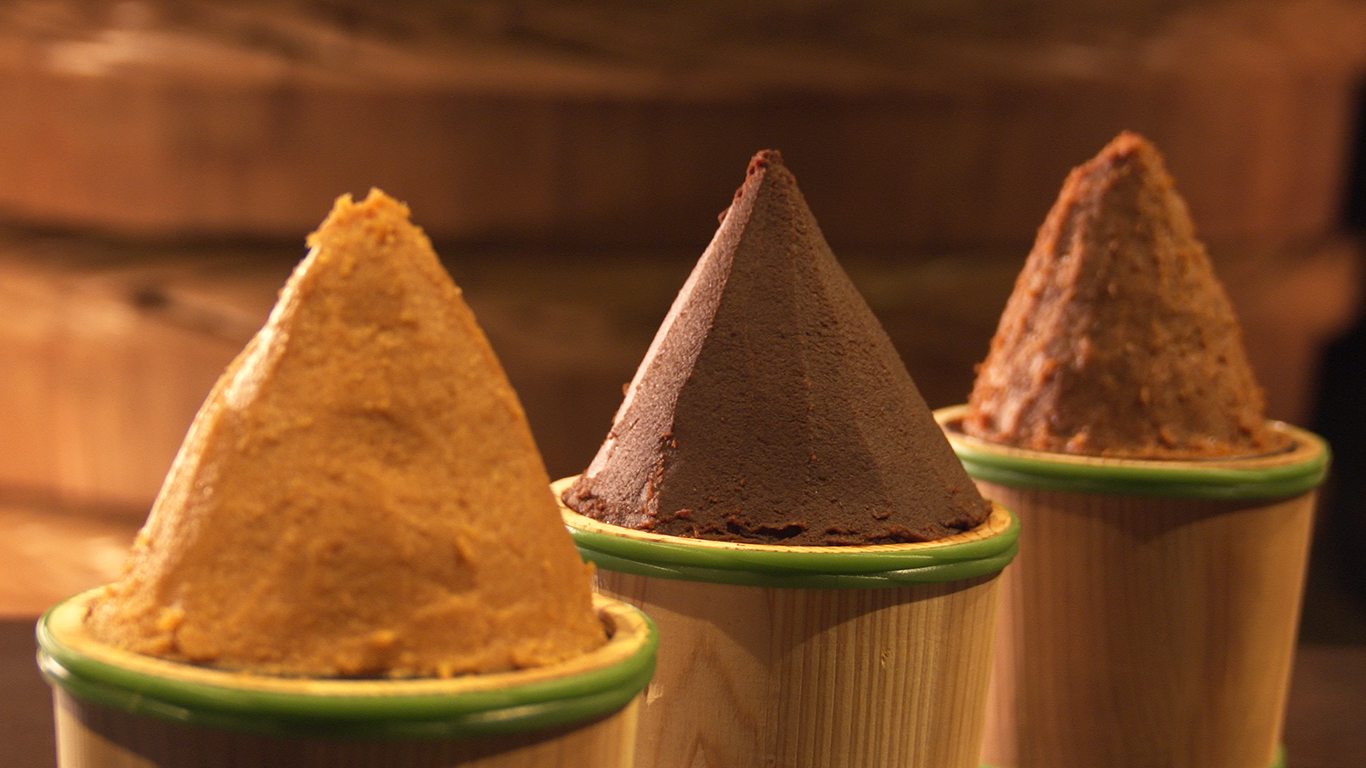
Founded in 1868, Ishii Miso is one of Matsumoto’s long-established miso breweries.
The brewery continues to use traditional cedar barrels and natural aging methods, including its signature three-year-aged miso. Visitors can learn about how miso is made and aged, then enjoy dishes that showcase its rich, deep flavor.
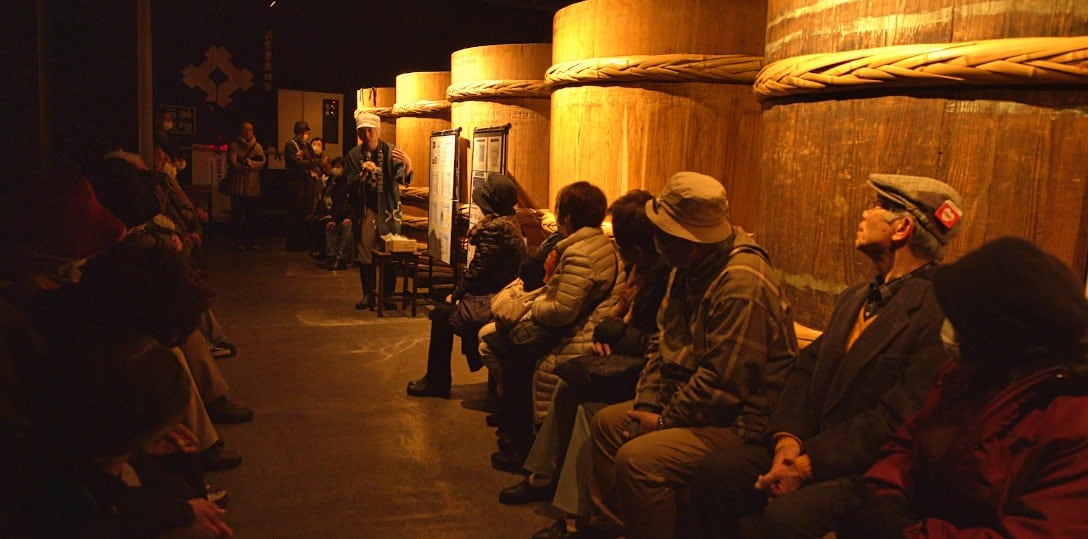
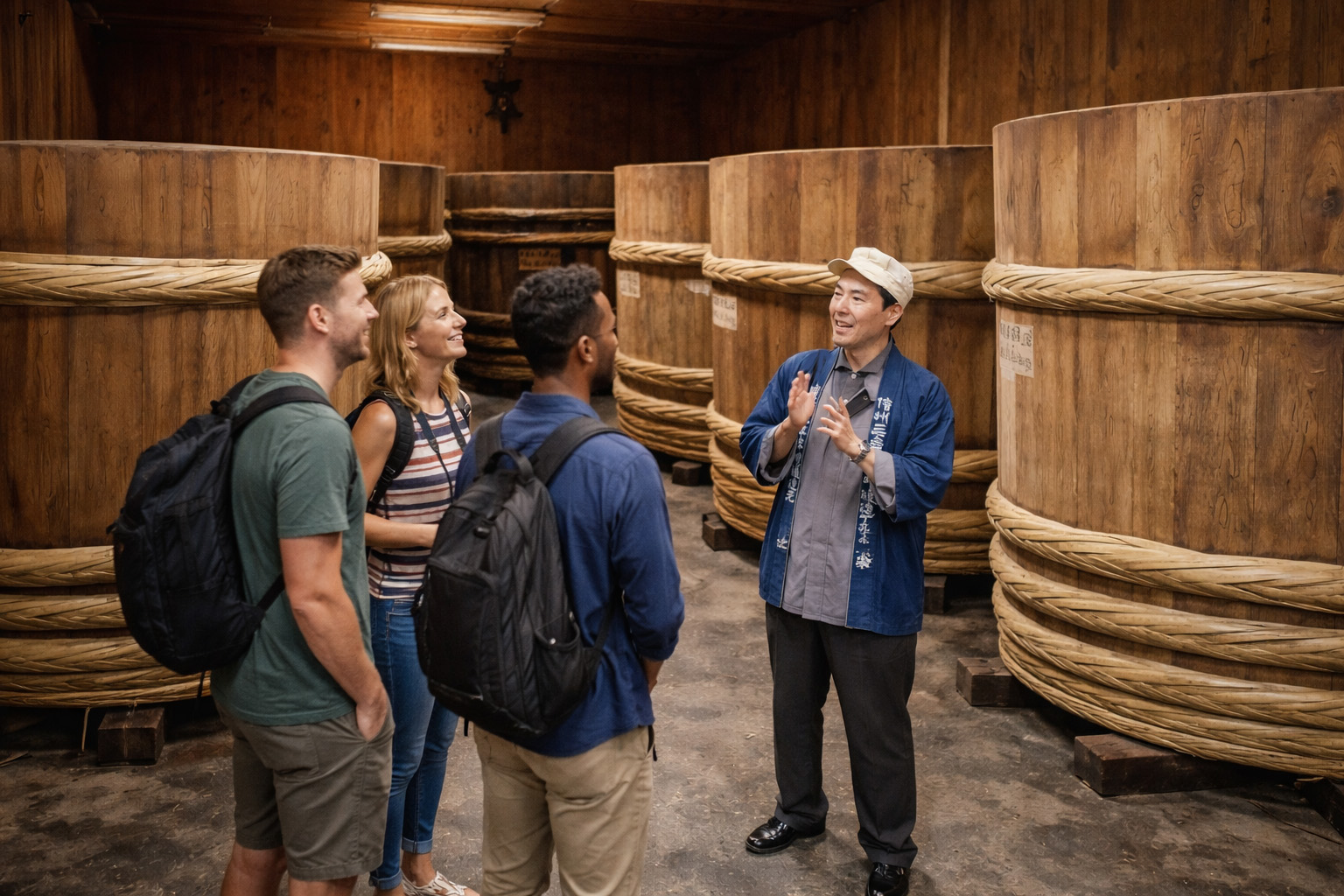
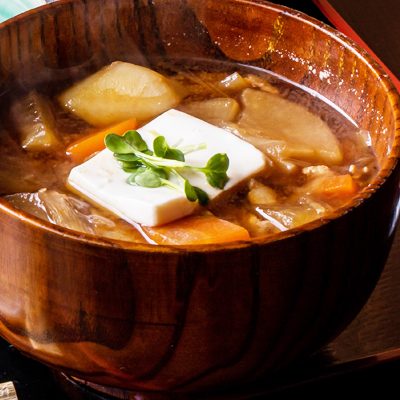
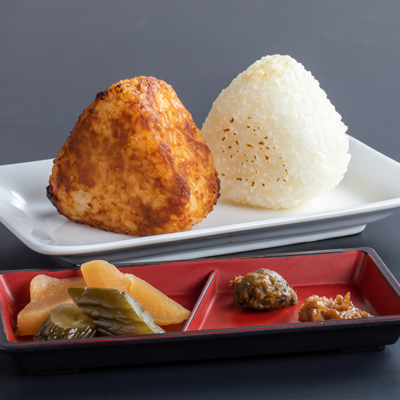
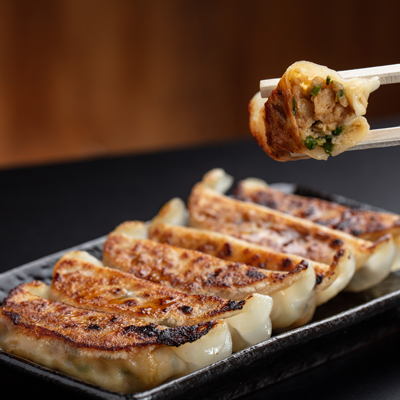
They also offer lunch sets featuring their house-made miso, as well as a more unexpected specialty: their original miso-flavored pizza. And for something a little different, try their miso ice cream.
Miso is not the only local specialty worth seeking out. The wider Shinshu region is also famous for Shinshu soba, making Matsumoto an excellent place to explore the flavors of Nagano.


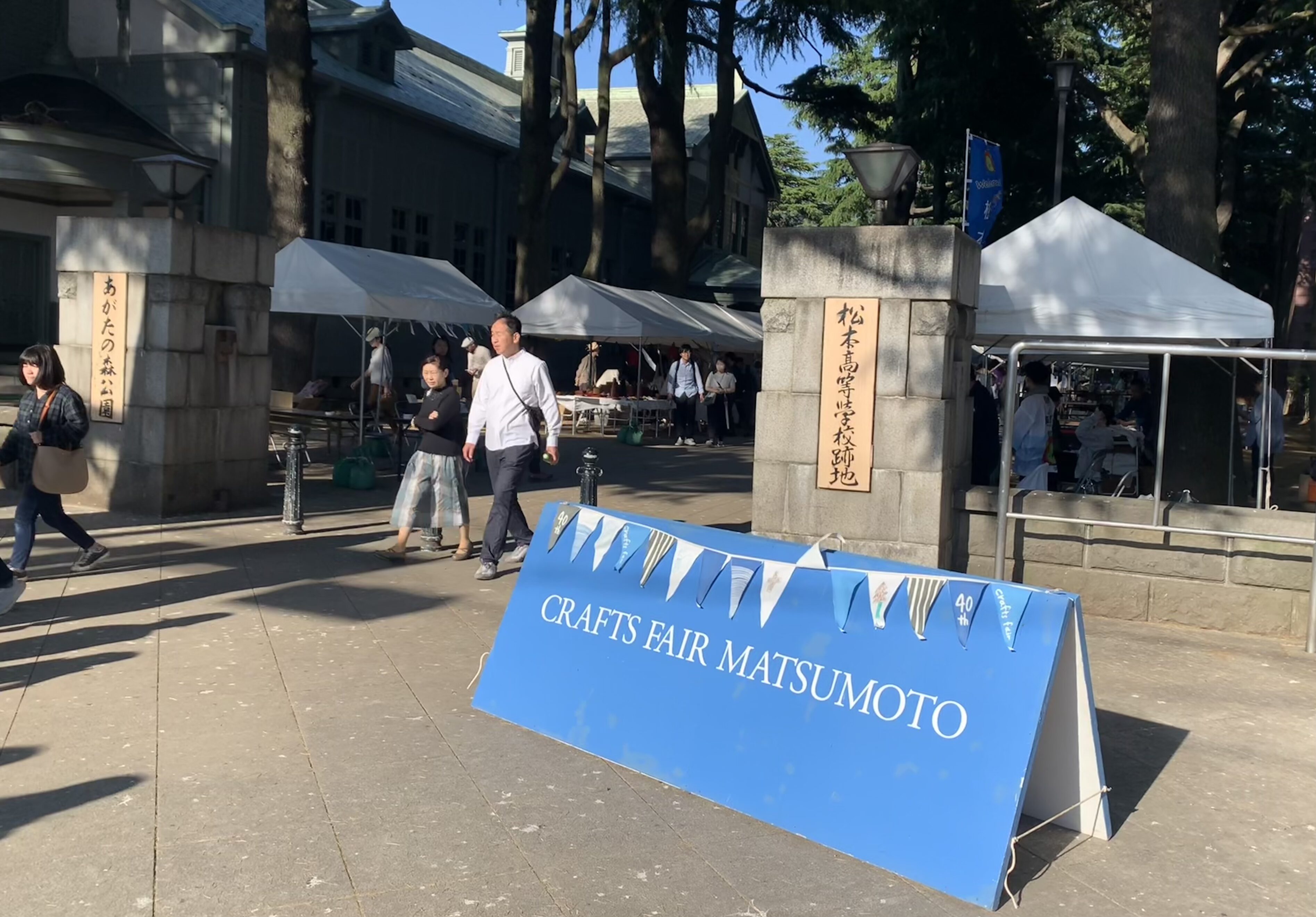
Art in Matsumoto extends well beyond its museums.
Every year in late May, Crafts Fair Matsumoto brings makers from across Japan to the city, with ceramics, woodwork, glass, metalwork, textiles, and other handmade crafts on display.
Summer brings the Seiji Ozawa Matsumoto Festival (OMF), a major classical music festival founded by the renowned conductor Seiji Ozawa.
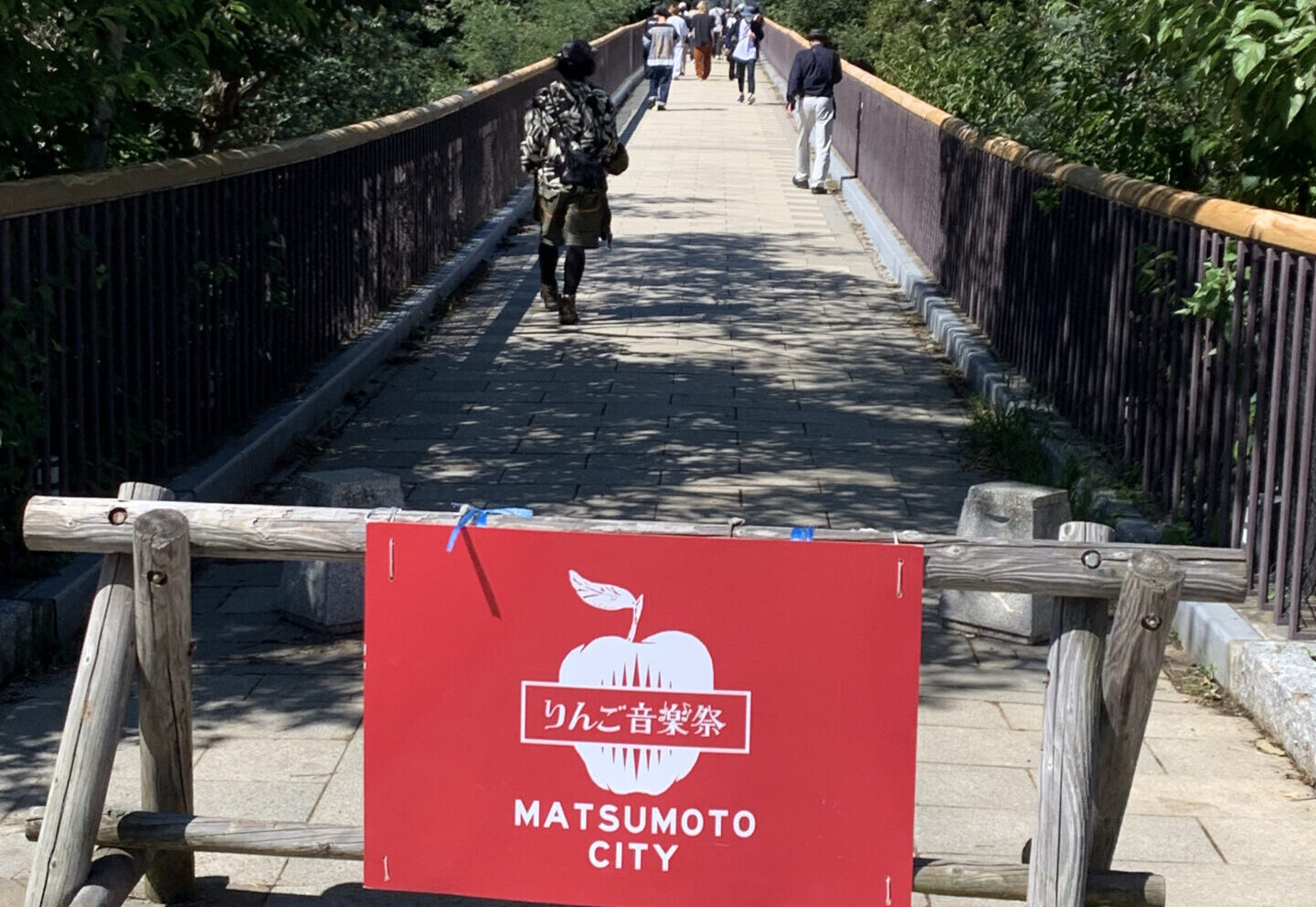
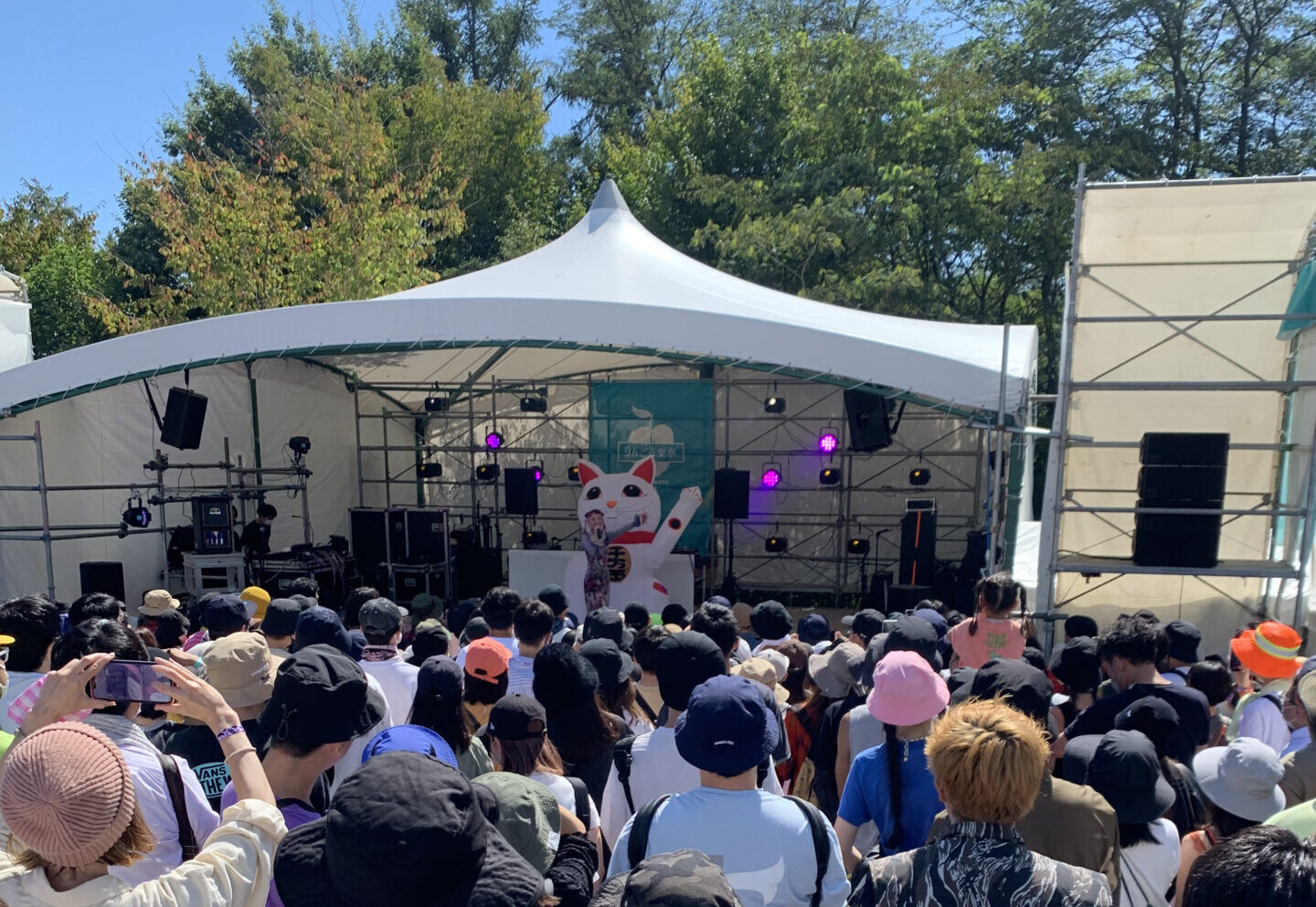
In autumn, the Ringo Music Festival brings a younger and more independent side of Japan’s music scene to Matsumoto. It’s a chance to discover Japanese artists and bands you may not hear on the mainstream charts, and get a feel for the sounds and trends shaping Japan’s local music scene.
Together, these events show that art and creativity are not simply attractions in Matsumoto—they are part of the city’s everyday culture.
If Matsumoto is a stop along the way to another destination, you can easily see the city’s highlights in a day. It’s a great way to experience its art, castle, old streets, and local flavors without having to spend too much time off your route.
If you have more time and would rather not rush, consider staying for two days. This is also a great option if you’re visiting for one of Matsumoto’s music festivals or other seasonal events. With a little more time, you can slow down and enjoy the rhythm of this small, art-filled city—and discover a side of Matsumoto that you might otherwise miss.
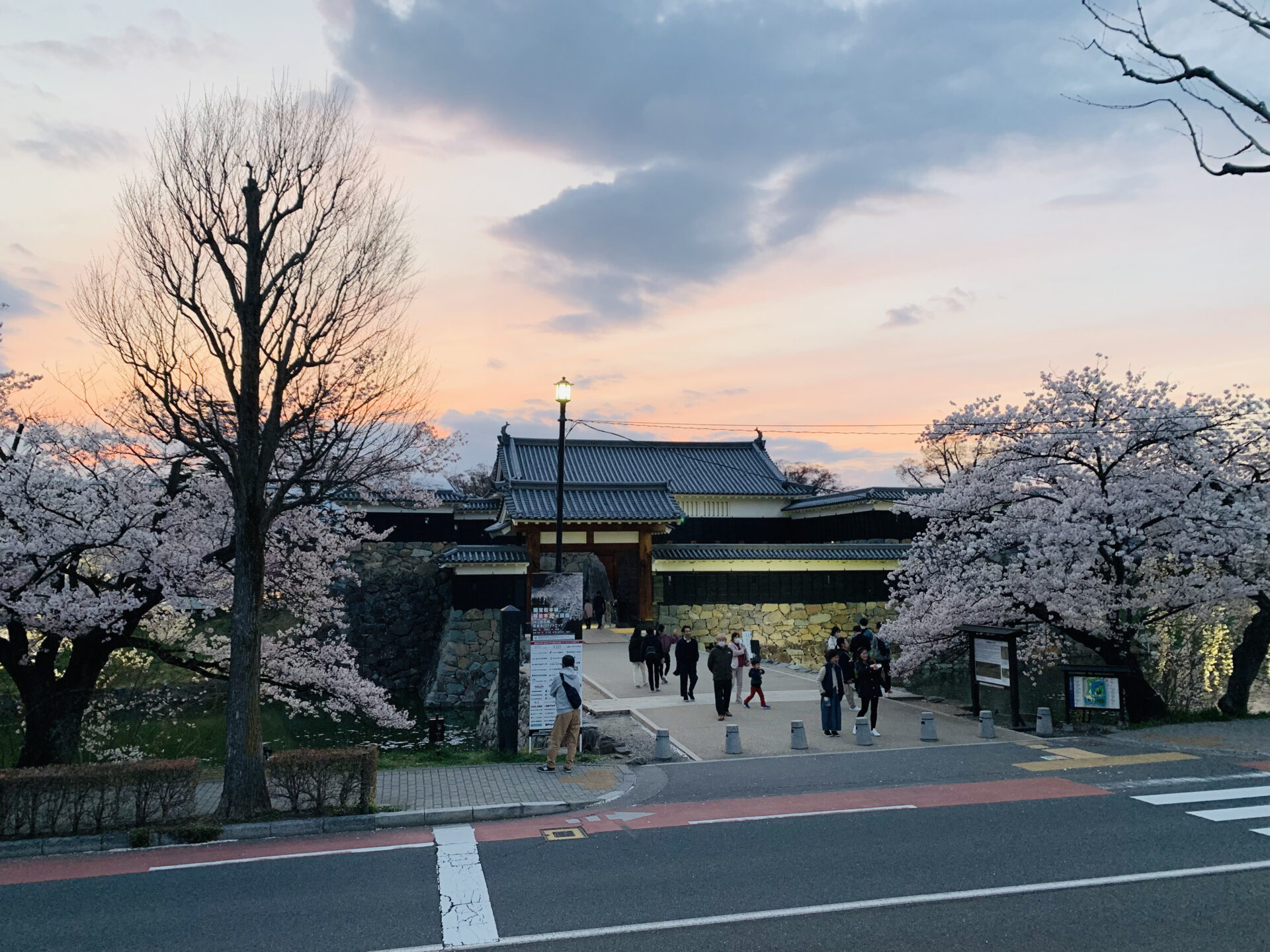
If your schedule allows, spending a night in Matsumoto is a great way to experience the city at a more relaxed pace. Where you stay can also shape the experience, so here are three options we particularly like for different kinds of trips.
For the History: Matsumoto Hotel Kagetsu
If staying close to the castle appeals to you, Matsumoto Hotel Kagetsu is a natural choice. Founded in 1887, this long-established hotel is just a five-minute walk from Matsumoto Castle. Its folk-art-inspired interiors and traditional atmosphere fit beautifully with the historic character of the city.
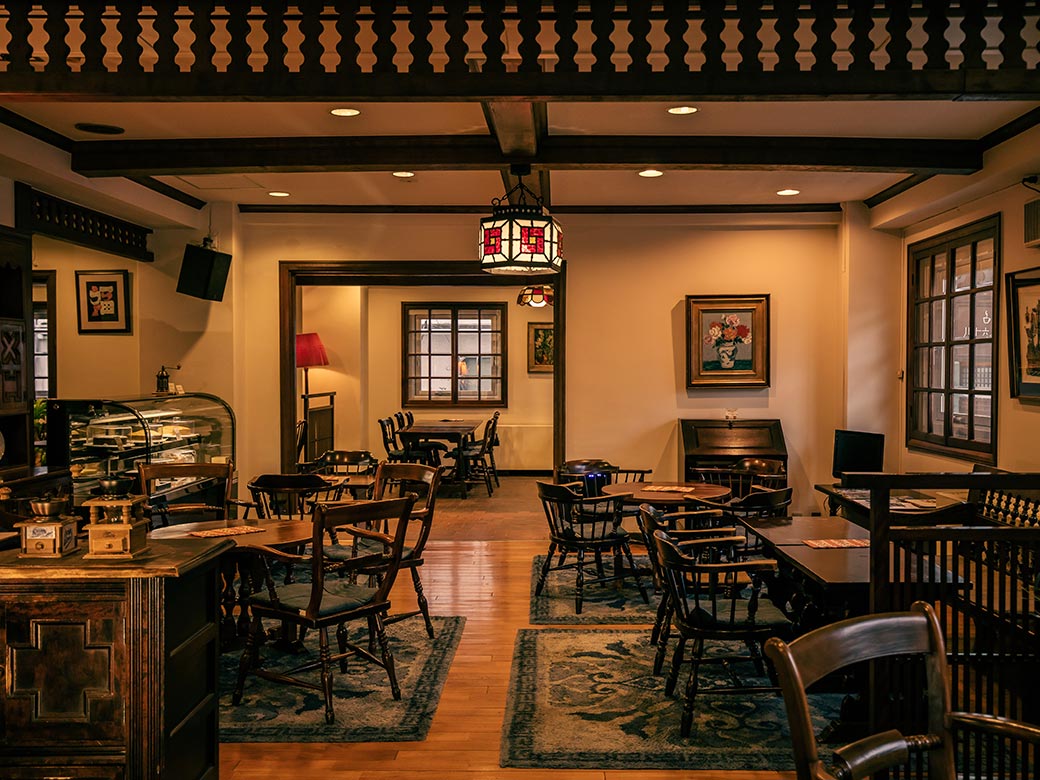
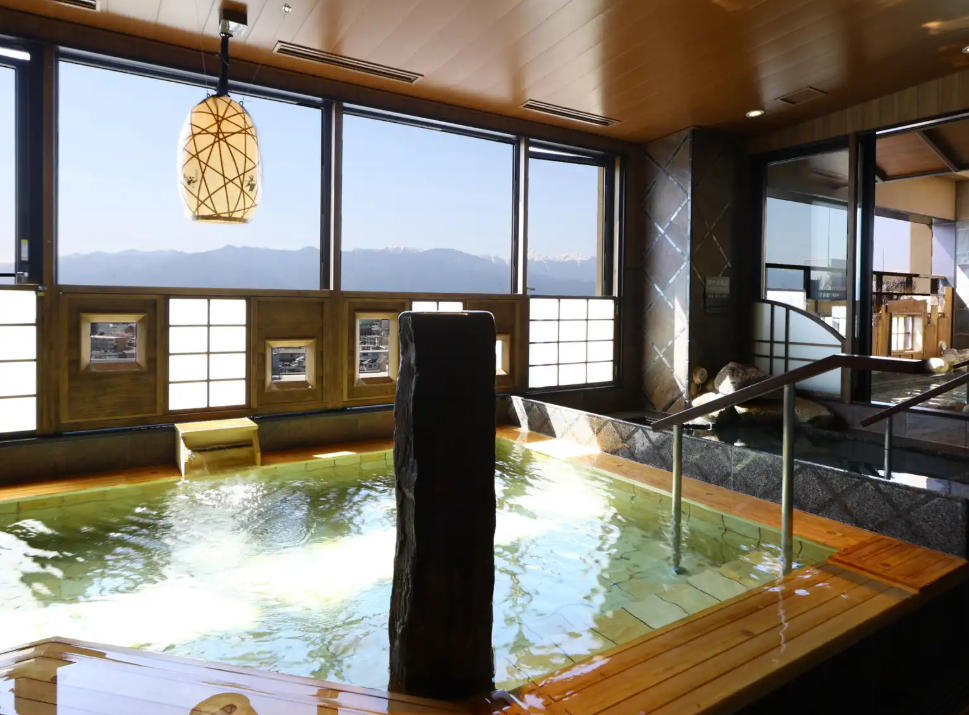
For Convenience: Onyado Nono Matsumoto
If you’re arriving by train or continuing on to another destination, Onyado Nono Matsumoto is an excellent option. Just a short walk from Matsumoto Station, it combines the convenience of a station-side hotel with a distinctly Japanese atmosphere, including a large public bath, natural hot spring water, a rotenburo (open-air bath), and a sauna. It’s an easy way to enjoy a relaxing Japanese-style stay without giving up convenience.
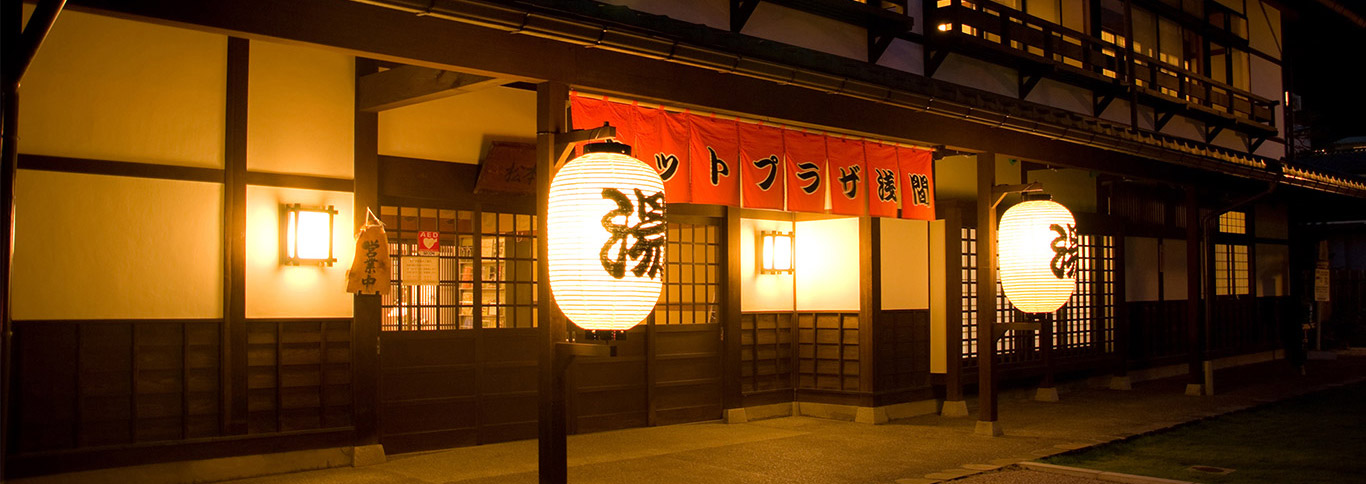
And if you’d like to add a hot spring stay…
There’s another option worth knowing about. Just about 20 minutes by bus from Matsumoto Station, you’ll find Asama Onsen, a well-known hot spring town with more than 1,300 years of history. Once favored by the lords of Matsumoto Castle, it became known locally as “Matsumoto’s Inner Sanctum” and still retains the atmosphere of a traditional Japanese onsen town.
If you have an extra night, staying at one of the traditional ryokan here is a wonderful way to experience a slower, more traditional side of Japan—while still being close to Matsumoto’s main sights.
Matsumoto may first catch your attention through Yayoi Kusama, but its appeal goes far beyond one artist. If you have the chance to pass through Matsumoto on your next trip to Japan, give this small city a little time—you’re bound to find something you love about it.
<Content & Images>
All images not owned by WaWo Japan Travel were obtained from the official website of Matsumoto.
<Author>
Fangfang Zhu
Travel Consultant at WaWo Japan Travel